




What's Happening?
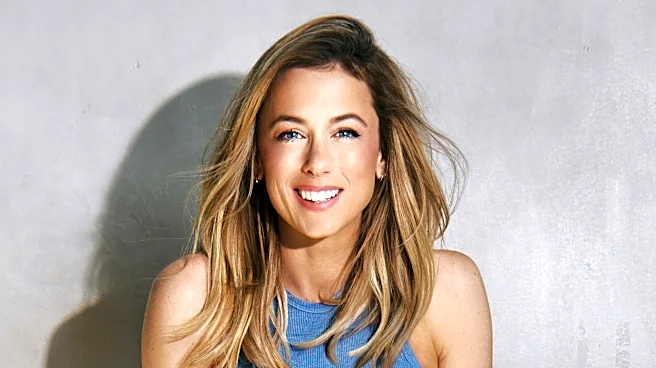
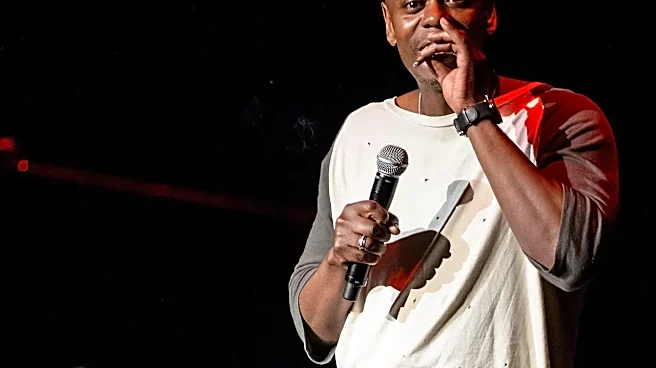
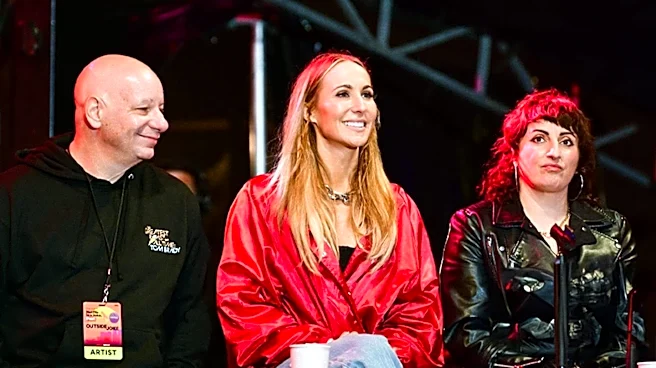
Comedian Nikki Glaser has issued an apology and committed to removing a joke from her stand-up routine following criticism from trans influencer Briel Adams-Wheatley. Adams-Wheatley was informed by a fan that Glaser had mentioned her during a show in Ridgefield,
Washington, reportedly praising her before making a joke about her transition and body. Adams-Wheatley subsequently shared this information on Instagram, questioning Glaser's comments about her personal life. Glaser responded privately, expressing regret and stating she 'never meant to hurt' Adams-Wheatley's feelings. While Glaser noted that the fan's description might not fully capture the joke, she emphasized her desire to avoid contributing to anti-trans rhetoric. She explicitly stated, 'It's a dumb joke and I will lose it immediately,' and also conveyed her admiration for Adams-Wheatley's content.
Why It's Important?
This incident highlights the evolving landscape of comedy and the increasing accountability comedians face regarding their material, particularly concerning marginalized communities. The swift apology and decision to remove the joke by a prominent comedian like Nikki Glaser demonstrate a growing awareness of the impact of humor on diverse audiences. It underscores the power of social media influencers like Briel Adams-Wheatley, who, despite being born without limbs and regularly discussing disability and online harassment, has cultivated a significant platform to advocate for herself and her community. This event could influence other comedians to be more mindful of the potential harm their jokes might cause, fostering a more inclusive environment in stand-up comedy. It also reflects a broader societal shift towards greater sensitivity and respect for individual identities, particularly within the LGBTQ+ community.
What's Next?
Following her public apology and commitment to remove the joke, Nikki Glaser will likely continue with her scheduled stand-up and television appearances, including her recent involvement in a Sunday Night Football promo. The removal of the specific joke from her act is an immediate consequence. Briel Adams-Wheatley, who thanked her followers for their support and is still processing the situation, will likely continue to use her social media platform to share lifestyle content, makeup tutorials, and discussions on disability and online harassment. This incident may lead to further discussions within the comedy community about the boundaries of humor and the responsibility of comedians, potentially influencing future material and audience interactions. Other influencers and public figures might also take note of the swift resolution and its implications for addressing similar issues.
Beyond the Headlines
This situation delves into the complex ethical considerations surrounding humor and identity. While comedy often pushes boundaries, the line between edgy and offensive is increasingly scrutinized, especially when it targets vulnerable groups. Glaser's decision to remove the joke, rather than defend it, suggests a recognition of the potential for her words to contribute to harmful narratives, regardless of intent. This incident also highlights the growing influence of social media and individual voices in shaping public discourse and holding public figures accountable. It underscores a cultural shift where the impact of content on marginalized communities is given greater weight, prompting a re-evaluation of what constitutes acceptable humor in a diverse society. The interaction between a mainstream comedian and a trans influencer also exemplifies the ongoing dialogue and sometimes tension between different cultural spheres.