



What's Happening?
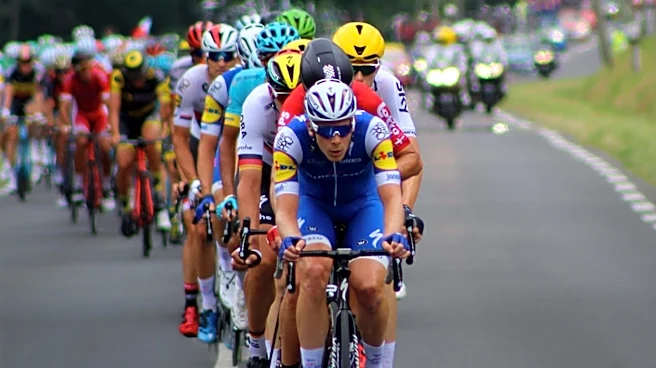
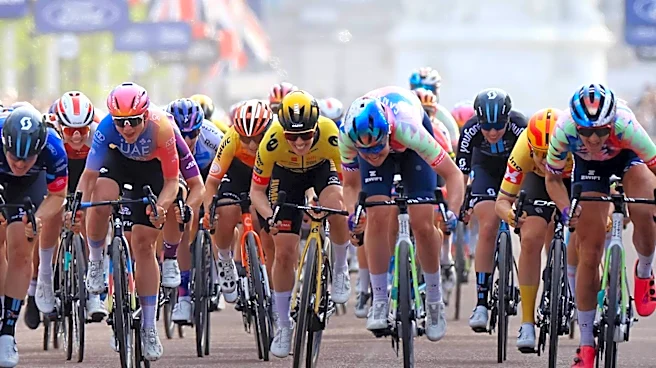
The Tour de France Femmes, now in its fifth year, has become a must-watch event, captivating audiences with its thrilling stages and competitive spirit. This year's race saw the leader's jersey change hands five times over nine days, with Demi Vollering
ultimately securing victory. The event has been praised for its engaging narrative and the emergence of rivalries, such as the one between Vollering and Kasia Niewiadoma-Phinney. Despite calls for a longer or tougher race, many believe the current format is nearly perfect, attracting a new audience to the sport.
Why It's Important?
The growing popularity of the Tour de France Femmes highlights the increasing visibility and recognition of women's cycling. This event not only provides a platform for female athletes to showcase their talents but also helps to inspire a new generation of cyclists. The race's success could lead to more investment and support for women's sports, promoting gender equality in athletics. Additionally, the event's ability to draw in new fans suggests a broader interest in cycling, which could have positive implications for the sport's growth and development.
What's Next?
Looking ahead, the Tour de France Femmes is set to start in Leeds in 2027, with three stages on home soil, making it more accessible to fans in England. The event's continued success may encourage organizers to explore further innovations and expansions, potentially increasing the race's duration or introducing new challenges. As the race gains momentum, stakeholders in the cycling community, including sponsors and media, are likely to increase their support, further elevating the profile of women's cycling.