








What's Happening?
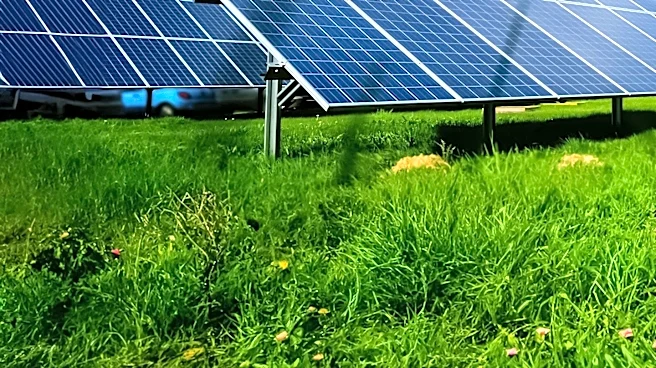
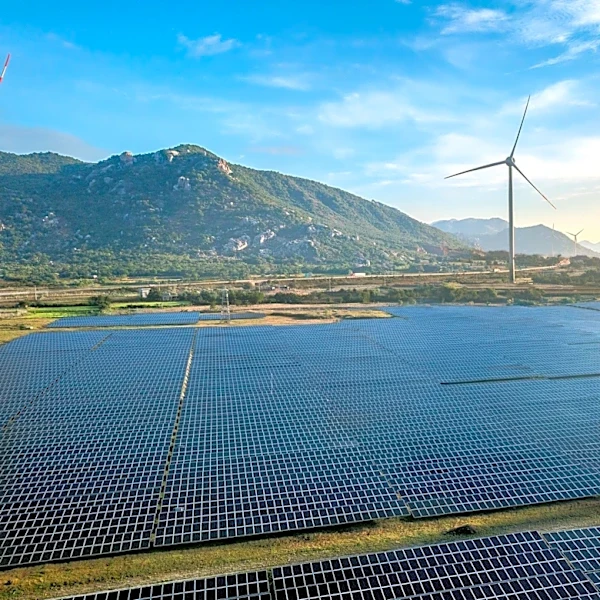
Tata Motors Limited has entered into a Power Purchase Agreement with Welspun Renewable Energy Private Limited to develop an 86 MW wind-solar hybrid project. This initiative aims to supply clean electricity to Tata Motors' commercial vehicle manufacturing
facilities across four Indian states: Jharkhand, Uttar Pradesh, Uttarakhand, and Karnataka. The project is expected to generate approximately 200 million units of clean electricity annually, offsetting over 1.4 lakh tonnes of CO2 emissions each year. This move is part of Tata Motors' broader strategy to increase the share of renewable energy in its operations, contributing to its RE100 target of sourcing 100% of its electricity from renewable sources by 2030.
Why It's Important?
The partnership between Tata Motors and Welspun Renewable Energy is significant as it represents a shift towards sustainable manufacturing practices within the automotive industry. By integrating renewable energy into its manufacturing processes, Tata Motors is reducing its carbon footprint and aligning with global sustainability goals. This project not only supports Tata Motors' sustainability roadmap but also sets a precedent for other manufacturers to follow suit. As the automotive industry faces increasing pressure to lower lifecycle emissions, such initiatives are crucial for achieving long-term environmental goals. The project also highlights the growing importance of hybrid renewable energy solutions, which offer more reliable and balanced power supply by combining wind and solar energy.
What's Next?
The successful implementation of this project could encourage other large-scale manufacturers to adopt similar renewable energy strategies. As Tata Motors continues to focus on sustainability, it may explore additional renewable energy projects to further reduce its environmental impact. The collaboration with Welspun Renewable Energy could also pave the way for future partnerships aimed at enhancing clean energy infrastructure in India. Additionally, the project may influence policy discussions around renewable energy adoption in the industrial sector, potentially leading to supportive regulatory frameworks that facilitate such initiatives.