




What's Happening?
A significant shift in consumer eating habits is underway, with traditional meal boundaries becoming increasingly fluid. According to new data from Circana, 13% of consumers now replace main meals with snacks, and 70% snack spontaneously, reflecting a move
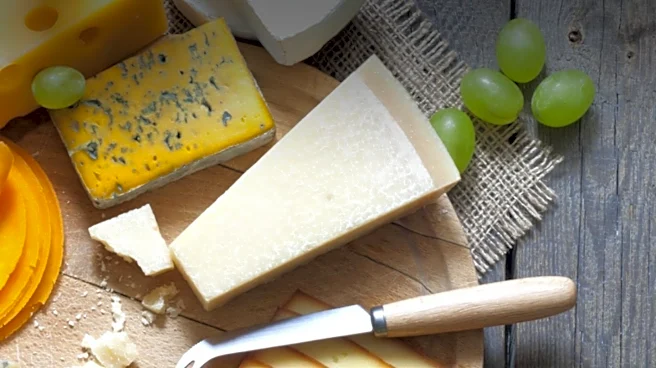
towards more flexible eating patterns. This trend, known as 'snackification,' is driven by lifestyle changes such as flexible working patterns and a demand for convenient, high-protein foods. As a result, consumers are opting for smaller, more frequent eating occasions throughout the day, often choosing snacks that offer nutrition and convenience. This evolution is not only changing when people eat but also what they consider a snack, leading to the rise of a 'Snack Universe' where products like yogurt, cheese, and ready-to-eat meals blur the lines between traditional snacks and meals.
Why It's Important?
The shift towards snacking over traditional meals has significant implications for the food and beverage industry. Brands and retailers must adapt to these changing consumer preferences by developing products that cater to more fragmented eating habits. This trend presents opportunities for growth in categories such as high-protein, functional, and ready-to-eat foods. Companies that can successfully navigate this shift by focusing on the occasions, needs, and motivations driving consumption will be better positioned for success. Additionally, this change in eating habits reflects broader societal shifts towards convenience and flexibility, impacting how food is marketed and consumed.