


What's Happening?
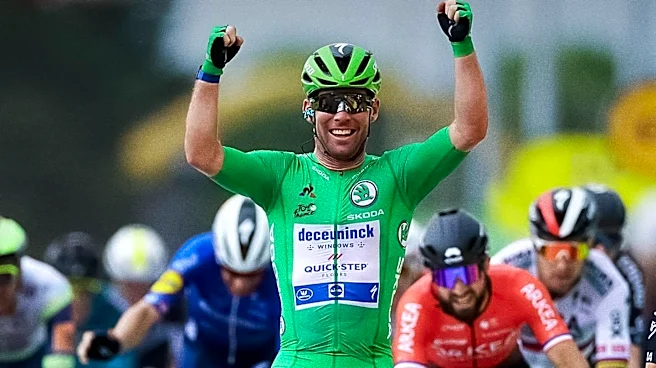
The Vuelta a España features four distinctive leader jerseys that symbolize different competitions within the race: the red jersey for the general classification leader, the green jersey for the points leader, the white jersey with blue polka dots for the King
of the Mountains, and the white jersey for the best young rider. These jerseys not only represent the leaders in each category but also carry significant symbolic value, influencing team strategies and race dynamics. The jerseys help spectators easily identify key riders and understand the multiple layers of competition within the Vuelta.
Why It's Important?
The jerseys are crucial for understanding the strategic complexity of the Vuelta. Each jersey represents a different aspect of racing excellence, from overall time to sprinting prowess and climbing ability. This multi-layered competition adds depth to the race, as teams and riders must balance their efforts across various stages to compete for these honors. The jerseys also enhance the race's narrative, providing clear goals for teams and riders and creating engaging storylines for fans. Understanding the significance of each jersey helps viewers appreciate the tactical decisions made by teams throughout the race.
Beyond the Headlines
The Vuelta jerseys highlight the importance of versatility and endurance in professional cycling. Winning a jersey requires not only physical ability but also strategic acumen and team support. The competition for these jerseys can influence race tactics, as teams may prioritize certain stages or strategies to secure a jersey. Additionally, the jerseys serve as a marketing tool, increasing visibility for sponsors and enhancing the prestige of the race. The symbolic value of the jerseys extends beyond the race, as they become part of a rider's legacy and contribute to the cultural heritage of cycling.