



What's Happening?
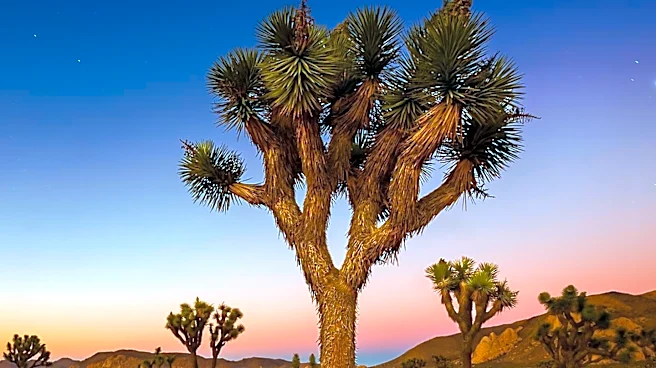
Joshua Tree National Park, located in southeastern California, is a popular destination for hikers, campers, and rock climbers. The park is known for its striking rock formations and varied terrain, offering scenic drives and diverse environments. Visitors
are advised to prepare adequately for the park's conditions, which can range from very hot summers to colder winters with occasional snow. Key recommendations for a successful visit include bringing more water than seems necessary, especially in desert conditions, and ensuring proper sun protection. Hikers should avoid exposed trails during the hottest parts of the day and start early to manage the heat. Additionally, broken-in footwear is crucial to prevent blisters, and offline maps are recommended due to unreliable cell service in the park.
Why It's Important?
Proper preparation is crucial for safety and enjoyment in national parks like Joshua Tree. The park's desert environment can pose significant challenges, such as dehydration and sun exposure, which can lead to serious health risks if not managed properly. By following recommended packing tips, visitors can mitigate these risks and enhance their experience. The emphasis on hydration, sun protection, and navigation tools highlights the importance of being well-prepared for outdoor activities. This approach not only ensures personal safety but also preserves the natural environment by reducing the need for emergency interventions.
What's Next?
Visitors planning trips to Joshua Tree National Park should continue to prioritize safety by staying informed about weather conditions and park regulations. As the park remains a popular destination, ongoing education about responsible park usage and environmental conservation will be essential. Future developments may include enhanced visitor resources, such as improved signage and educational programs, to further support safe and sustainable park experiences.
Beyond the Headlines
The emphasis on preparation for visits to Joshua Tree National Park reflects broader trends in outdoor recreation, where safety and environmental stewardship are increasingly prioritized. This shift is part of a larger cultural movement towards sustainable tourism, which seeks to balance human enjoyment with the preservation of natural landscapes. As more people seek outdoor experiences, the role of education in promoting responsible behavior becomes ever more critical.