





What's Happening?
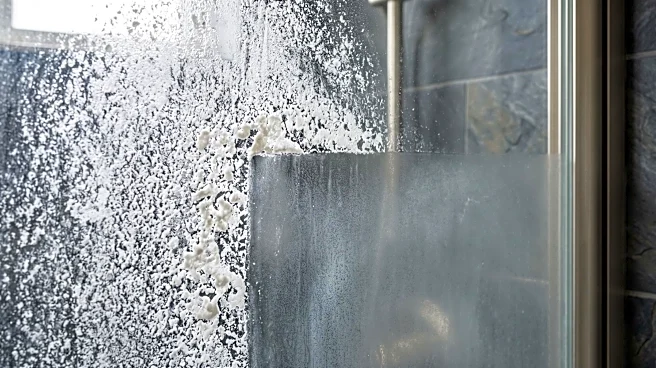
Homeowners frequently encounter cloudy shower glass, which can stem from two distinct issues: hard water mineral deposits or actual etching of the glass surface. Hard water contains minerals like calcium and magnesium, which, upon drying, leave behind
white spots, cloudy streaks, or a chalky film on the glass. These deposits often accumulate in areas where water splashes and dries repeatedly, such as shower doors. Over time, these mineral buildups can become stubborn and difficult to remove. In contrast, etched glass involves damage to the glass surface itself, appearing as a dull, hazy area that remains cloudy even after cleaning. This permanent damage can result from years of exposure to moisture, mineral buildup, and certain cleaning products. Distinguishing between these two conditions is crucial for effective treatment. A simple test involves feeling the glass; a rough or gritty texture indicates mineral buildup, while etched glass feels smooth but remains cloudy. Cleaning a small test area with mild soap and then a hard water stain remover can help determine if the cloudiness is due to removable deposits or permanent etching. If cleaning efforts fail, professional glass services may be required to assess whether the glass needs restoration or replacement.
Why It's Important?
The distinction between hard water deposits and etched glass has significant implications for homeowners, impacting both maintenance costs and property value. Misidentifying etched glass as mere hard water stains can lead to wasted effort and money on ineffective cleaning products, while neglecting actual etching can diminish the aesthetic appeal and perceived value of a home. For residents in areas with hard water, understanding this difference is key to proactive maintenance and preventing permanent damage. The need for professional assessment highlights a specialized service market, where experts can offer solutions ranging from deep cleaning and restoration to full glass replacement. This issue also underscores the broader impact of water quality on household infrastructure and the importance of preventative measures, such as using a squeegee after showering or considering water treatment systems. Ultimately, addressing this problem effectively can save homeowners time, money, and maintain the visual integrity of their bathrooms.
What's Next?
Homeowners facing cloudy shower glass should first attempt a thorough cleaning of a small test area using appropriate products to determine the nature of the problem. If the cloudiness persists, consulting a local glass professional is the next logical step. These professionals can accurately diagnose whether the glass is merely stained or permanently etched and recommend the most cost-effective solution, which could range from specialized restoration techniques to full replacement of the shower panels. To prevent future issues, homeowners in hard water areas are advised to adopt preventative habits, such as using a shower squeegee after each use and regularly cleaning with approved products. Additionally, considering a home water test and potentially installing a water treatment system could mitigate the long-term effects of hard water on various household surfaces, not just shower glass. The market for specialized cleaning products and professional glass services is likely to continue growing as awareness of hard water damage increases.
Beyond the Headlines
The issue of hard water damage to shower glass extends beyond a simple household chore, touching upon broader themes of consumer awareness, product efficacy, and environmental factors. The prevalence of hard water in many regions means this is a widespread problem, influencing consumer choices in cleaning products and home appliances. It also highlights the importance of understanding material science in everyday contexts—how minerals interact with glass surfaces over time. Ethically, manufacturers of cleaning products and glass installations face the challenge of educating consumers about realistic expectations for product performance against persistent environmental factors like hard water. The decision between cleaning, restoring, or replacing etched glass also brings into focus sustainability considerations, as replacement contributes to waste, while restoration offers a more environmentally friendly alternative. This seemingly minor household issue thus reflects complex interactions between consumer behavior, industrial solutions, and environmental conditions.