





What's Happening?
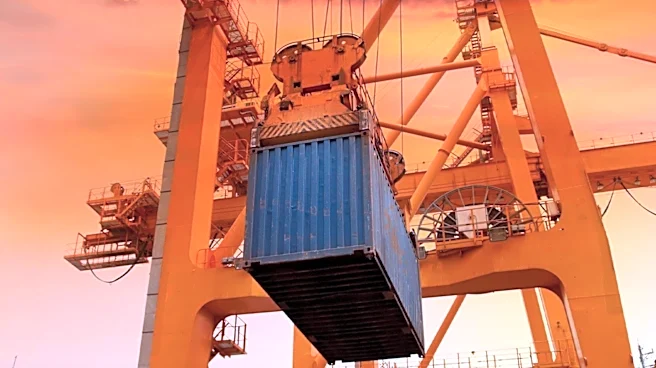
PT Perkebunan Nusantara IV (PTPN IV PalmCo) is actively pursuing strategies to expand its direct crude palm oil (CPO) exports and reduce production costs. This initiative is aimed at achieving the company's financial and operational targets for 2026.
During its fourth-quarter leadership meeting, key priorities were identified, including increasing direct CPO exports, enhancing cost efficiency, and implementing precise plantation management. President Director Jatmiko K. Santosa emphasized the importance of closely monitoring production across all operations and implementing structured efficiency measures to maintain cost competitiveness and profitability. The company has already expanded its market access through direct exports, with success contingent on production oversight, reliable supply, and stringent quality control throughout the supply chain, from processing plants to logistics. Additionally, PalmCo is reducing cash costs through its 'Go Lean' and 'Go Secure' initiatives to safeguard profit margins and strengthen its financial standing.
Why It's Important?
This strategic shift by PTPN IV PalmCo to boost direct CPO exports and cut costs has significant implications for the global palm oil market and Indonesia's economic landscape. By increasing direct exports, the company aims to enhance its market presence and potentially secure better pricing, which could lead to increased revenue and profitability. The focus on cost efficiency, through initiatives like 'Go Lean' and 'Go Secure,' is crucial for maintaining competitiveness in a volatile commodity market. Improved financial health for a major producer like PTPN IV PalmCo can contribute to the stability of Indonesia's agricultural sector, a key component of its economy. Furthermore, the emphasis on disciplined asset management and maximizing value from green business initiatives, such as methane capture and increased sales of palm kernel shells, reflects a broader industry trend towards sustainability and resource optimization. This could set a precedent for other players in the palm oil industry, influencing supply chain practices and environmental considerations.
What's Next?
In the coming months, PTPN IV PalmCo will intensify its efforts to monitor production and implement efficiency measures across its operations. The company plans to continue expanding its direct export market access, which will require sustained focus on production oversight, supply reliability, and quality control. Further development of its 'Go Lean' and 'Go Secure' initiatives is expected to drive down cash costs and bolster profit margins. Beyond core operations, PalmCo will prioritize securing physical control and completing legal documentation for all its assets to mitigate operational risks. The company also intends to further increase value from palm oil waste through methane capture facilities and higher sales of palm kernel shells. The industry as a whole, as noted by PalmCo President Commissioner Desrial, is moving towards judging companies by productivity per hectare and cost allocation, rather than just landholdings, suggesting a future where smart plantation systems integrating field mechanization with corporate digital platforms will become increasingly vital.
Beyond the Headlines
The strategic moves by PTPN IV PalmCo extend beyond immediate financial gains, touching upon broader themes of sustainability, technological integration, and global trade dynamics. The company's commitment to maximizing value from palm oil waste through methane capture facilities and increased sales of palm kernel shells highlights a growing industry awareness of environmental responsibility and circular economy principles. This approach not only contributes to reducing the environmental footprint but also creates new revenue streams from by-products. The emphasis on 'smart plantation systems' that integrate field mechanization with digital platforms signals a significant technological shift within the agricultural sector. This digital transformation can lead to enhanced efficiency, better resource management, and improved traceability throughout the supply chain. Such advancements could set new industry standards, influencing how palm oil is produced and traded globally, and potentially addressing long-standing concerns about sustainability and labor practices in the sector.