





What's Happening?
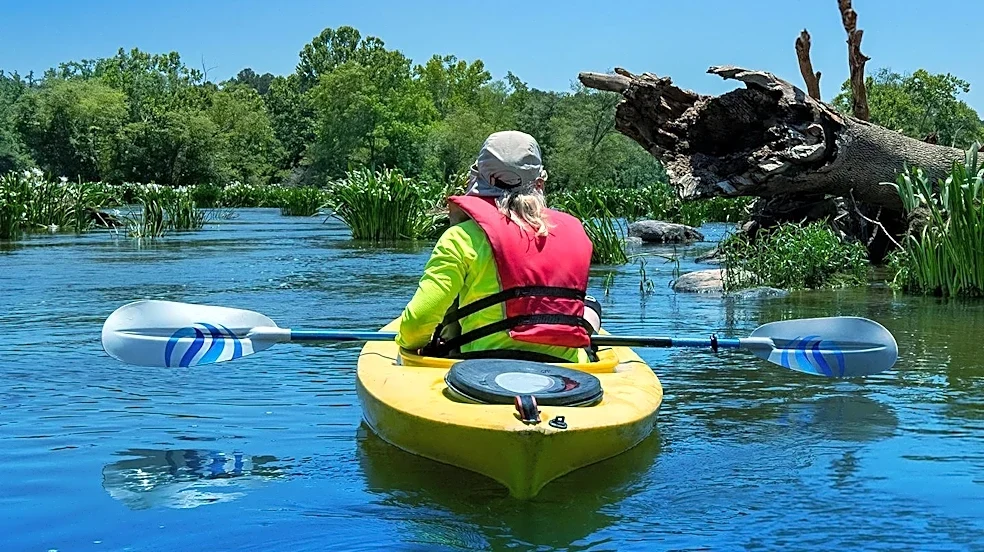
River kayak fishing offers an opportunity for anglers to explore waterways and access fishing spots beyond typical boat ramps. However, the dynamic nature of river currents necessitates specific preparations and equipment. Key considerations include ensuring
personal safety by always wearing a personal flotation device (PFD) and checking river conditions for potential hazards like rapids or storms. Scouting the route for dams, currents, and obstacles is crucial, as is having a communication device and leaving a float plan with a trusted friend. Equipment-wise, a sturdy, maneuverable kayak, preferably a sit-on-top model between 10-12 feet for agility, is recommended. Anglers should secure their paddle, plan fishing tackle efficiently to maximize space and prevent loss, and ensure they possess the necessary licenses and registrations. Organizing gear to be accessible yet secure, with a focus on 'rigging to flip' in case of capsize, is also advised. The article emphasizes that while pedal kayaks and trolling motors offer hands-free control, a spare paddle is essential as a backup.
Why It's Important?
The detailed guidance on river kayak fishing is important for promoting safety and enhancing the experience of a growing recreational activity. By highlighting the necessity of PFDs, pre-trip condition checks, and route scouting, the information aims to reduce accidents and ensure the well-being of participants. The emphasis on appropriate kayak selection, such as maneuverable sit-on-top models, and efficient gear organization directly impacts the effectiveness and enjoyment of fishing. This is particularly relevant for the U.S. outdoor recreation industry, as safe and well-prepared participants are more likely to continue engaging in such activities, contributing to the sales of kayaks, fishing gear, and related services. Furthermore, the advice on respecting the river through responsible practices like catch-and-release and proper waste disposal underscores the importance of environmental stewardship within the recreational community, helping to preserve natural resources for future generations and supporting sustainable tourism.
What's Next?
Anglers planning to engage in river kayak fishing should prioritize building their moving-water kayaking skills before attempting to fish. This involves practicing boat control and understanding how currents affect kayak positioning. Before each trip, individuals should research launch and landing access points, their intended route, and potential fishing spots. They must also arrange trip logistics, especially if planning to float downstream and be picked up at a different location. When on the water, maintaining awareness of the kayak's position and prioritizing boat control over finishing a cast or landing a fish is critical to avoid hazards. The article also advises against anchoring in strong currents due to instability risks. Continued adherence to local regulations, licenses, and permits, along with ethical behaviors such as preventing invasive species spread and respecting wildlife, will be ongoing responsibilities for river kayak fishers.
Beyond the Headlines
The rise in popularity of specialized recreational activities like river kayak fishing reflects a broader societal trend towards experiential tourism and outdoor engagement. This trend has implications for local economies, particularly in areas with accessible waterways, as it drives demand for specialized equipment, guided tours, and related hospitality services. The detailed safety protocols and environmental considerations outlined in the article also highlight an increasing awareness and expectation for responsible recreation. This extends beyond individual safety to encompass ecological impact, suggesting a growing integration of conservation principles into leisure activities. The emphasis on skill-building and preparation also points to a cultural shift where participants seek not just passive enjoyment but active mastery and deeper engagement with their chosen pursuits, fostering a more informed and responsible community of outdoor enthusiasts.