

What's Happening?
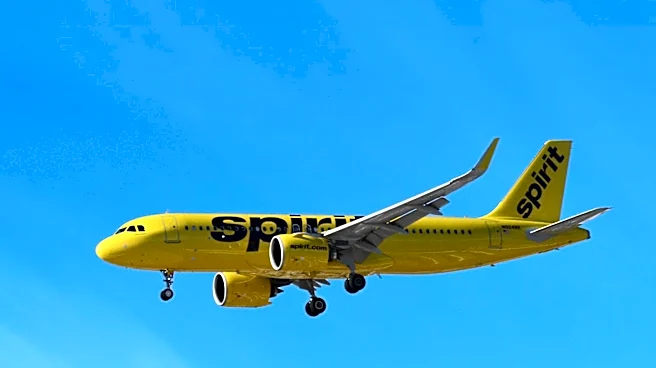
Spirit Airlines received high marks in WalletHub's 2025 safest-airline scoring and has been awarded the FAA Aviation Maintenance Technician Diamond Award of Excellence multiple times between 2019 and 2024. This recognition highlights the airline's commitment
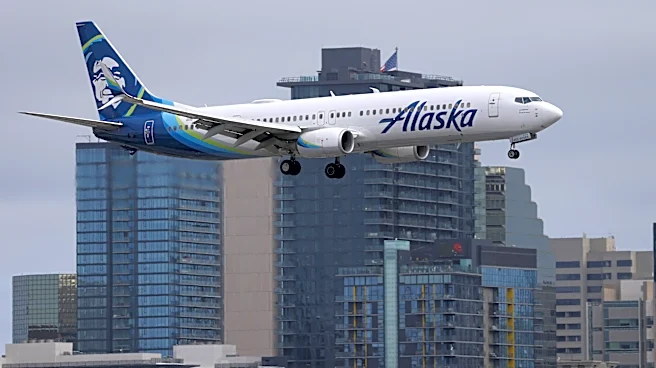
to safety and maintenance, despite being a budget carrier. All major U.S. airlines, including low-cost options like Spirit, are required to meet the same Federal Aviation Administration (FAA) safety standards as legacy carriers. The differences between airlines often lie in price and onboard comfort, rather than fundamental safety requirements. WalletHub's 2025 and 2026 safety scores consistently place Spirit Airlines, Alaska Airlines, and Hawaiian Airlines among the safest in the U.S., though the margins between carriers are narrow. The evaluation of airline safety considers various factors, including incident rates, safety culture, fleet age, and regulatory compliance, rather than solely focusing on crash risk.
Why It's Important?
This recognition is important because it challenges the common perception that budget airlines might compromise on safety due to their lower fares. By demonstrating strong safety records and receiving awards for maintenance excellence, Spirit Airlines reinforces that all U.S. airlines operate under stringent FAA regulations, ensuring a high baseline of safety across the industry. This can influence consumer confidence, potentially encouraging more travelers to consider low-cost carriers for their travel needs. For the airline industry, it underscores the effectiveness of regulatory oversight and the importance of robust maintenance programs. It also highlights that fleet age, while a factor, does not solely determine safety when rigorous maintenance practices are in place. This information is crucial for travelers making informed decisions, emphasizing that safety should be evaluated based on data and regulatory compliance rather than brand perception or ticket price.
What's Next?
The continued high safety rankings for Spirit Airlines and other carriers suggest that the FAA's regulatory framework and the airlines' operational practices are effectively maintaining a strong safety record across the U.S. airline industry. Travelers can expect that future safety evaluations will continue to emphasize data-driven metrics, incident rates, and maintenance records. Airlines, both budget and legacy, will likely continue to invest in advanced safety technologies, pilot training, and robust maintenance programs to uphold these standards. Regulatory bodies like the FAA will maintain their oversight, conducting inspections and investigations to ensure compliance. This ongoing commitment to safety will likely reinforce public trust in air travel, potentially leading to sustained growth in passenger numbers for all carriers that demonstrate strong safety performance.
Beyond the Headlines
The consistent high safety ratings for budget airlines like Spirit Airlines have broader implications for consumer behavior and market dynamics within the aviation sector. It suggests a potential shift in how the public perceives value in air travel, moving beyond just price to include a verified safety record. This could lead to increased competition among airlines to not only offer competitive fares but also to prominently showcase their safety credentials. Furthermore, it highlights the success of the FAA's comprehensive regulatory approach, which ensures that all airlines, regardless of their business model, adhere to the same high safety standards. This regulatory consistency is a cornerstone of the U.S. aviation system, fostering an environment where safety is a universal expectation rather than a premium feature. The recognition of maintenance excellence also points to the critical, often unseen, work that goes into ensuring flight safety, emphasizing the role of skilled technicians and rigorous maintenance protocols.