
What's Happening?
The Mediterranean diet is being highlighted not merely as a nutritional plan but as a comprehensive way of life that encompasses culture, biodiversity, and the right to healthy food. This perspective,
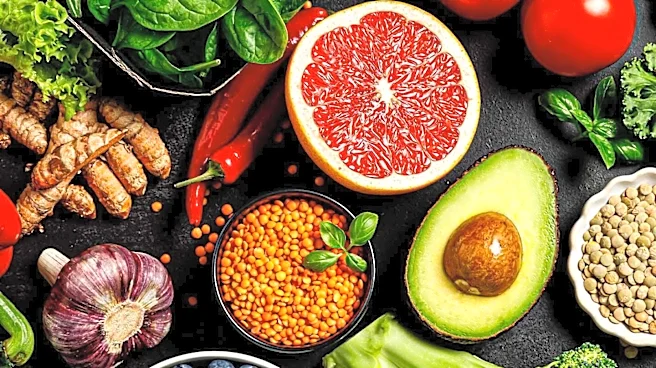
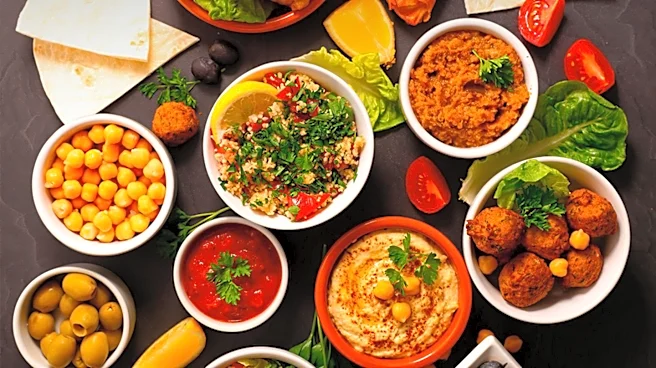
particularly emphasized in anticipation of the International Day of the Mediterranean Diet on November 16, stresses the diet's origins in sustainable practices, respect for nature, and community sharing. It places vegetables, fruits, pulses, cereals, and olive oil at its core, with fish, dairy, and meat consumed in varying proportions based on local traditions. The strength of this approach is seen in the relationships between foods, people, place, and rhythm, rather than in any single 'miracle' ingredient.
Why It's Important?
In the U.S., where dietary trends often focus on individual nutrients or restrictive eating, the Mediterranean diet offers a holistic alternative that could address broader health and societal challenges. Its emphasis on fresh, seasonal, and locally sourced ingredients promotes sustainable food systems, which can benefit local economies and reduce environmental impact. By advocating for less food waste and a deeper connection to food's origins, it challenges the prevailing consumer culture of convenience and excess. This approach could lead to improved public health outcomes, a stronger appreciation for culinary heritage, and a more equitable food system where healthy food is accessible to all, not just a privilege.
What's Next?
The International Day of the Mediterranean Diet on November 16 serves as an opportunity to further promote these principles. Educational initiatives, culinary events, and public awareness campaigns are likely to emerge, encouraging Americans to adopt elements of this lifestyle. There may be increased interest in local food movements, farmers' markets, and community-supported agriculture programs. Policy discussions could also be influenced, potentially leading to greater support for sustainable farming practices and food education in schools. The long-term goal is to integrate these values into daily life, fostering a healthier relationship with food and the environment.
Beyond the Headlines
The redefinition of the Mediterranean diet as a 'way of belonging' rather than just a 'diet' carries significant cultural and ethical implications. It challenges the commodification of food, reminding us that food is not merely an object but a product of land, labor, culture, and time. This perspective encourages a return to traditional wisdom, where resourcefulness and minimal waste were common sense. It also underscores the idea that shared meals foster community and dialogue, potentially bridging social divides. Furthermore, the argument that a sovereign state should guarantee access to healthy food for all citizens elevates food security to a fundamental human right, prompting a reevaluation of current food policies and economic structures.