






What's Happening?
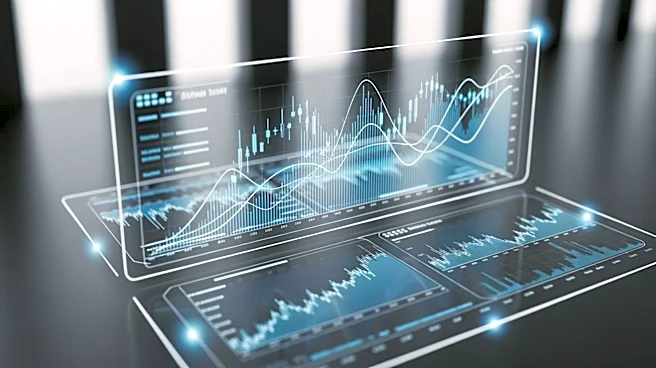
Financial markets have become one of the most automated industries globally, driven by decades of engineering advancements. Modern trading venues now utilize matching engines, liquidity aggregation systems, and risk engines to execute trades and manage
risks in real-time, minimizing human error and latency. The integration of AI and machine learning has further enhanced these systems, allowing them to adapt to market changes autonomously. This shift mirrors the automation seen in manufacturing, where similar technologies have transformed production processes.
Why It's Important?
The automation of financial markets represents a significant shift in how trading is conducted, potentially increasing efficiency and reducing costs. For financial institutions, this means a competitive edge in speed and accuracy, while for investors, it could lead to more stable and predictable market conditions. However, the reliance on automated systems also raises concerns about the potential for systemic risks if these systems fail or are manipulated. The trend underscores the broader impact of AI and machine learning across various industries, reshaping traditional roles and processes.
Beyond the Headlines
The increasing automation in financial markets may lead to regulatory challenges as authorities seek to ensure these systems operate fairly and transparently. There is also an ethical dimension to consider, as the displacement of human roles in trading could impact employment in the sector. Additionally, the reliance on complex algorithms necessitates robust cybersecurity measures to protect against potential breaches or manipulations.