



What's Happening?
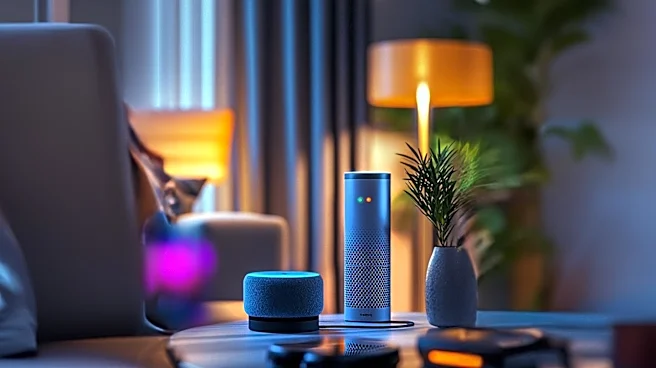
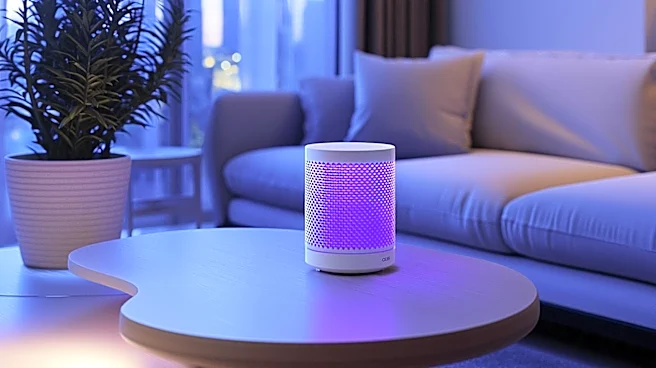
Smart home products are evolving to include integrated lighting features, moving beyond dedicated smart bulbs and lamps. Devices like the SwitchBot Circulator Floor Fan and SwitchBot Air Purifiers now incorporate ambient lighting, providing functionality
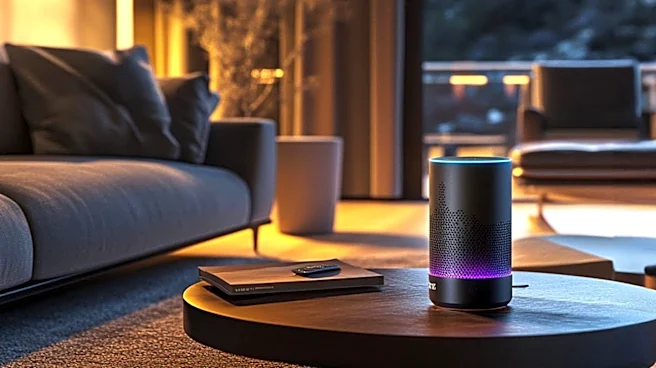
beyond their primary purpose. For instance, the SwitchBot Circulator Floor Fan offers ambient light suitable for nighttime navigation without the harshness of overhead lights. Similarly, SwitchBot Air Purifiers come with integrated lights, some offering dimmable and color options. This trend suggests a shift towards multi-functional smart devices that can contribute to a home's lighting scheme, often without being marketed primarily as lighting solutions. While these integrated lights offer convenience and ambient illumination, they are generally not replacements for dedicated, brighter lighting needed for tasks like reading or video calls.
Why It's Important?
This development is significant for the smart home industry and consumers, as it redefines how lighting is integrated into living spaces. For consumers, it offers the benefit of reducing clutter and maximizing space by combining multiple functionalities into single devices. This can lead to more streamlined smart home setups and potentially lower overall costs for achieving a connected environment. For manufacturers, it opens new avenues for product differentiation and innovation, encouraging the development of more versatile smart devices. However, it also presents challenges, such as ensuring seamless integration and control of these varied lighting sources within existing smart home ecosystems, especially when some integrated lights, like those in SwitchBot devices, may not fully support universal standards like Matter for all their features. This trend could influence future product design, pushing for more holistic smart home solutions.
What's Next?
The smart home market is likely to see an increase in devices that offer integrated lighting as a secondary or tertiary function. Manufacturers may focus on improving the control and customization options for these integrated lights, potentially through enhanced app features or broader compatibility with smart home platforms. There could also be a push for more integrated lights to support universal standards like Matter, allowing for more cohesive control across different brands and device types. Consumers can expect to find more innovative combinations of smart home technology, where devices like fans, air purifiers, and even smart plugs (such as the Linkind Smart Plug with Night Light) contribute to the overall lighting ambiance of a home. This evolution will likely continue to blur the lines between different categories of smart home products.
Beyond the Headlines
The integration of lighting into non-traditional smart home devices reflects a broader shift towards ambient intelligence and a more seamless living experience. This trend moves beyond simply automating individual devices to creating environments where technology subtly enhances daily life. The focus on ambient lighting from these multi-functional devices suggests an understanding of human circadian rhythms and the desire for less disruptive, more natural light sources in the home. It also highlights a design philosophy that prioritizes utility and space-saving, moving away from single-purpose gadgets. This evolution could lead to homes where lighting is an inherent feature of many objects, rather than a separate system, potentially influencing architectural design and interior decorating to consider these integrated light sources as fundamental elements of a smart living space.