


What's Happening?
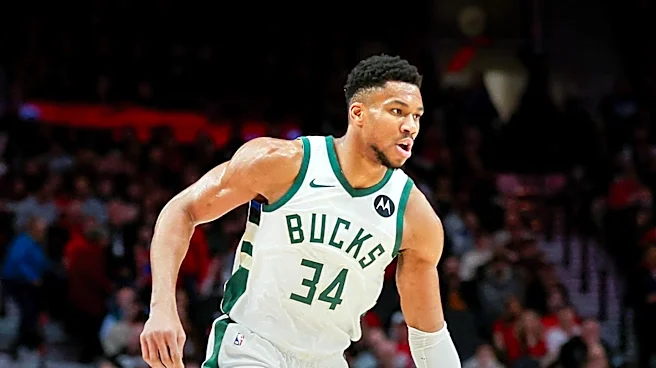
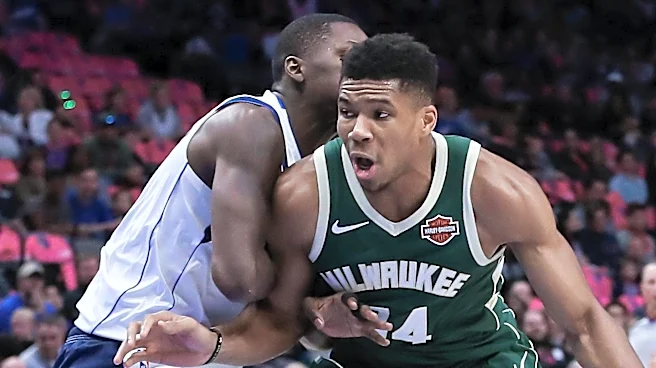
The Miami Heat's recent offseason has been marked by significant changes, most notably the acquisition of Giannis Antetokounmpo. This move, long sought after by Pat Riley, comes with its own set of challenges. While securing Antetokounmpo is a major win,
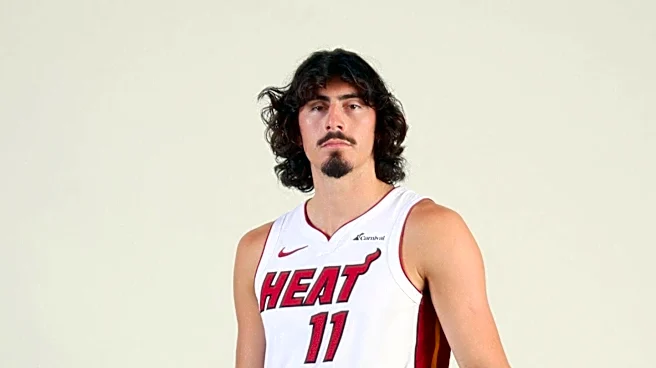
the Heat paid a substantial price and are now committed to a player who will soon be 32 and has a history of leg injuries. The team's roster, following this acquisition, lacks depth in shooting and playmaking, having missed out on other key players like LeBron James and losing Norman Powell. The Heat's current lineup suggests a potential shift towards a more defensive, grind-it-out style of play, but questions remain about the viability of this strategy in the competitive landscape of 2026.
Why It's Important?
The Miami Heat's offseason decisions are crucial as they attempt to remain competitive in the NBA. The acquisition of a high-profile player like Antetokounmpo could significantly impact their performance, but the lack of a strong supporting cast raises concerns. This situation highlights the challenges teams face in balancing star power with a well-rounded roster. The Heat's strategy could influence other teams' approaches to building competitive lineups, especially in a league where shooting and playmaking are increasingly vital. The outcome of these decisions will affect the Heat's chances in future seasons and could set a precedent for how teams manage aging stars with injury histories.
What's Next?
Moving forward, the Miami Heat will need to address their roster's deficiencies, particularly in shooting and playmaking. The team's management may explore trades or free-agent signings to bolster their lineup. Additionally, the Heat's performance in the upcoming season will be closely watched to see if their defensive strategy can succeed in the current NBA environment. The decisions made in the coming months will be critical in determining the team's trajectory and their ability to compete for championships.