

What's Happening?
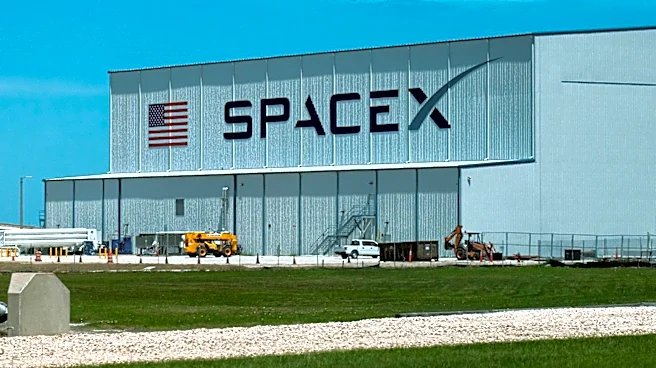
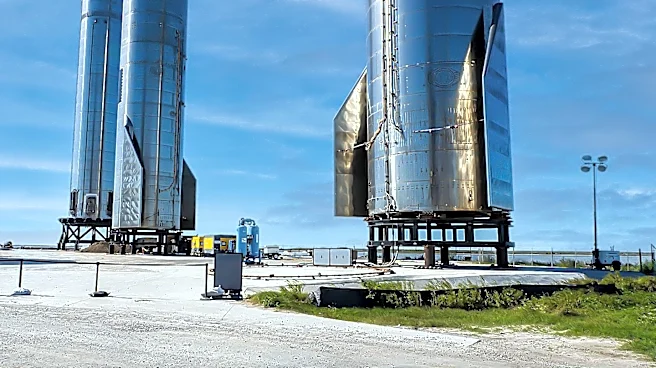
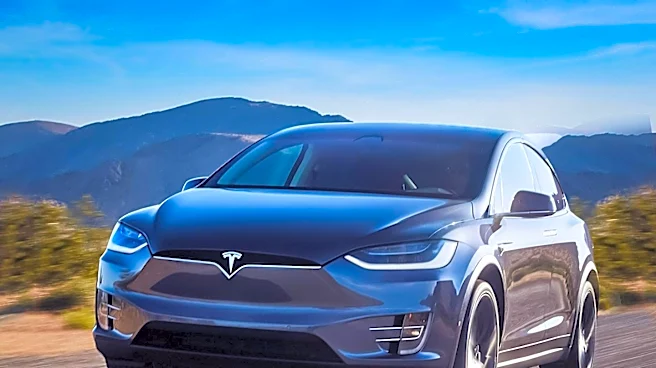
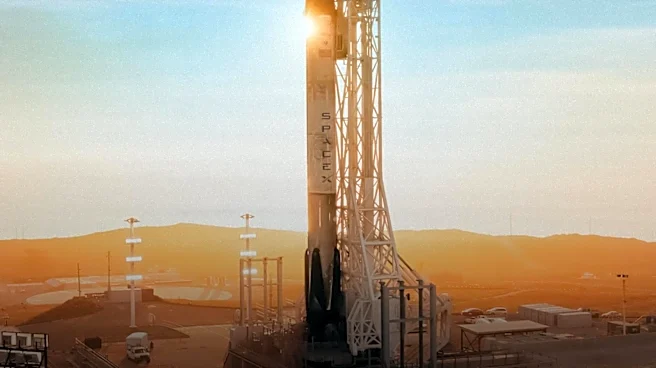
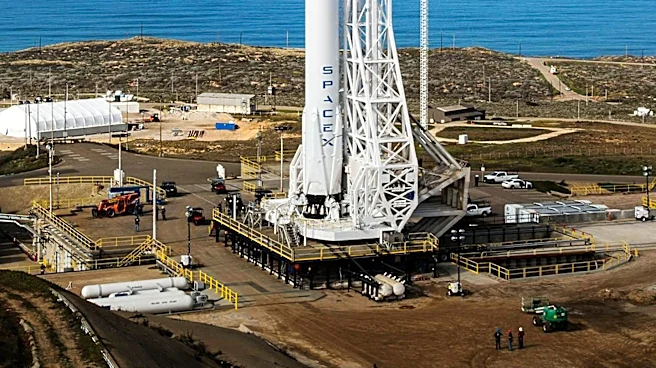
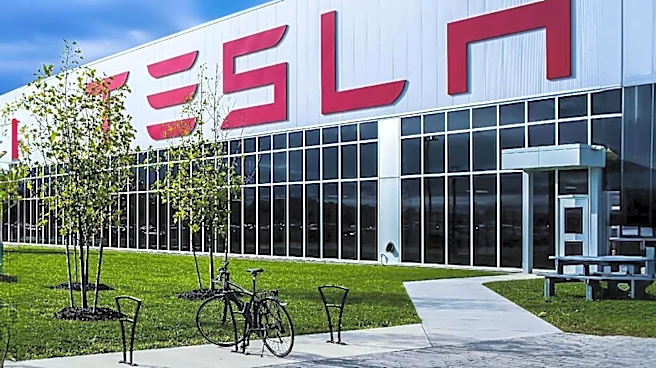
Elon Musk has announced a significant investment of $16.8 billion to establish the Terafab chip factory in Texas. This development is poised to impact not only Musk's companies, SpaceX and Tesla, but also the broader U.S. semiconductor landscape. The
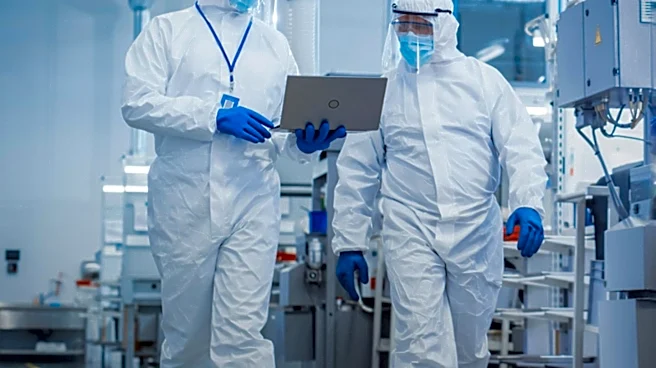
announcement comes at a time when global chip shortages are causing disruptions and geopolitical tensions over semiconductor manufacturing are rising. The new facility aims to support next-generation technologies, including Tesla's Optimus robots and SpaceX's data centers, aligning with the U.S. government's push for reshoring critical manufacturing capabilities as evidenced by the CHIPS Act.
Why It's Important?
The establishment of the Terafab chip factory is a strategic move that could significantly enhance the U.S. semiconductor industry. By reducing reliance on overseas manufacturers, particularly in Taiwan and South Korea, the U.S. could gain greater control over its supply chain. This move is expected to foster innovation and job creation within the U.S. semiconductor sector. Tesla and SpaceX stand to benefit from supply chain independence and a technological edge, potentially accelerating advancements in robotics, autonomous vehicles, and space technologies. However, this development could challenge legacy chipmakers and impact developing nations reliant on assembling lower-tech semiconductors.
What's Next?
The success of the Terafab chip factory will depend on Musk's ability to navigate the complexities of semiconductor manufacturing, including securing rare materials and recruiting skilled engineers. The facility is expected to become a cornerstone of Tesla and SpaceX's operations, inspiring further private-sector investments in domestic chip manufacturing. However, meaningful output from the factory may take years to achieve due to the slow, capital-intensive nature of chip production. The project's success will also hinge on forming partnerships with established semiconductor players and effectively managing global supply chain challenges.