





What's Happening?
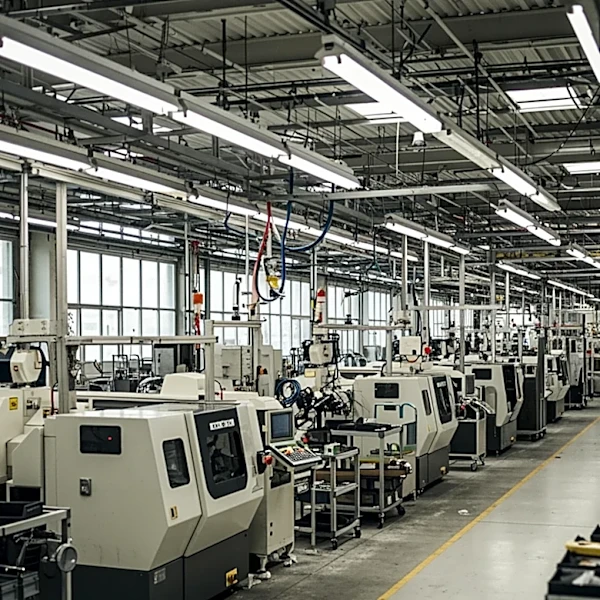
Titan International, a manufacturer of wheels and tires for off-highway vehicles, reported solid third-quarter 2026 results with revenue of $454 million and adjusted EBITDA of $28 million, aligning with their guidance. The company's Consumer segment saw
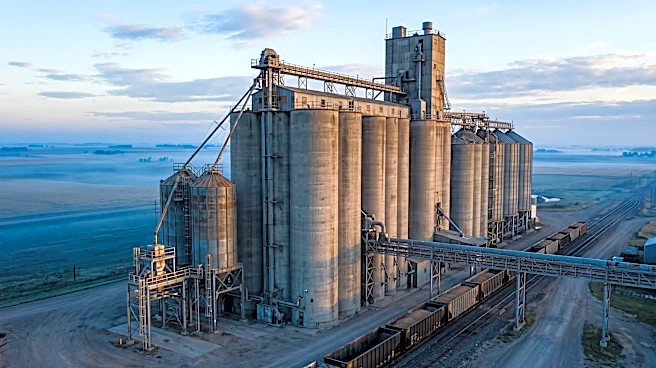
a 3% year-over-year sales decline but an expanded gross margin of 27.6%, which included $3.5 million in net tariff refunds. Excluding these refunds, the gross margin improved to 24.7% from 23.4% last year. The Agricultural segment faced significant pressure, with sales declining 12% due to subdued activity in the U.S. and a slowdown in Brazil, leading to a reduced gross margin of 7.6%. Titan International also announced the divestiture of its ITM undercarriage business, expected to close in January 2027, aiming to reduce debt and focus on its core wheel and tire operations. The company anticipates receiving an additional $6 million in tariff refunds in the fourth quarter of 2026.
Why It's Important?
Titan International's third-quarter performance highlights the complex impact of U.S. trade policies and broader economic conditions on manufacturing companies. The receipt of tariff refunds significantly boosted the Consumer segment's gross margin, demonstrating how such policy adjustments can directly influence corporate profitability. Conversely, the Agricultural segment's struggles underscore the vulnerability of industries to factors like high interest rates, geopolitical events (e.g., the Iran war's impact on energy costs), and fluctuating commodity prices. The divestiture of the ITM business signals a strategic pivot for Titan, aiming to streamline operations, reduce debt, and concentrate on core competencies. This move could enhance long-term financial stability and growth potential by allowing the company to invest more effectively in its primary markets. For investors, understanding the interplay between tariff policies, market demand, and strategic restructuring is crucial for assessing the company's future outlook.
What's Next?
Titan International expects the sale of its ITM undercarriage business to close in January 2027, which will allow the company to reduce debt and focus capital on its core wheel and tire businesses. The company anticipates receiving approximately $6 million in additional tariff refunds in the fourth quarter of 2026, which will further support its financial position. Despite ongoing market headwinds, particularly in the agricultural sector, Titan expresses cautious optimism for 2027, citing low channel inventories and aging equipment fleets as potential drivers for a market rebound. The company plans to reinvest the proceeds from the ITM sale into initiatives that enhance product offerings and deliver greater value to customers. Management will also provide an update on its mid-cycle adjusted EBITDA framework following the ITM divestiture.
Beyond the Headlines
The experience of Titan International illustrates the dynamic and often unpredictable nature of global trade and economic policies. The impact of tariffs, both in terms of costs incurred and subsequent refunds, can create significant volatility in financial reporting and strategic planning for companies. The decision to divest a non-core business, even one with substantial revenue, reflects a broader corporate trend towards specialization and balance sheet optimization in challenging economic environments. This strategic shift could lead to a more agile and focused Titan International, better equipped to navigate future market fluctuations. Furthermore, the company's cautious optimism for 2027, despite current headwinds, suggests a belief in the cyclical nature of its markets and the potential for recovery driven by underlying demand for equipment replacement. This narrative is common among industrial manufacturers facing similar pressures.