






What's Happening?
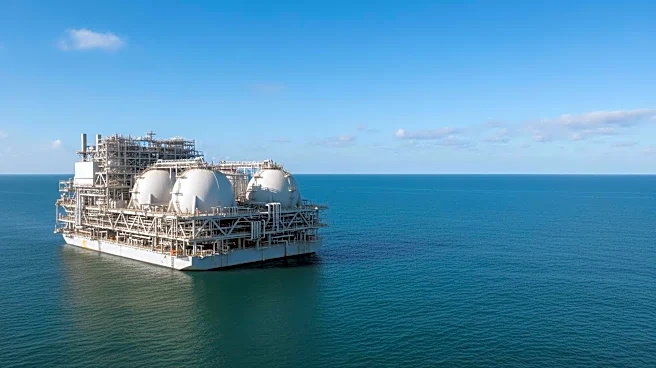
GTT has announced a new contract with Samsung Heavy Industries for the design of cryogenic tanks for the Delfin FLNG 1, a floating liquefied natural gas unit. This project, part of the Delfin LNG initiative, marks the first floating LNG unit to be operational
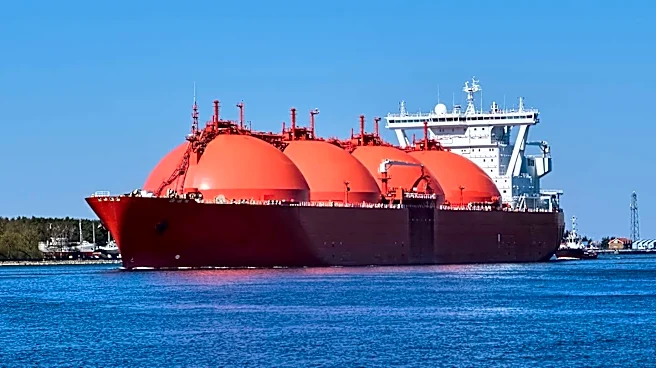
in the United States and is set to be the largest globally in terms of production capacity, with an expected output of 4.4 million tonnes of LNG per year. The tanks, featuring GTT's Mark III Flex membrane containment system, will have a total storage capacity of 180,000 cubic meters and are designed to withstand challenging maritime conditions, including hurricane exposure. The Delfin FLNG 1 will be stationed off the coast of Louisiana and is scheduled for delivery in mid-2030.
Why It's Important?
The development of Delfin FLNG 1 represents a significant advancement in the U.S. energy sector, particularly in the liquefied natural gas market. As the first floating LNG unit in the U.S., it positions the country as a key player in the global LNG supply chain, potentially increasing its export capacity and influence in international energy markets. The project also highlights the technological capabilities of GTT in designing complex offshore LNG solutions, which could lead to further innovations and investments in similar projects. This development is crucial for meeting the growing global demand for LNG, offering a more flexible and scalable solution compared to traditional onshore LNG facilities.
What's Next?
The successful implementation of the Delfin FLNG 1 project could pave the way for additional floating LNG units in the U.S., enhancing the country's LNG production and export capabilities. Stakeholders, including energy companies and government agencies, will likely monitor the project's progress closely, as its success could influence future energy policies and investments. Additionally, the project's completion will require ongoing collaboration between GTT, Samsung Heavy Industries, and other partners to ensure timely delivery and operational readiness by 2030.
Beyond the Headlines
The introduction of floating LNG units like Delfin FLNG 1 could have broader implications for the energy industry, including environmental and regulatory considerations. Floating units offer a smaller environmental footprint compared to traditional onshore facilities, potentially reducing land use and associated impacts. However, they also present unique regulatory challenges, particularly in terms of safety and environmental protection in offshore settings. As the industry evolves, stakeholders will need to address these challenges to ensure sustainable and responsible development of floating LNG technologies.