







What's Happening?
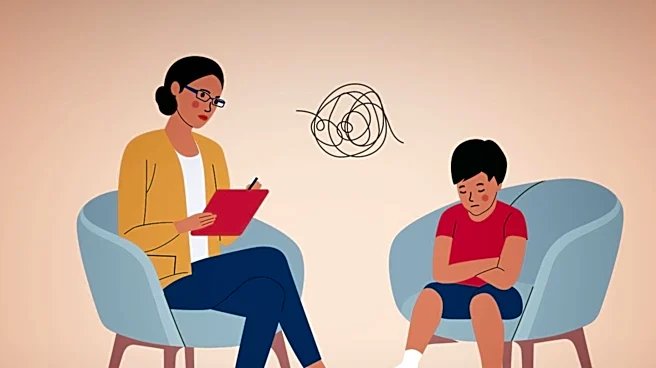
Christina Buttons, in an essay for The Free Press, expresses deep regret over her decision to go "no contact" with her parents for five years, a choice she made at age 19 based on advice from her therapist in 2008. Buttons recounts that her therapist labeled
her parents as "toxic" and "coercive," suggesting that they were the root cause of her problems, including suicidal thoughts. This therapeutic framework led her to sever all communication with them. Buttons notes that this concept of going "no contact" with family members, often framed as "self-care," has become increasingly prevalent in recent years, with therapeutic language shaping how family conflicts are understood. She highlights that approximately 10% of the U.S. population is estranged from a parent or child, and a growing number are reportedly encouraged by therapists to pursue such estrangement.
Why It's Important?
This personal account sheds light on a growing societal trend and raises critical questions about the influence of therapy on family dynamics and mental health. The increasing prevalence of "no contact" as a therapeutic recommendation, as highlighted by Buttons and a Wall Street Journal report, suggests a significant shift in how individuals approach family conflict and personal well-being. While setting boundaries can be healthy, Buttons's regret underscores the potential for unintended long-term consequences, including profound emotional pain and irreversible family estrangement. This issue impacts not only individuals seeking therapy but also their families, who often struggle with the sudden and unexplained loss of contact. It prompts a broader discussion within the mental health community about the ethical implications of advising complete estrangement and the need for a more nuanced approach to family therapy that prioritizes reconciliation and healthy communication where possible.
What's Next?
Buttons's essay serves as a cautionary tale, urging individuals to carefully consider the implications before severing family ties based on therapeutic advice. It may spark further dialogue among mental health professionals about best practices for addressing family conflict and the potential for over-pathologizing normal family dynamics. There could be a push for therapists to explore alternatives to complete estrangement, such as mediation, family therapy, or boundary-setting that maintains some level of contact. The increasing number of estranged families, as noted by Buttons, suggests a need for more resources and support systems for both those who initiate no contact and those who are estranged from their loved ones. This narrative could also encourage individuals to seek second opinions or engage in more comprehensive family counseling before making life-altering decisions about family relationships.
Beyond the Headlines
The phenomenon of "no contact" in families, as explored by Buttons, delves into deeper cultural and psychological shifts. The widespread adoption of therapeutic language, where painful experiences are labeled "trauma" and hurtful words "abuse," can sometimes lead to an overly clinical interpretation of complex human relationships. This can inadvertently foster a culture of disposability in family ties, where difficult relationships are severed rather than worked through. Buttons's regret highlights the inherent human need for connection and the profound, often unforeseen, emotional cost of severing those bonds. It also raises questions about the role of individual agency versus professional guidance in personal decisions, particularly when mental health is involved. The essay implicitly calls for a re-evaluation of how society and the therapeutic community define "healthy" family relationships and the balance between self-preservation and the enduring value of familial connection.