



What's Happening?
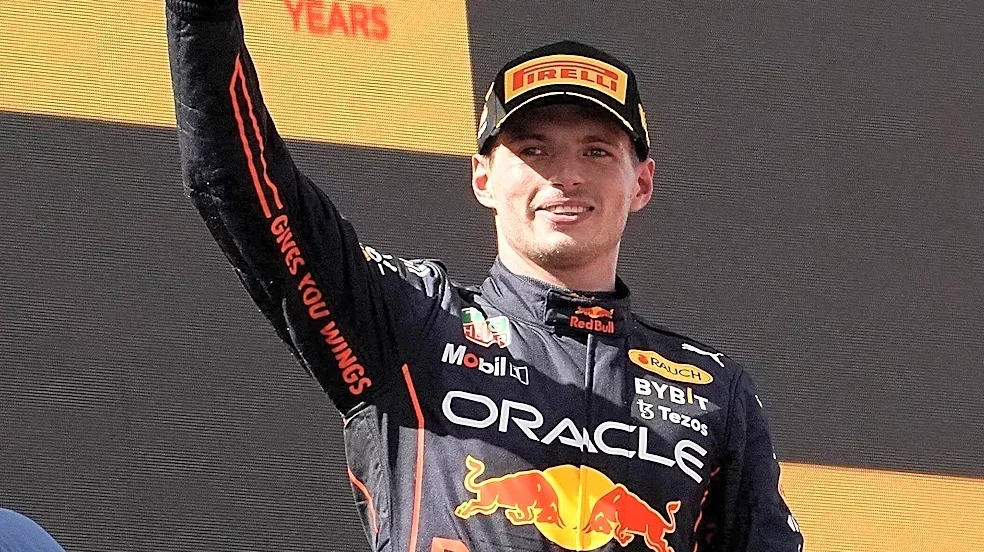
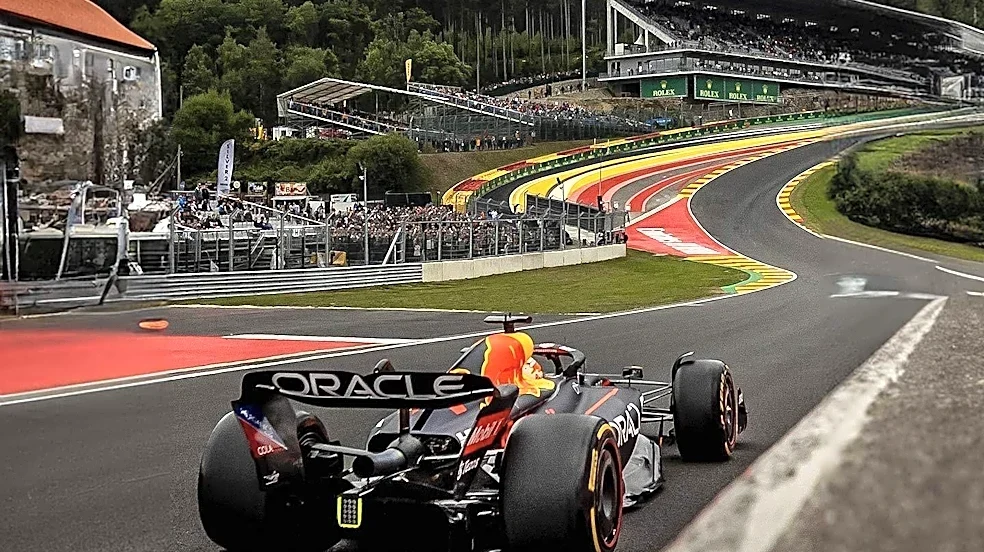
Max Verstappen, the four-time Formula 1 World Champion, is setting his sights on participating in the 2027 Spa 24 Hours endurance race. Verstappen expressed his strong desire to compete at Spa-Francorchamps, which he considers his favorite track, following
his recent ninth-place finish in the GT World Challenge Europe at Portimao. He shared the Team Verstappen Mercedes with Chris Lulham and Ben Barnicoat in that event. Verstappen, who was born in Belgium, views the Spa 24 Hours as a significant event and aims to meticulously plan his schedule to accommodate it alongside his Formula 1 commitments. The 2027 Spa 24 Hours is scheduled to run from June 24 to 27, falling between the Portuguese and British Grands Prix, potentially offering a window in his F1 calendar. This interest in GT racing follows his participation in the Nurburgring 24 Hours in May, where his team led before a driveshaft issue ended their race.
Why It's Important?
Verstappen's increasing involvement in GT racing signals a potential shift in how top-tier F1 drivers engage with other motorsport disciplines. His participation brings significant attention and prestige to endurance racing, potentially boosting viewership and commercial interest in events like the Spa 24 Hours. For the GT racing series, having a driver of Verstappen's caliber elevates the competitive profile and attracts new fans who follow F1. This trend could inspire other F1 drivers to explore diverse racing formats, enriching the motorsport landscape. Furthermore, Verstappen's public criticism of the 2026 Formula 1 regulations, despite his contract extension with Red Bull, suggests a desire for varied challenges and enjoyment beyond the current F1 framework. His pursuit of GT racing highlights a personal passion that could influence future career decisions and the broader appeal of multi-disciplinary racing.
What's Next?
Verstappen's immediate focus will return to Formula 1, with the United States Grand Prix being his next race. However, his team and management will likely begin the complex process of planning and scheduling his potential participation in the 2027 Spa 24 Hours. This will involve coordinating with Red Bull Racing to ensure his F1 commitments are not compromised, as well as securing a competitive GT team and co-drivers. His performance in upcoming GT events, if he chooses to participate in more before 2027, will also be closely watched. The motorsport community will be keen to see if other high-profile F1 drivers follow suit, potentially leading to a resurgence of F1 stars competing in major endurance races. Discussions around the 2026 F1 regulations and their impact on driver satisfaction may also continue, with Verstappen's actions serving as a notable example of a driver seeking alternative racing experiences.
Beyond the Headlines
Verstappen's foray into GT racing could represent a broader cultural shift within motorsport, where drivers are no longer strictly confined to a single discipline. This move challenges the traditional specialization often seen in elite racing careers, suggesting a desire for versatility and new challenges. Ethically, it raises questions about driver welfare and burnout, as competing in multiple demanding series adds to an already packed schedule. Legally, contractual obligations with F1 teams might need to evolve to accommodate such multi-disciplinary pursuits. Culturally, it could foster a more integrated motorsport community, bridging the gap between different racing fan bases. In the long term, if more F1 champions embrace endurance racing, it could redefine what it means to be a 'complete' racing driver, emphasizing adaptability and skill across various car types and race formats, potentially influencing junior driver development programs to encourage broader skill sets.