






What's Happening?
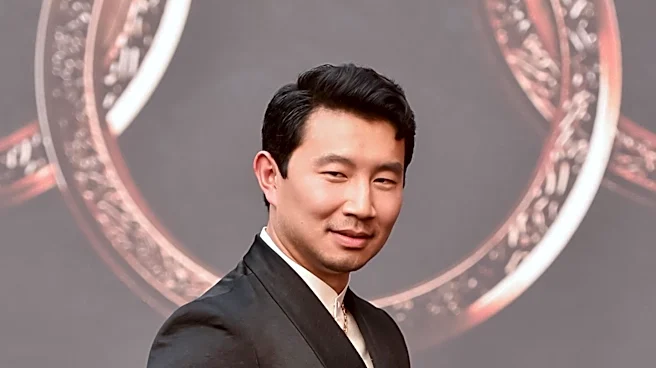
The film adaptation of the video game 'Sleeping Dogs,' starring Simu Liu, is experiencing significant delays, which director Timo Tjahjanto attributes to a deliberate, slow approach. Tjahjanto explained on X/Twitter that he and Liu are committed to bringing
the project to fruition by staying loyal to the game's protagonist, Wei Shen, while also adding layers to make the narrative suitable for a feature film. The 2012 game centers on an undercover cop infiltrating a Hong Kong triad, a story inspired by Hong Kong action movies. Despite earlier indications of progress, including Liu teasing developments and Tjahjanto being announced as director, there has been little recent news, leading to concerns that the project is stuck in 'development hell,' a common fate for video game adaptations.
Why It's Important?
The prolonged development of the 'Sleeping Dogs' movie highlights the inherent challenges in adapting video games to the big screen. The director's emphasis on balancing loyalty to the source material with the need for a compelling cinematic narrative underscores the difficulties in satisfying both dedicated fans of the game and a broader movie-going audience. This situation reflects a common struggle in the entertainment industry to translate interactive experiences into passive viewing experiences without losing the essence of the original. The involvement of a prominent actor like Simu Liu initially generated significant anticipation, making the delays more noticeable and potentially impacting audience expectations for the final product. The project's slow pace also serves as a case study for the complexities of creative development and the pressures to deliver a high-quality adaptation in a competitive market.
What's Next?
The 'Sleeping Dogs' movie is expected to remain in a prolonged development phase as the creative team works to refine the script and narrative. Director Timo Tjahjanto's statement suggests that the slow pace is intentional, indicating that there will likely be no immediate acceleration in production. Fans of the game and Simu Liu will need to exercise patience, as the focus is on crafting the 'best version' of the film rather than rushing it to completion. This approach implies that further updates on casting, production timelines, or release dates may be infrequent. The project's trajectory will likely continue to be compared to other video game adaptations that have faced similar delays, such as the 'Ghost of Tsushima' movie, which has also been in development for several years.
Beyond the Headlines
The challenges faced by the 'Sleeping Dogs' adaptation reflect a broader trend in Hollywood's approach to intellectual property, particularly from the gaming world. The industry is increasingly looking to established franchises for film content, but the transition from interactive medium to linear storytelling often proves difficult. This situation raises questions about the creative freedom allowed to filmmakers when adapting beloved source material versus the expectations of a dedicated fan base. It also highlights the evolving nature of storytelling across different media and the unique demands of each. The emphasis on 'loyalty to Wei Shen's tale' while 'adding layers' speaks to the delicate balance between homage and innovation, a constant tension in adaptation projects. The outcome of this film, whenever it materializes, could influence future strategies for video game adaptations in the entertainment industry.