



What's Happening?
The focus in AI deployment for industrial applications is shifting from cloud-based solutions to Edge AI, which involves processing data closer to its source. This change is driven by the need to overcome latency and security concerns associated with
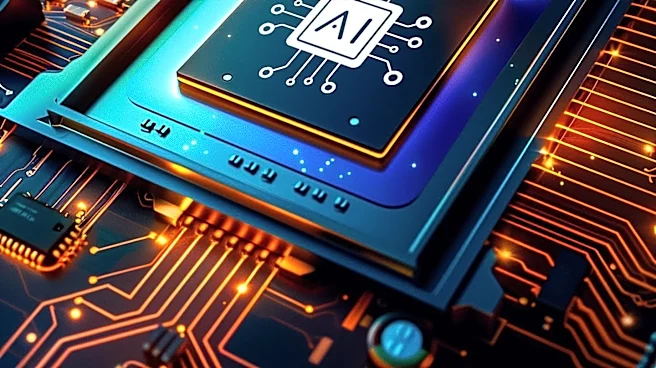
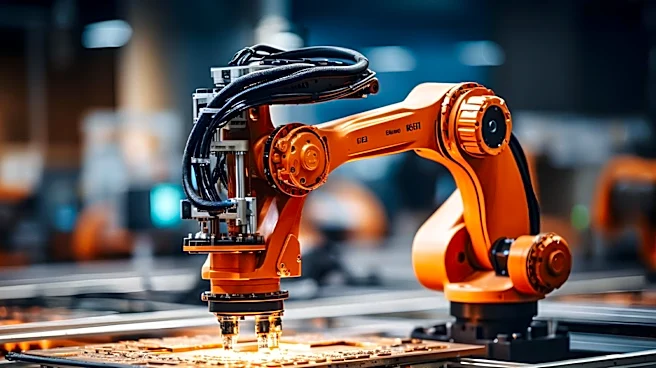
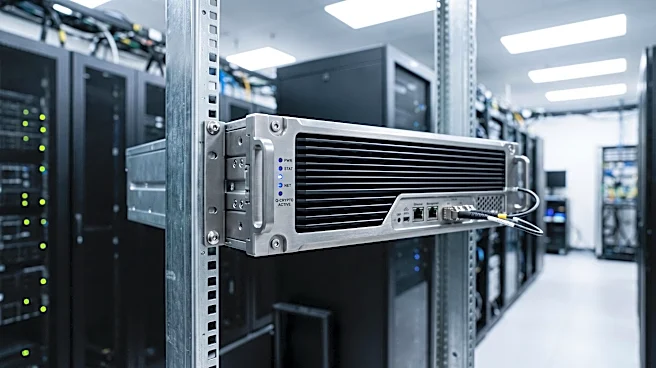
transferring large amounts of data to centralized cloud servers. Edge AI allows for immediate decision-making in real-time physical applications, such as automated warehousing, smart manufacturing, and security, where machines need to interact with objects without human intervention. Embedded systems are evolving to meet the demands of Edge AI, with new powerful computers featuring advanced processors, GPUs, and rugged cooling solutions designed for complex industrial environments. These systems are becoming more capable without significantly increasing in cost, thanks to new generations of CPUs with enhanced multitasking abilities and more efficient designs for cooling and I/O.
Why It's Important?
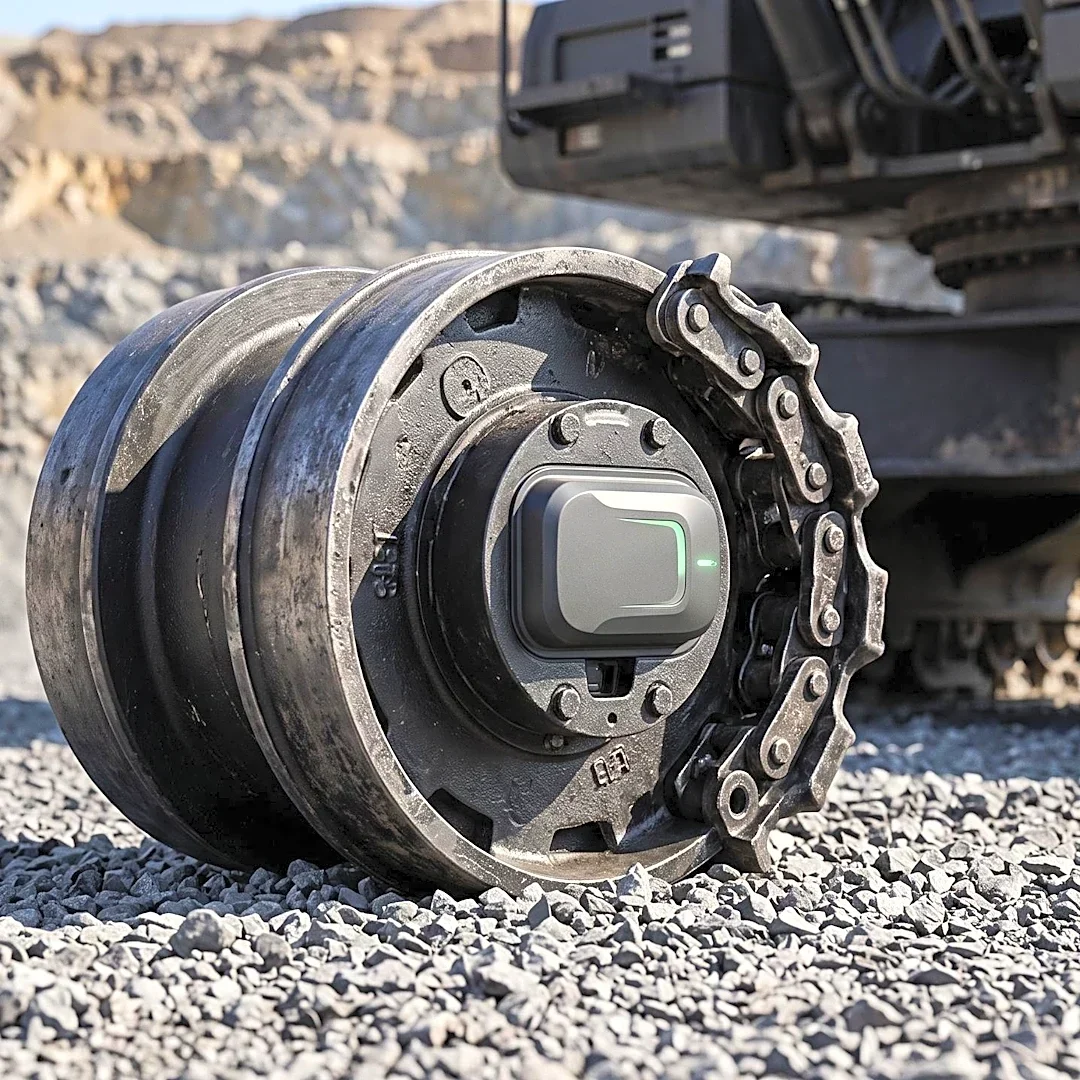
This shift to Edge AI has significant implications for U.S. industries, particularly those relying on real-time data processing and decision-making. By reducing reliance on cloud computing for critical applications, industries can enhance operational efficiency, improve data security, and minimize downtime. For example, predictive analysis powered by Edge AI can anticipate equipment faults in manufacturing, leading to proactive maintenance and reduced operational disruptions. In healthcare, it can aid in patient diagnosis, and in logistics, it can predict demand spikes. The development of more powerful and cost-effective embedded systems tailored for Edge AI will likely spur innovation and adoption across various sectors, giving U.S. companies a competitive edge in automation and intelligent systems. Companies that invest in Edge AI-capable embedded computers stand to gain from improved performance, security, and control over their data and operations.
What's Next?
The trend towards Edge AI is expected to continue, with companies increasingly investing in specialized embedded systems. Leading manufacturers are already releasing embedded systems optimized for Edge AI, incorporating new Intel and AMD chips with AI accelerator chips and scalable memory. This indicates a future where more industrial and commercial applications will leverage on-site data processing for enhanced responsiveness and security. The Internet of Things (IoT) is also moving towards integrating AI, providing devices with smart responsiveness. Businesses are encouraged to consult with experienced embedded systems providers to explore how Edge AI can benefit their specific applications and consider prototyping to understand the capabilities of this emerging technology. This will likely lead to a broader adoption of Edge AI across various industries, transforming how data is processed and utilized in real-world scenarios.
Beyond the Headlines
The move to Edge AI represents a fundamental shift in how artificial intelligence is deployed and managed, moving beyond the centralized cloud model. This decentralization of AI processing has deeper implications for data governance, privacy, and the resilience of critical infrastructure. By keeping sensitive data on-site, Edge AI can mitigate risks associated with data breaches and compliance issues, which are growing concerns in an increasingly data-driven world. Furthermore, the development of robust, specialized embedded systems for Edge AI could foster a new ecosystem of hardware and software innovation, potentially leading to new industry standards and specialized skill sets. This technological evolution could also empower smaller businesses and remote operations that may not have reliable high-bandwidth access to cloud services, democratizing access to advanced AI capabilities and fostering localized technological self-sufficiency.