








What's Happening?
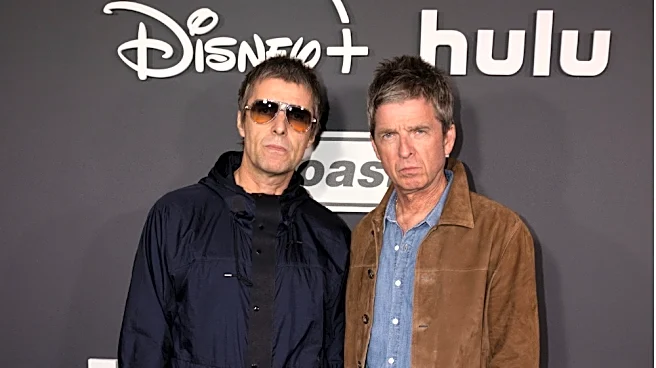
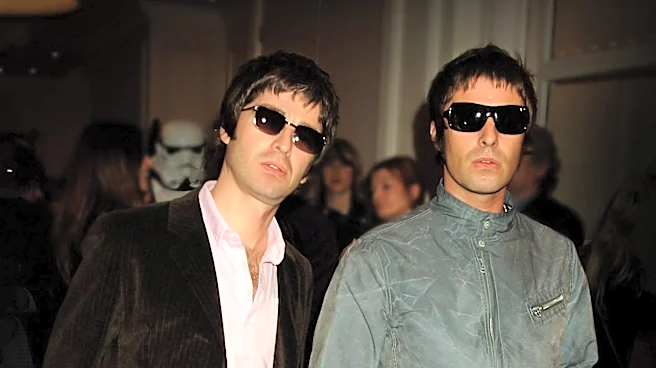
Noel and Liam Gallagher, members of the band Oasis, have launched legal action against their former sound engineer, Huw Richards. This action comes after Richards allegedly attempted to auction off hundreds of hours of recordings of the brothers for up
to $2 million. The legal papers were filed with the High Court on Tuesday, naming Richards, his son Owain, and a Worcestershire-based auction house as defendants, with the aim of preventing the sale of these tapes. Richards has expressed disappointment and bewilderment, claiming he had previously offered the recordings back to the Gallaghers. The collection in question consists of 209 DAT tapes, 73 analogue cassettes, and three MiniDiscs. These recordings reportedly contain Oasis soundchecks, rehearsals, and candid dialogue between the brothers from 1994 to 2001, including what is believed to be the sole recording of their 1996 Loch Lomond concert.
Why It's Important?
This legal dispute highlights significant issues surrounding intellectual property rights and copyright within the music industry, particularly concerning unreleased or privately held recordings. The case will determine who holds ownership and control over historical band material, even when recorded by a third party. For artists, the outcome could set a precedent regarding the protection of their creative output and personal interactions captured during their careers. For sound engineers and other crew members, it will clarify their rights, if any, to materials they create or possess during their employment. The potential sale of these recordings, which include intimate moments and a unique concert, could have a substantial impact on the band's legacy and their control over their narrative, potentially leading to unauthorized releases or exploitation of their work.
What's Next?
The legal proceedings will continue in the High Court, where the Gallaghers are seeking to block the sale of the tapes. The core of the dispute revolves around Richards' claim of legal ownership due to his possession and creation of the recordings, versus Oasis's assertion of intellectual property and copyright. The court will need to rule on these conflicting claims, which could involve examining the terms of Richards' employment with the band and the prevailing laws regarding intellectual property. The auction house involved, Littleton's, has stated they are following proper legal processes, indicating they will likely abide by the court's decision. Depending on the ruling, the recordings could either be returned to the Gallaghers, remain with Richards, or potentially be subject to a different form of legal resolution.
Beyond the Headlines
Beyond the immediate legal battle, this case touches upon the broader ethical considerations of privacy and control over personal and professional archives in the digital age. The 'unfiltered dialogue and banter' mentioned in the collection raises questions about the boundaries between public and private personas for celebrities and the potential for such material to be exploited. It also underscores the importance of clear contractual agreements between artists and their collaborators regarding ownership and usage rights of all recorded material. The outcome could influence how artists and their teams manage and protect their creative assets and personal interactions, potentially leading to more stringent agreements and archiving practices to prevent similar disputes in the future. This situation also highlights the enduring value and demand for rare and unreleased content from iconic bands like Oasis.