



What's Happening?
Ranch-style homes have become a staple in American architecture, evolving from their origins in the 1930s to become one of the most popular home styles in the United States. Initially designed by Cliff May in 1932, these homes were inspired by Spanish
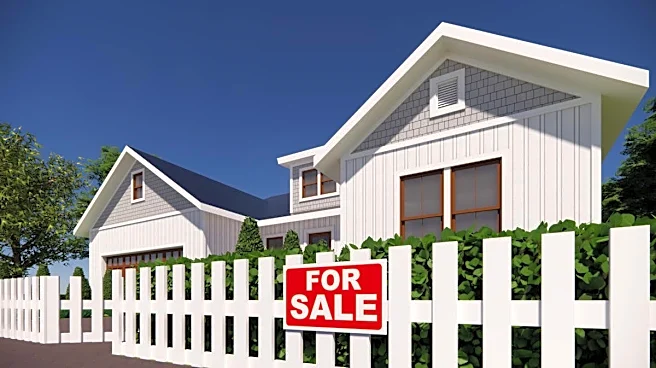
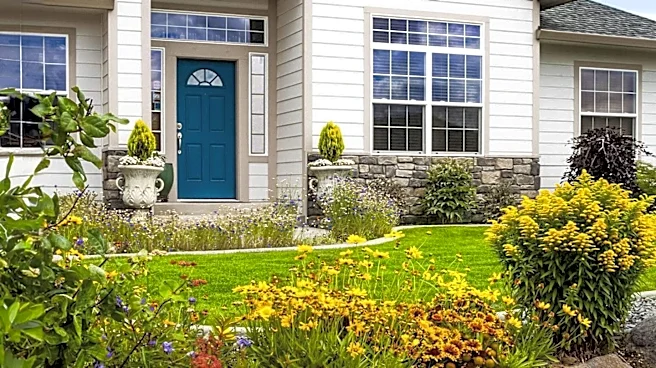
Colonial haciendas and 19th-century western American ranchos. The design gained popularity during the post-WWII housing boom, offering affordable and quick-to-build options for returning soldiers. Characterized by their single-story layout, low-pitched rooflines, and open floor plans, ranch-style homes have maintained their appeal due to their practicality and connection to nature. Today, they remain a favorite among homebuyers, particularly in the Southwestern and Midwestern regions of the U.S.
Why It's Important?
The enduring popularity of ranch-style homes highlights significant trends in American housing preferences. Their affordability and practicality make them attractive to a wide range of buyers, including young families and seniors. The design's accessibility, with no stairs and open-concept layouts, caters to those with mobility issues. Additionally, the seamless indoor-outdoor flow aligns with contemporary desires for homes that integrate with nature. As housing markets continue to evolve, the ranch-style home stands as a testament to the lasting impact of mid-century design principles on modern living.
What's Next?
As the demand for ranch-style homes persists, it is likely that their design will continue to evolve to meet modern needs. Homeowners may incorporate more sustainable materials and technologies to enhance energy efficiency. Additionally, the trend of adding stories or modernizing interiors could continue, allowing these homes to adapt to changing family dynamics and lifestyle preferences. The real estate market may also see a rise in the value of ranch-style homes as they remain a sought-after option for diverse demographics.
Beyond the Headlines
The cultural significance of ranch-style homes extends beyond their architectural features. They symbolize a shift in American living, from formal, multi-story homes to more casual, open spaces that encourage family interaction and outdoor activities. This shift reflects broader societal changes, including the move towards suburban living and the desire for a more relaxed lifestyle. As such, ranch-style homes are not just a housing option but a cultural icon representing the American Dream.