








What's Happening?
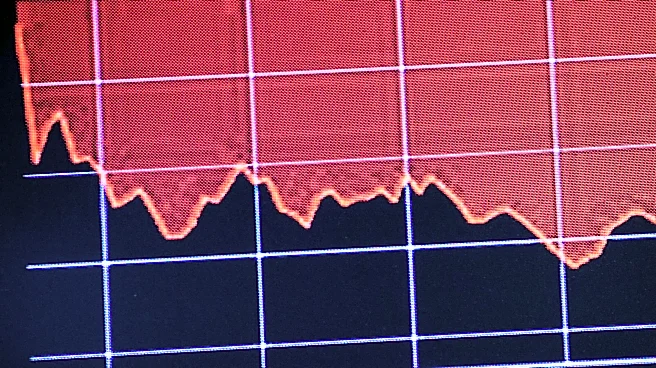
Ubisoft's shares experienced an approximate 11% drop on Friday after the company issued a third-quarter net bookings forecast of €250 million. This projection fell significantly below analysts' expectations, which had anticipated €361 million, according
to Reuters. The video game publisher attributed this weaker outlook primarily to a lighter release schedule for the quarter and an increasingly crowded holiday gaming market. Despite the revised third-quarter forecast, Ubisoft has maintained its full-year financial guidance. The company's shares have seen a substantial decline throughout 2026, extending their year-to-date drop to around 42%. In the first half of its financial year, Ubisoft reported an operating loss of €189.2 million and a free cash flow outflow of €338.1 million. Morningstar analysts have expressed concerns, indicating that a material improvement in earnings during the second half of the fiscal year would be necessary for Ubisoft to meet its full-year guidance. Analysts also noted a lack of detailed information regarding the company's ongoing restructuring efforts.
Why It's Important?
The significant drop in Ubisoft's stock price and the lower-than-expected third-quarter forecast highlight investor concerns regarding the company's near-term financial performance and its ability to navigate a competitive market. A lighter release schedule, while potentially allowing for more development time on key titles, directly impacts short-term revenue generation, which is crucial for investor confidence. The crowded holiday gaming market further intensifies competition for consumer spending, making it challenging for individual titles to stand out and achieve high sales volumes. The substantial operating loss and negative free cash flow in the first half of the fiscal year underscore underlying financial pressures that Ubisoft is facing. Maintaining full-year guidance despite a weak third-quarter outlook suggests the company anticipates a strong performance in the final quarter, likely driven by major game releases or other strategic initiatives. However, analysts' skepticism regarding the lack of restructuring details adds another layer of uncertainty, as effective restructuring is often seen as a path to improved efficiency and profitability. This situation puts pressure on Ubisoft to deliver compelling results in the latter half of its fiscal year to reassure investors and stabilize its market position.
What's Next?
Ubisoft's ability to meet its full-year financial guidance will heavily depend on a significant improvement in earnings during the second half of its fiscal year. This implies that upcoming game releases or other strategic initiatives in the final quarter must perform exceptionally well to offset the weaker third-quarter forecast and the first-half losses. Investors and analysts will be closely monitoring the performance of any major titles launched during this period, as well as any further details regarding the company's restructuring plans. The market will be looking for clear signs of operational efficiency improvements and successful game launches that can drive revenue and profitability. Failure to materially improve earnings in the second half could lead to further downward pressure on Ubisoft's stock and potentially force a revision of its full-year outlook. The company's communication regarding its strategic direction and the impact of its restructuring efforts will be crucial in shaping investor sentiment in the coming months.
Beyond the Headlines
Ubisoft's current financial challenges, marked by declining stock and lower forecasts, reflect broader trends within the video game industry, where development costs are rising, and competition for player engagement is fierce. The emphasis on a 'lighter release schedule' could be a strategic pivot towards quality over quantity, aiming to avoid market saturation and focus resources on fewer, higher-impact titles. However, this strategy carries inherent risks, as the success of the entire fiscal year becomes more dependent on a smaller number of releases. The lack of detailed restructuring information could indicate either a cautious approach to internal changes or ongoing complexities in implementing them. This situation also highlights the cyclical nature of the gaming industry, where periods of high investment and development often precede periods of intense market competition and financial scrutiny. The long-term implications for Ubisoft will depend on its ability to innovate, effectively manage its intellectual properties, and adapt to evolving player preferences and technological advancements, such as the integration of AI in game development.