



What's Happening?
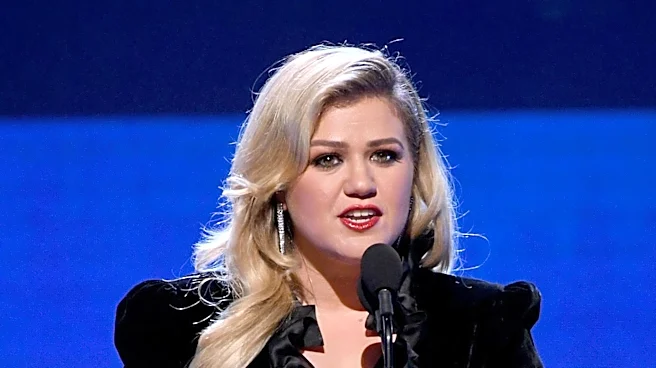
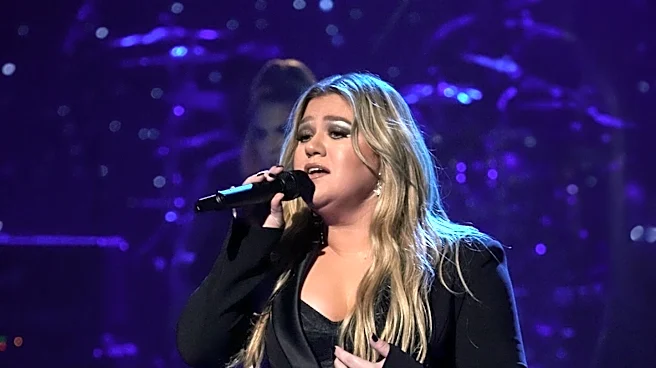
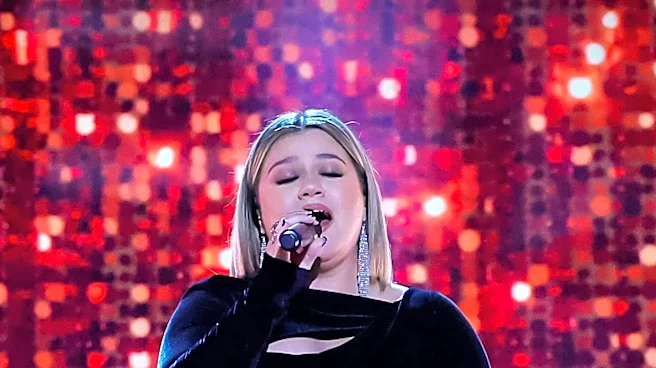
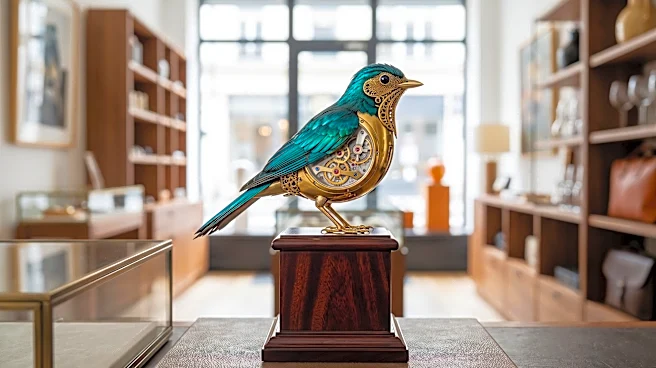
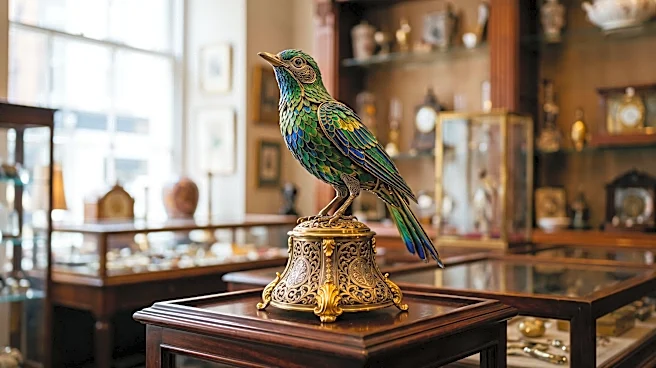
Grammy-winning singer Kelly Clarkson has publicly accused a Brooklyn boutique, Art of Play, of discriminatory treatment during her attempt to purchase a mechanical bird. Clarkson stated that she was 'looked at as if I couldn't afford' the singing and
dancing bird, which she claimed had a price tag of $15,000. The incident, which occurred during a five-minute visit on a Saturday, has sparked a social media controversy. Art of Play, however, has defended its actions, asserting that the wooden bird in question is a permanent fixture on their wall and is not for sale. The store clarified that an employee suggested to Clarkson that she could order an identical bird for the same price.
Why It's Important?
This incident highlights the growing influence of celebrity social media presence on public perception and small businesses. A public accusation from a high-profile figure like Kelly Clarkson can significantly impact a store's reputation and customer base, regardless of the factual nuances of the situation. It also brings to light issues of perceived discrimination in retail environments, where customer experiences can be subjective and lead to differing interpretations of interactions. For consumers, the story underscores the power of social media platforms in amplifying individual experiences, potentially leading to rapid public judgment of businesses. For businesses, it emphasizes the critical importance of clear communication and customer service training, especially when dealing with high-value items or unique store policies, to prevent misunderstandings that can quickly escalate into public relations challenges.
What's Next?
The immediate aftermath will likely involve continued public discussion on social media platforms regarding the incident, with both supporters of Kelly Clarkson and Art of Play weighing in. Art of Play may need to issue further statements or clarify its policies regarding unique store items to mitigate any negative impact on its brand. Other celebrities and public figures might also comment on the situation, potentially broadening the discussion on retail discrimination or customer service. The incident could also prompt other businesses to review their customer interaction protocols, particularly concerning high-value or non-sale items, to avoid similar public disputes. There is no indication of legal action, suggesting the resolution will primarily play out in the court of public opinion.
Beyond the Headlines
This event touches upon deeper societal conversations about class, perception, and the power dynamics inherent in retail interactions. Clarkson's feeling of being judged based on her perceived ability to afford an item, despite her celebrity status, resonates with broader experiences of discrimination that individuals from various backgrounds face. It also raises questions about the authenticity of retail experiences in an age where social media can instantly turn a private interaction into a public spectacle. The incident could serve as a case study for how quickly narratives can form and spread online, and the challenges businesses face in managing their image when confronted with celebrity-driven controversies. Furthermore, it subtly highlights the value placed on unique, artisanal items in boutique settings and the potential for miscommunication when such items are not readily available for purchase.