





What's Happening?
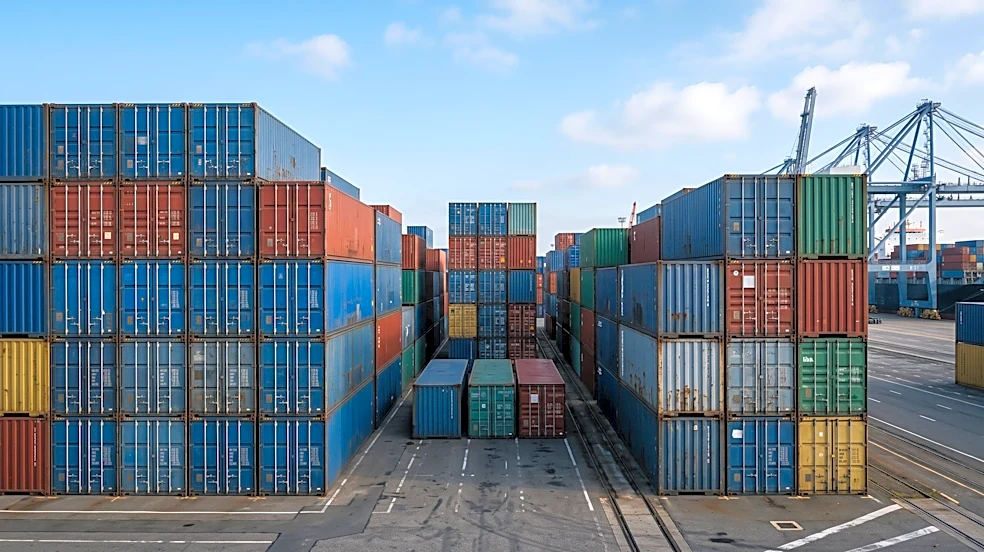
Maryam Safarnezhad, a UNSW PhD student, is conducting research focused on utilizing artificial intelligence to address complex logistics challenges within container terminals. Her work aims to enhance the efficiency, sustainability, and reliability of
supply chains. The research specifically tackles the issue of densely stacked containers in terminals, where retrieving a buried container necessitates moving others, leading to increased crane time, energy consumption, and potential delays. The AI agent, trained through reinforcement learning using historical data from a Sydney container terminal, learns to assess yard configurations and make optimal decisions regarding container movements. This system is designed to balance competing objectives, such as minimizing unnecessary relocations while ensuring timely retrieval for trucking companies. The AI is rewarded for on-time retrievals and penalized for inefficient movements, allowing it to learn effective strategies under various conditions.
Why It's Important?
The improvements demonstrated by this AI system have significant implications for global supply chains, including those impacting the U.S. economy. By reducing the relocation-to-retrieval rate by 53% and increasing on-time retrieval to 83%, the technology can drastically cut operating costs and energy usage in container terminals. Average delays, which previously stood at 48 minutes, were reduced to less than five minutes, and the number of unserved containers also decreased significantly. For U.S. industries, particularly those reliant on international trade and efficient logistics, these advancements could lead to faster delivery times, reduced shipping costs, and improved reliability of goods. This is especially critical for time-sensitive products like fresh food, fruits, and seafood, where delays can result in spoilage and substantial financial losses. The enhanced efficiency can also contribute to a more resilient supply chain, better equipped to handle disruptions.
What's Next?
The research has led to the development of a tool called ARIA, which can analyze container yards at each decision point and recommend optimal retrieval or relocation strategies, including suitable destinations for relocated containers. ARIA is also capable of explaining its reasoning and assessing alternative strategies in response to disruptions, such as delayed truck arrivals. While initially developed for container terminals, the approach has broader applicability to other complex logistics environments, including warehouses and airports, where balancing competing priorities under uncertain conditions is crucial. The next steps likely involve further testing and implementation of ARIA in real-world scenarios beyond the initial Sydney terminal, potentially leading to its adoption in U.S. ports and logistics hubs to streamline operations and mitigate supply chain bottlenecks.
Beyond the Headlines
The development of AI solutions like ARIA highlights a growing trend in leveraging advanced technology to optimize critical infrastructure and economic processes. Beyond the immediate benefits of efficiency and cost reduction, this research points to a future where AI plays a central role in managing complex logistical networks, potentially transforming global trade. The ability of AI to learn from historical data and adapt to dynamic conditions offers a powerful tool for addressing the inherent uncertainties in supply chains. This could lead to a more proactive and resilient global trade system, less susceptible to disruptions caused by unforeseen events. Furthermore, the ethical implications of AI decision-making in critical infrastructure will become increasingly important, requiring careful consideration of transparency, accountability, and potential biases in algorithmic processes as these systems become more integrated into daily operations.