




What's Happening?
Bangladesh's goal of transforming its leather and footwear industry into a $5 billion export sector by 2030 is at risk due to persistent environmental and compliance problems at the Savar tannery estate. Industry leaders highlighted these concerns at a policy
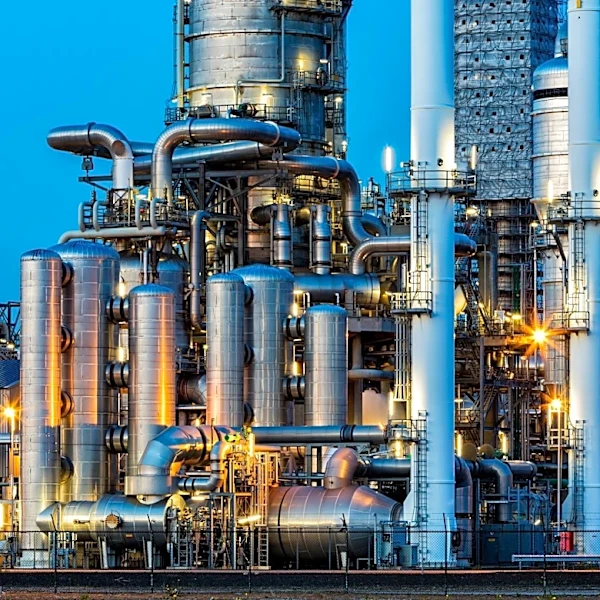
dialogue organized by the South Asian Network on Economic Modeling (SANEM) and the Footwear Leathergoods and Accessories Exporters Association (FLAXA). A central issue is the Central Effluent Treatment Plant (CETP) at Savar, which is designed to treat 25,000 cubic meters of liquid waste daily but operates at a reduced capacity of 14,000 to 18,000 cubic meters. This problem intensifies significantly during Eid-ul-Azha, when waste volumes can surge to 40,000-45,000 cubic meters per day. Commerce and Industry Minister Khandaker Abdul Muktadir acknowledged the CETP's shortcomings and announced plans for a new facility through a transparent bidding process, along with improvements to the existing plant. The government also intends to support larger tanneries in installing their own effluent treatment plants and assist struggling or non-compliant tanneries in exiting the sector.
Why It's Important?
The failure to address these environmental and compliance issues could severely hinder Bangladesh's economic growth and its position in the global leather market. The industry currently exports approximately $1.76 billion in footwear and leather goods to over 105 countries, despite being the world's seventh-largest footwear producer. However, a significant portion of this value is lost as 65% of Bangladesh's leather is exported as crust leather, meaning it is only partly processed. Achieving the $5 billion export target requires a shift towards finished leather goods, which would create more value and jobs domestically. Furthermore, the industry faces challenges beyond the CETP, including poor infrastructure, gas shortages, high solid-waste disposal costs, and complex licensing procedures. These issues deter investment and make it difficult for local processors to meet international certifications like the Leather Working Group (LWG), which are crucial for market access and competitiveness.
What's Next?
The Bangladeshi government plans to construct a new CETP through a transparent bidding process and appoint a world-class operator, while also improving the existing facility. Larger tanneries will be encouraged and supported to install their own effluent treatment plants, and smaller units will need to meet compliance requirements to use the central facility. The government will also facilitate the exit of non-compliant tanneries from the sector. Industry experts have proposed a technical review of the CETP, emergency funding for its restoration, independent monitoring, and stronger penalties for polluters. There are also calls for linking government incentives to compliance with LWG and ZDHC (zero discharge of hazardous chemicals) standards. Additionally, the government aims to simplify business and customs procedures and negotiate wider market access for Bangladeshi leather and non-leather products, particularly with Japan. The focus will shift towards increasing the export of finished products and exploring opportunities in non-leather footwear.
Beyond the Headlines
The challenges faced by Bangladesh's leather industry highlight broader issues of sustainable industrial development and environmental governance in emerging economies. The reliance on a single, underperforming central treatment plant underscores the need for robust infrastructure planning and investment in environmental protection. The push for international compliance standards like LWG and ZDHC reflects a global trend where ethical and environmental considerations are increasingly influencing trade and market access. The struggle to transition from exporting semi-finished goods to finished products also points to the complexities of value chain upgrading and industrial diversification. Furthermore, the bureaucratic hurdles and regulatory inconsistencies mentioned by industry leaders indicate systemic issues that can stifle foreign investment and local business growth, impacting the country's overall economic competitiveness as it prepares for graduation from least developed country status.