






What's Happening?
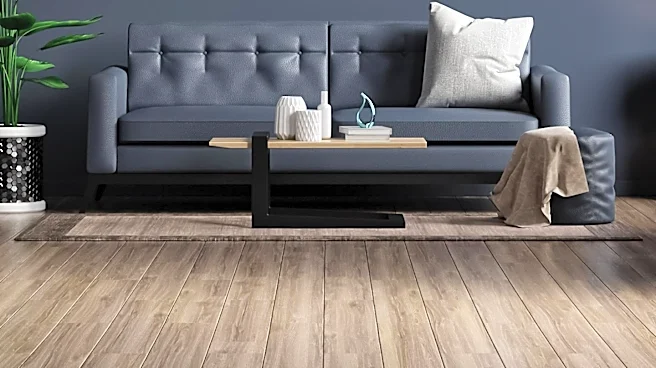
The market for AI interior design tools is rapidly expanding, offering users various options for redesigning rooms from photos. Tools like RoomGPT and Spacely AI provide fast, free makeovers, while Interior AI and REimagine Home specialize in virtual
staging. For more professional, CAD-grade renders, mnml AI is available. Pixazo offers an all-in-one creative platform for restyling room photos. Many of these tools allow users to upload a photo of their existing room, select a style, and receive a restyled version within minutes. However, the availability of free tiers and pricing structures can vary and change frequently. For instance, Interior AI's free tier appears to have been discontinued, and REimagine Home provides five free credits before requiring payment. Collov AI integrates shoppable furniture options from partner retailers, though choices are limited to those specific stores. Homestyler provides advanced AI-powered 3D rendering and real-time visualization capabilities.
Why It's Important?
The proliferation of AI interior design tools is democratizing access to professional-grade design capabilities, impacting homeowners, real estate agents, and design professionals. For homeowners, these tools offer a cost-effective and quick way to visualize potential changes to their living spaces without committing to expensive renovations or hiring a designer. This can lead to more informed decisions about decor, furniture, and overall room aesthetics. Real estate agents benefit significantly from virtual staging features, which can enhance property listings and attract more potential buyers by presenting empty or outdated rooms in an appealing, modern style. For professional designers and architects, tools like mnml AI, which can render from CAD models, streamline the design process, allowing for rapid prototyping and visualization of complex projects. The ability to quickly generate multiple design options and integrate shoppable furniture also creates new business models and efficiencies within the interior design and retail sectors. The market's fragmentation, with no single dominant player, indicates a competitive landscape that fosters continuous innovation and diverse offerings, ultimately benefiting consumers with more specialized and accessible tools.
What's Next?
The generative AI in design market is projected to exceed $5 billion by 2030, with North America expected to remain the largest regional market. This growth will be driven by continued technological advancements, increased adoption across creative industries, and the rising demand for personalized and automated design solutions. Companies will likely focus on enhancing AI-powered design platforms to improve productivity, precision, and integration with cloud-based collaborative tools. The dominance of cloud-based solutions, expected to account for 88% of the market by 2030, will facilitate scalable GPU-powered infrastructures and support remote design teams. Further integration of AI into computer-aided design, digital engineering, and the development of digital twins for iterative validation are anticipated. The market will also see continued efforts to automate design documentation, as exemplified by Fujitsu's Kozuchi service, which generates design documentation using AI. As the technology evolves, the accuracy of renders and the ability of AI to respect real-world structural constraints will likely improve, making these tools even more indispensable for both casual users and professionals.
Beyond the Headlines
The rise of AI interior design tools presents deeper implications beyond mere aesthetics. Ethically, the ability of AI to 'invent' furniture or alter room geometry raises questions about the authenticity and practicality of AI-generated designs. While these tools are excellent for inspiration, they currently lack the capacity to provide buildable plans, often ignoring critical structural elements like load-bearing walls, plumbing, and wiring. This necessitates a continued reliance on human professionals—designers and contractors—to translate AI visions into tangible, safe, and compliant realities. Culturally, these tools could influence design trends by rapidly disseminating popular styles and making them accessible to a broader audience, potentially leading to a more homogenized aesthetic or, conversely, fostering greater experimentation. The integration of shoppable furniture directly into AI renders also blurs the lines between design visualization and e-commerce, potentially transforming how consumers discover and purchase home goods. Furthermore, the ongoing development of AI in design highlights a broader shift towards intelligent automation across creative sectors, challenging traditional design workflows and emphasizing the importance of human-AI collaboration in fostering innovation.