







What's Happening?
Amidst growing concerns about climate change and food security, home gardening is being promoted as a vital practice for building resilience and fostering a deeper understanding of food production. The concept of a 'climate garden' encourages individuals
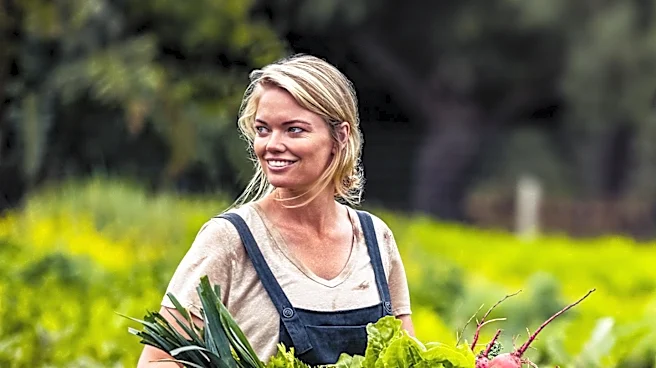
to cultivate food suited to their local season and space, emphasizing soil health through composting and preparing for varied weather conditions, including both dry spells and heavy rainfall. This approach, particularly relevant in regions with long growing seasons like the Central Coast, advocates for planting a diverse range of vegetables and herbs. Examples include cool-season crops like arugula, spinach, kale, and root vegetables, as well as various herbs. The initiative also stresses the importance of supporting local farmers, viewing home gardening not as a replacement for commercial agriculture but as a complementary activity that enhances appreciation for the effort and knowledge involved in food cultivation. Even small efforts, such as a pot of herbs or a single bed of winter greens, contribute to a household's understanding of food systems and reduce waste.
Why It's Important?
This movement towards 'climate gardens' is important for several reasons. Firstly, it directly addresses food security by empowering individuals to produce a portion of their own food, reducing reliance on potentially disrupted supply chains. Secondly, it fosters environmental stewardship by promoting sustainable practices like composting and soil protection, which are crucial for mitigating the effects of climate change. By engaging in gardening, individuals gain firsthand knowledge of the impact of weather, soil conditions, and pests on food production, leading to a greater appreciation for the work of farmers. This increased awareness can translate into stronger support for local agricultural economies. Furthermore, the practice encourages community building through sharing produce and knowledge, strengthening local food systems. In an era of unpredictable climate patterns, cultivating resilience at the household level through gardening provides a tangible way for individuals to adapt and contribute to broader sustainability goals.
What's Next?
The continued promotion of 'climate gardens' will likely involve educational initiatives and community programs aimed at equipping more individuals with gardening skills. This could include workshops on composting, soil management, and seasonal planting, tailored to local microclimates. There may also be an increased focus on urban gardening and container gardening solutions to make food production accessible to those with limited space. Local farmers' markets and agricultural organizations are expected to play a key role in this movement, not only by providing produce but also by offering guidance and resources to home gardeners. As more households adopt these practices, there could be a noticeable shift in consumer behavior, with a greater demand for locally sourced and sustainably grown food. The long-term vision is to create a more resilient and informed populace that understands and values the intricate process of food production, fostering a stronger connection between consumers and their food sources.
Beyond the Headlines
Beyond the immediate benefits of fresh produce and reduced food waste, the 'climate garden' movement carries deeper implications for societal values and education. It represents a return to fundamental principles of self-sufficiency and connection with nature, which can have positive impacts on mental well-being and community cohesion. The act of gardening teaches patience, problem-solving, and an understanding of ecological cycles, skills that are increasingly valuable in a rapidly changing world. For children, participating in a home garden can provide invaluable lessons about where food comes from, fostering healthy eating habits and an early appreciation for environmental responsibility. This shift in perspective, from passive consumption to active participation in food production, could lead to a more conscious and sustainable lifestyle across broader segments of the population. It also highlights the ethical dimension of food choices, encouraging individuals to consider the environmental and social impact of their dietary habits.