







What's Happening?
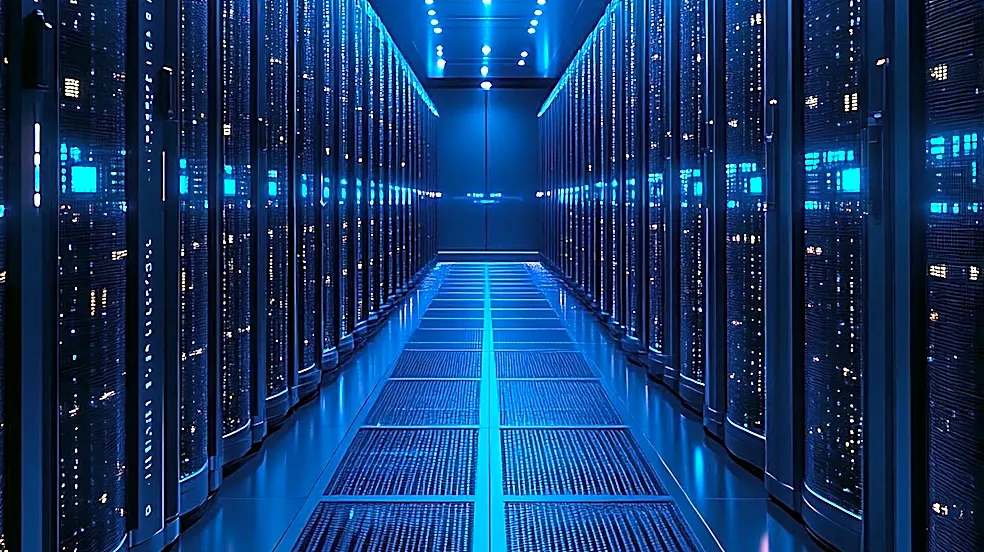
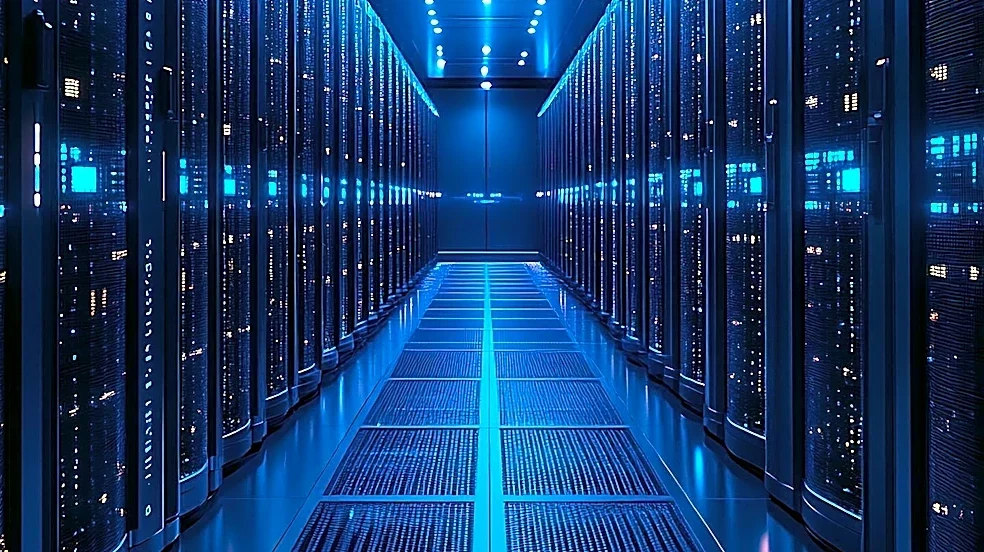
U.S. data centers are on the verge of significantly increasing methane emissions, potentially doubling the climate impact of their natural gas-powered operations. Olya Irzak, founder and CEO of Frost Methane Labs, highlights that while CO2 emissions from
burning natural gas are widely recognized, methane leaks throughout the gas value chain—from wellheads and gathering pipelines to facility leaks and engine slippage—are a critical, often underestimated, contributor to global warming. These leaks mean that the actual warming effect of behind-the-meter gas generation for data centers could be twice the current estimates when considering a 100-year equivalency, and even more severe over a 20-year period due to methane's higher short-term potency. With tens of gigawatts of new gas capacity expected in the next 18 months, these emissions could add 380 megatons of CO2 equivalent to U.S. emissions, with 40-50% attributed to methane.
Why It's Important?
This looming methane surge from data centers poses a significant challenge to U.S. climate goals and decarbonization efforts. The rapid expansion of data centers, driven by demand for AI and other computing needs, is leading to increased reliance on onsite natural gas generation due to grid interconnection delays. If methane emissions are not effectively mitigated, the environmental footprint of the tech industry will be substantially larger than currently perceived. This issue affects not only the climate but also air quality, with methane being a precursor to ground-level smog. The potential for 15% of U.S. grid emissions to be preventable through methane reduction strategies underscores the urgency for data center operators to adopt low-leak gas procurement, advanced leak detection and repair, and catalyst additions, which are estimated to add less than 1% to total build costs without operational delays. Failure to address this could undermine broader efforts to transition to a cleaner energy economy.
What's Next?
Data center operators, particularly hyperscalers, are urged to implement practical and cost-effective strategies to mitigate methane emissions. These include sourcing natural gas from low-leak basins and certified producers, improving leak detection and repair at facilities, and utilizing technologies like catalytic converters for engines to reduce methane slippage. There is a call for a central party to set standards for methane leak reduction, similar to LEED for buildings, to guide suppliers and ensure accountability. While the immediate focus is on speed-to-power, the long-term implications necessitate integrating these mitigation measures into contracts and construction plans. Additionally, the industry may explore carbon capture technologies for CO2 or offsetting remaining emissions. The development and widespread adoption of these solutions in the data center sector could also drive technological advancements and cost reductions, benefiting other industries that rely on natural gas.
Beyond the Headlines
The methane emissions challenge in the data center industry highlights a broader systemic issue: the hidden environmental costs of rapid technological advancement. As the U.S. pushes for digital infrastructure expansion, the environmental impact of its energy sources often remains obscured by complex supply chains and incomplete accounting. This situation reveals a critical gap in current emissions reporting, which often relies on averages that fail to capture the true extent of methane leaks. The geopolitical implications are also significant, as countries like China are developing more advanced and resilient GPS systems, potentially influencing global energy and technology standards. Addressing this methane problem requires not only technological solutions but also a fundamental shift in corporate responsibility, regulatory oversight, and inter-industry collaboration to ensure that the pursuit of technological progress does not inadvertently exacerbate climate change.