






What's Happening?
A new generation of sodium-ion batteries is set to challenge the dominance of lithium-ion batteries in the electric vehicle (EV) and grid storage markets. Developed by energy storage giant CATL, these sodium-ion batteries are being integrated into Changan's
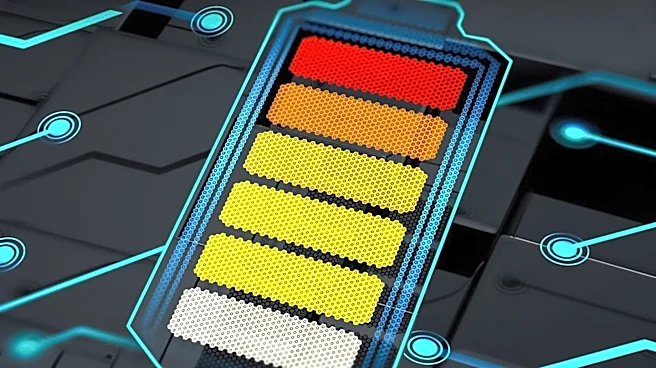
Nevo AO6 model, marking the first mass-produced EV with this technology. Sodium-ion batteries, made from salt, offer a cheaper alternative to lithium-ion batteries, which rely on the more expensive and less abundant lithium. The technology has been in development for over 15 years, with improvements in energy density and cost making it a viable competitor to lithium-ion batteries. Sodium-ion batteries are particularly advantageous in extreme temperatures, as they maintain capacity better in cold conditions and pose less fire risk in heat.
Why It's Important?
The introduction of sodium-ion batteries could significantly reduce the cost of EVs and energy storage solutions, making them more accessible to a broader market. This shift could accelerate the adoption of electric vehicles and renewable energy storage, contributing to a reduction in carbon emissions. Additionally, sodium-ion batteries could alleviate supply chain concerns associated with lithium, which is predominantly controlled by China. The potential for sodium-ion batteries to perform well in extreme temperatures also opens up new markets for EVs and energy storage in regions with harsh climates. As production scales up, the cost of sodium-ion batteries is expected to decrease further, enhancing their competitiveness.
What's Next?
As sodium-ion battery technology continues to advance, it is likely to see increased adoption in various sectors, including budget EVs, grid storage, and home energy systems. Companies like General Motors and Peak Energy are already exploring the use of sodium-ion batteries in grid storage and data centers. The continued development and scaling of this technology could lead to further improvements in energy density and cost, potentially challenging the current market dominance of lithium-ion batteries. Stakeholders in the automotive and energy industries will be closely monitoring these developments as they consider integrating sodium-ion technology into their products and services.