


What's Happening?
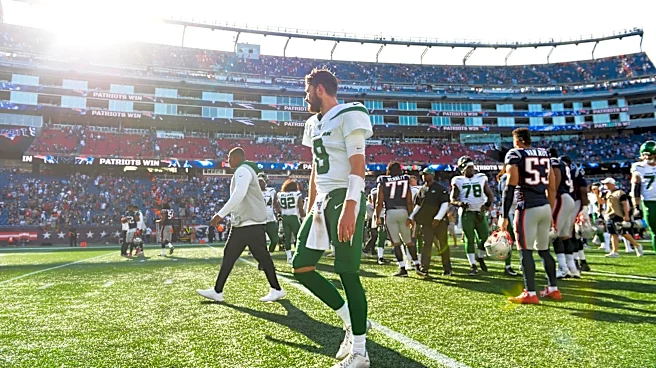
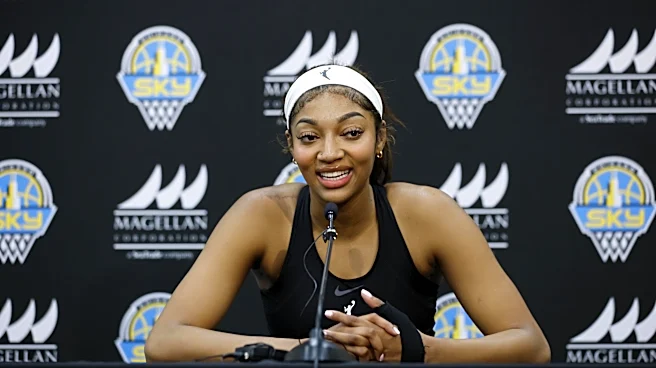
Shedeur Sanders, an NFL quarterback, has become the subject of a discourse that, according to OutKick, mirrors the discussions surrounding WNBA star Angel Reese, particularly concerning how criticism of their play often leads to accusations of racism.
The article argues that for both athletes, legitimate football or basketball criticism is frequently met with claims of racial bias from their supporters. For instance, questioning Sanders' decision-making or pre-draft interviews has been labeled as racist, similar to how critiques of Reese's offensive efficiency or comparisons to Caitlin Clark have been met with accusations of racial prejudice. This dynamic, as described by the source, creates an 'exhausting victimhood narrative' pushed by some devoted supporters, where any negative assessment is framed through a racial lens. Prominent sports media personalities have also contributed to this narrative, with some suggesting racial motivations behind Sanders' draft slide.
Why It's Important?
This phenomenon is significant for U.S. sports as it complicates the ability to conduct objective analysis and criticism of athletes, particularly those who are Black. When every critique is potentially framed as a racial attack, it can stifle open dialogue, hinder athlete development, and create a polarized environment within sports media and fan bases. For the NFL and WNBA, this dynamic can impact how players are evaluated, how narratives are formed around their careers, and how the leagues are perceived by the public. It also raises questions about the role of media personalities in shaping public discourse and the responsibility of fans to engage in constructive criticism rather than resorting to accusations of discrimination. This situation can ultimately detract from the focus on athletic performance and shift attention to broader social and racial issues, sometimes without sufficient evidence.
What's Next?
The ongoing trend of racial accusations in response to sports criticism will likely continue to challenge sports media, leagues, and fan communities. Media outlets may face increased pressure to navigate these sensitive topics carefully, potentially leading to more cautious or self-censored commentary. Leagues might need to address these issues through official statements or initiatives that promote respectful discourse. The debate could also prompt a re-evaluation of how sports figures and their supporters engage with criticism, encouraging a more nuanced understanding of the difference between legitimate analysis and discriminatory attacks. Social media platforms will remain central to these discussions, influencing public perception and potentially shaping the careers of athletes like Sanders and Reese.
Beyond the Headlines
Beyond the immediate sports context, this issue delves into deeper societal implications regarding race, identity, and public discourse in the U.S. It highlights how racial tensions can permeate various aspects of public life, including sports, and how easily discussions can become politicized. The article suggests that while actual racism deserves condemnation, the overuse of such accusations can dilute their impact and make it harder to address genuine instances of discrimination. It also raises questions about the responsibility of public figures and their fan bases in fostering a healthy environment for debate. The constant framing of athletic performance through a racial lens can inadvertently reduce athletes to symbols in a cultural war, rather than allowing them to be judged primarily on their skills and achievements. This dynamic can be detrimental to both the athletes and the integrity of sports commentary.