





What's Happening?
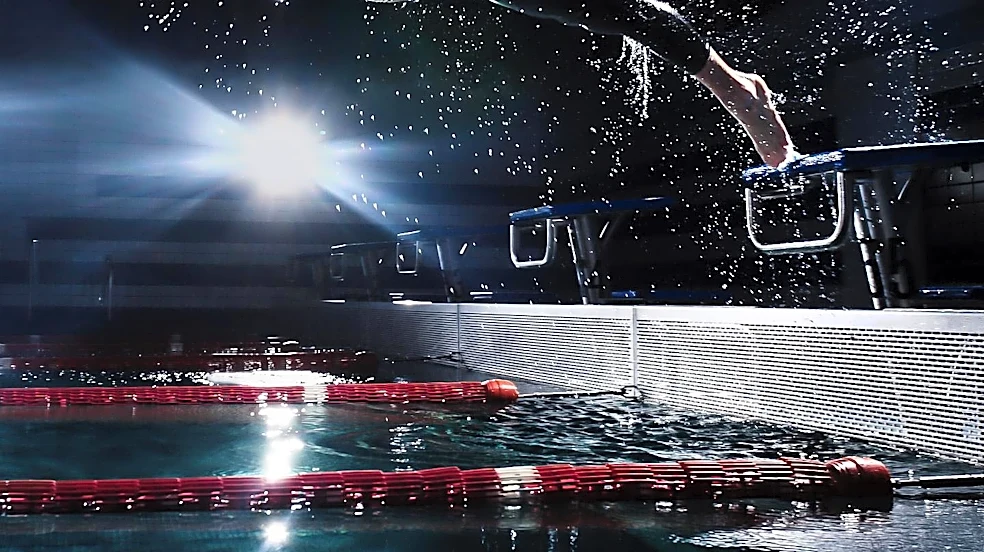
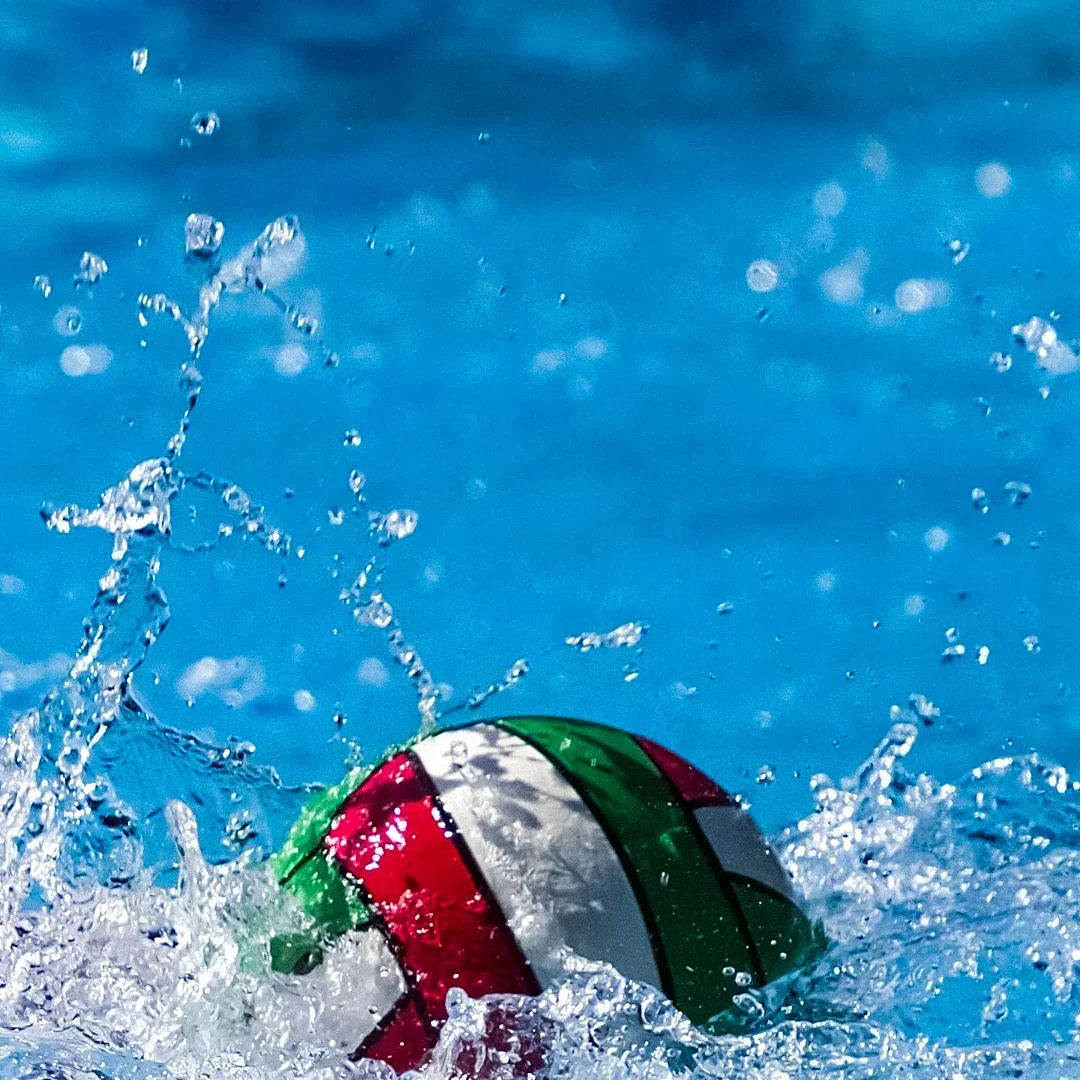
The University of Wisconsin-Eau Claire men's and women's swimming and diving teams recently participated in the MIAC vs. WIAC meet in Rochester, Minnesota. This event featured a unique format allowing student-athletes to compete alongside swimmers from
other schools within their respective conferences. The women's team delivered several strong individual performances. Anwen Smith secured first place in the 100-yard freestyle with a time of 53.52 seconds and took second in the 100-yard butterfly at 57.79 seconds. Ava Radtke won the 200-yard breaststroke in 2:27.04, while Amber Winter claimed first in the 100-yard breaststroke with a time of 1:06.45. Amanda Hyland led a sweep in the 500-yard freestyle, winning in 5:12.65, followed by teammates Emma Vogen and Megan Chapman. Vogen also won the 400-yard individual medley and placed second in the 200-yard butterfly. The men's team also achieved multiple victories, with Derek Stadheim winning both the 200-yard and 500-yard freestyle events. Drew Testin won the 50-yard and 100-yard freestyle, and Grant McElwain secured first in both the 100-yard and 200-yard backstroke. Emmett Botten won the 200-yard and 100-yard butterfly, and Henry Botten won the 200-yard individual medley.
Why It's Important?
This performance highlights the competitive strength and depth of the University of Wisconsin-Eau Claire's swimming and diving program within collegiate athletics. Strong showings at inter-conference meets like the MIAC vs. WIAC event are crucial for team morale, recruitment, and national recognition. For individual athletes, these competitions provide valuable experience, opportunities to set personal bests, and a platform to gain visibility for potential future athletic endeavors. The success of multiple swimmers across various events, including individual wins and top-three finishes, demonstrates a well-rounded program capable of developing talent in diverse swimming disciplines. This level of achievement can also positively impact the university's athletic reputation, potentially attracting more prospective student-athletes and enhancing the overall collegiate sports environment. Furthermore, the unique format of the meet, allowing competition across conferences, fosters a broader sense of community and sportsmanship within collegiate swimming.
What's Next?
Following their strong performance at the MIAC vs. WIAC meet, the University of Wisconsin-Eau Claire swimming and diving teams will likely continue their training and preparation for upcoming collegiate competitions. The individual successes of swimmers like Anwen Smith, Amber Winter, and Derek Stadheim will build momentum for the rest of their season. Coaches will analyze the results to identify areas of strength and opportunities for improvement, refining training strategies for both individual athletes and the team as a whole. These performances serve as benchmarks for future meets, including conference championships and potentially national qualifiers. Athletes will aim to maintain or improve their times and rankings, striving for peak performance in key events. The experience gained from competing in a unique inter-conference format will also contribute to the athletes' development and readiness for diverse competitive environments.
Beyond the Headlines
The success of collegiate athletic programs like the University of Wisconsin-Eau Claire's swimming and diving team extends beyond mere wins and losses. It fosters a culture of discipline, teamwork, and perseverance among student-athletes. The dedication required to excel in competitive swimming, balancing rigorous training with academic demands, instills valuable life skills. These athletes learn time management, goal setting, and resilience, which are transferable to their academic and future professional careers. The camaraderie developed within the team, as evidenced by the collective strong performances, builds a supportive community. Furthermore, the visibility gained through successful athletic programs can enhance the university's overall profile, attracting a diverse student body and fostering a sense of pride among alumni and the wider university community. Such events also contribute to the broader landscape of U.S. collegiate sports, promoting healthy competition and athletic development.