



What's Happening?
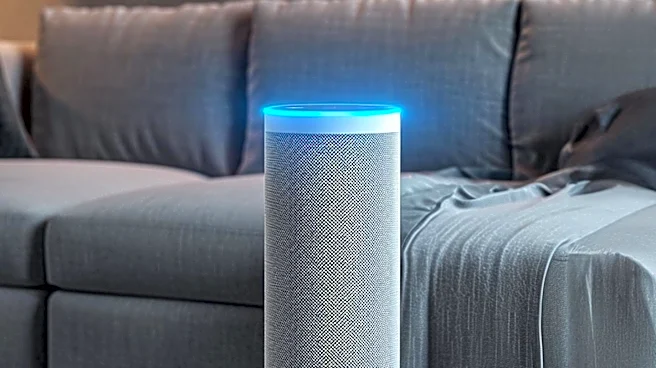
Smart home technology integration is enabling homeowners to seamlessly control various systems within their residences, particularly as seasons change. This integration allows for unified management of lighting, climate control, entertainment, security,
and motorized shades through a single button or voice command. For instance, a 'Cozy Mode' can simultaneously dim lights, lower shades, activate a fireplace, and adjust the thermostat for cooler fall evenings. Similarly, a 'Goodnight' or 'Away' scene can secure the home by turning off lights, locking doors, and activating security systems. Experts from Systems Design & Integration (SDI Boston), Elite Media Solutions, and SimpleHome emphasize that the goal of such integrated systems is to simplify daily life by having technology work cohesively in the background. This approach extends to seasonal check-ups, ensuring that all systems, including networks and remote monitoring devices, are updated and functioning optimally for increased time spent indoors during colder months.
Why It's Important?
The increasing adoption of smart home integration holds significant importance for U.S. homeowners by enhancing convenience, energy efficiency, and security. By consolidating control over multiple devices, these systems reduce the complexity of managing individual components, allowing residents to create personalized environments with minimal effort. This can lead to improved comfort and peace of mind, especially with features like automated security and remote monitoring for unoccupied properties. Furthermore, integrated climate control and lighting systems can optimize energy consumption by adjusting temperatures and light levels based on occupancy and natural light availability, potentially leading to cost savings. The emphasis on seasonal adjustments also highlights a growing trend in the smart home market towards adaptive and responsive living spaces, catering to changing lifestyle needs throughout the year. This technological shift benefits both consumers seeking simplified home management and businesses in the smart home industry, driving innovation and market growth.
What's Next?
As smart home technology continues to evolve, the focus will likely remain on improving interoperability and user experience. Future developments may include more sophisticated AI-driven automation that anticipates homeowner needs and preferences, further reducing manual intervention. The industry is expected to see continued advancements in device compatibility, allowing a wider range of products from different manufacturers to integrate seamlessly. Homeowners can anticipate more personalized and predictive systems that learn from their habits and environmental conditions. Additionally, the demand for robust and secure networks to support these integrated systems will grow, prompting innovations in home network infrastructure. Professional installation and consultation services for smart home integration are also likely to expand, as consumers seek expert guidance to navigate the complexities of setting up and maintaining these advanced systems.
Beyond the Headlines
Beyond the immediate benefits of convenience and efficiency, the widespread integration of smart home technology raises deeper implications concerning data privacy and cybersecurity. As more personal data is collected and processed by interconnected devices, ensuring the security of these systems against cyber threats becomes paramount. There's also a subtle shift in the relationship between individuals and their living spaces, where homes become more responsive and adaptive, potentially influencing daily routines and behaviors. The ethical considerations around continuous monitoring and data usage by smart home devices will become increasingly relevant, prompting discussions about regulations and industry standards. Culturally, the 'smart home' is transforming from a luxury concept to a more accessible and expected feature, reshaping expectations for modern living and potentially influencing real estate values and design trends.