




What's Happening?
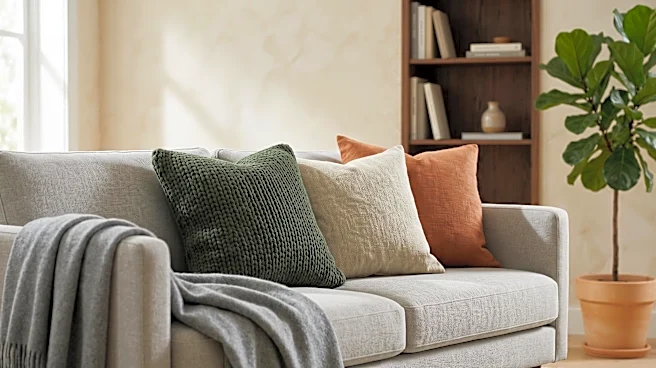
Designing a studio apartment effectively requires a focus on optimizing limited space to create a functional and aesthetically pleasing living environment. Key strategies include adopting a cohesive color palette, particularly for bedding, to integrate
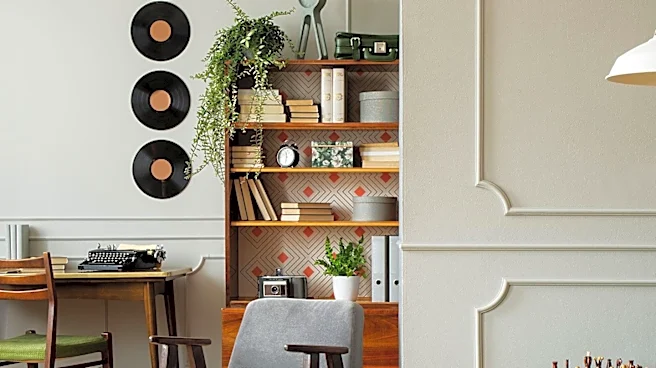
the sleeping area with the rest of the room. Maximizing vertical space is crucial, utilizing tall, space-efficient furniture that draws the eye upwards and provides ample storage without cluttering the floor. A minimalist approach is recommended to prevent visual clutter, and maintaining a light and neutral color palette helps enhance the sense of spaciousness by reflecting natural light. To manage storage, implementing a 'one-in-one-out' system ensures that new items are only brought in when an old one is removed, preventing the gradual accumulation of clutter. This approach transforms a small living area into an organized and inviting sanctuary, balancing daily life needs with the realities of a compact floor plan.
Why It's Important?
The efficient design of studio apartments is increasingly important in urban areas across the U.S. where living spaces are often compact and expensive. By applying smart design principles, residents can significantly improve their quality of life, making small apartments feel more spacious and functional. This trend impacts the real estate market by making smaller units more desirable and livable, potentially influencing rental and purchase decisions. For industries, it drives innovation in furniture design, promoting multi-functional and space-saving solutions. Furthermore, it encourages a minimalist lifestyle, which can have broader societal impacts by reducing consumption and promoting mindful living. The ability to create distinct zones for sleeping, working, and dining within a single room enhances productivity and well-being, addressing the challenges of remote work and urban living.
What's Next?
The continued demand for efficient studio apartment design is likely to spur further innovation in interior design and furniture manufacturing. We can expect to see more modular furniture, smart storage solutions, and integrated technology designed specifically for compact living spaces. Architects and designers will continue to explore creative ways to maximize natural light and visual flow in small footprints. Additionally, the market for home organization products tailored to studio apartments is expected to grow, offering residents more tools to maintain clutter-free environments. Educational resources and online platforms providing design tips for small spaces will also become more prevalent, empowering individuals to optimize their living situations. The emphasis on sustainability and minimalist living will likely reinforce these trends, pushing for designs that are both practical and environmentally conscious.
Beyond the Headlines
Beyond the immediate benefits of improved living conditions, the focus on studio apartment design reflects a broader cultural shift towards urbanization and more sustainable living. The necessity of optimizing small spaces encourages creativity and resourcefulness, challenging traditional notions of home size and ownership. This movement can foster a greater appreciation for intentional living, where every item serves a purpose and contributes to a harmonious environment. Ethically, it promotes responsible consumption and reduces waste by encouraging a 'one-in-one-out' system and multi-functional items. Culturally, it may lead to a redefinition of luxury, shifting from large, sprawling homes to well-designed, efficient, and personalized compact spaces. This trend also highlights the psychological benefits of an organized and uncluttered environment, contributing to mental well-being in increasingly dense urban settings.