

What's Happening?
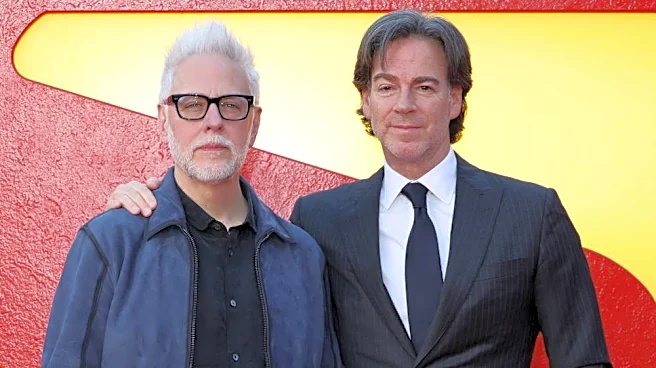
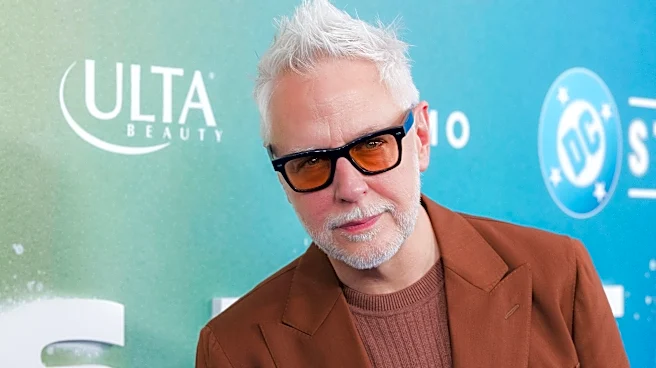
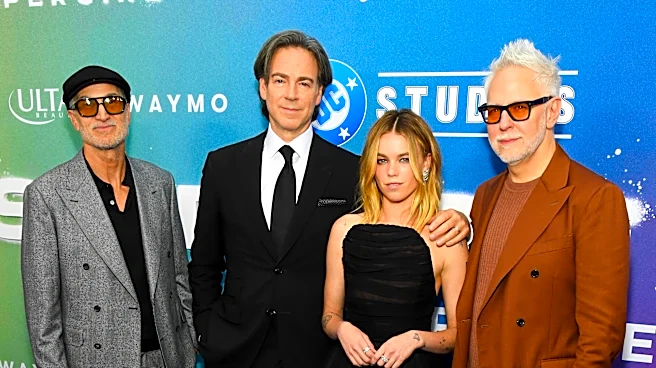
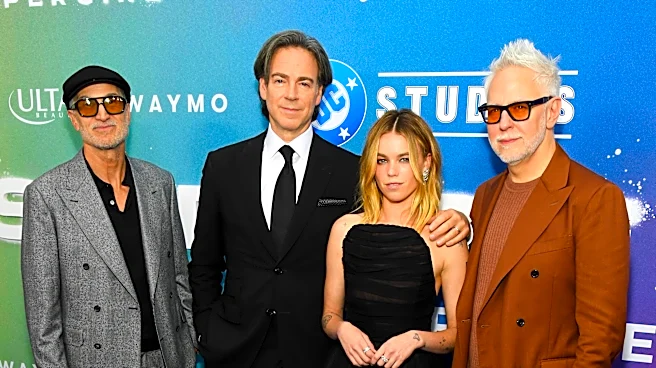
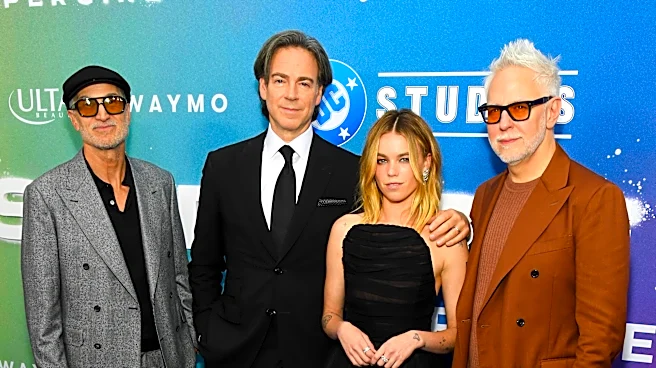
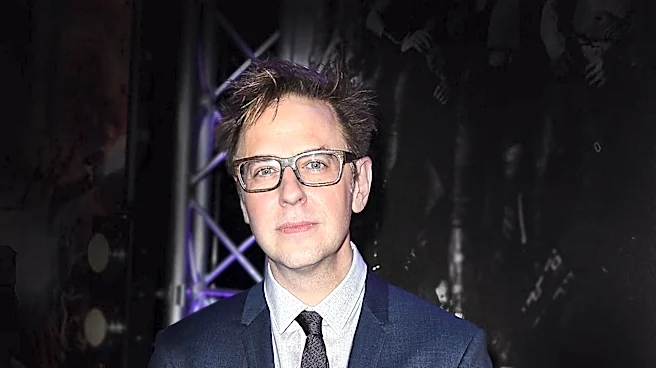
James Gunn, director of 'Superman' and co-head of DC Studios, has been fired after a four-year tenure, a move that has shocked many and raised significant questions about the future of the DC cinematic universe. Gunn, alongside Peter Safran, was tasked
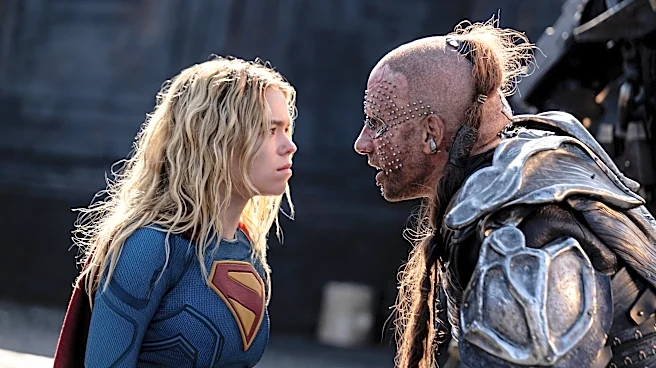
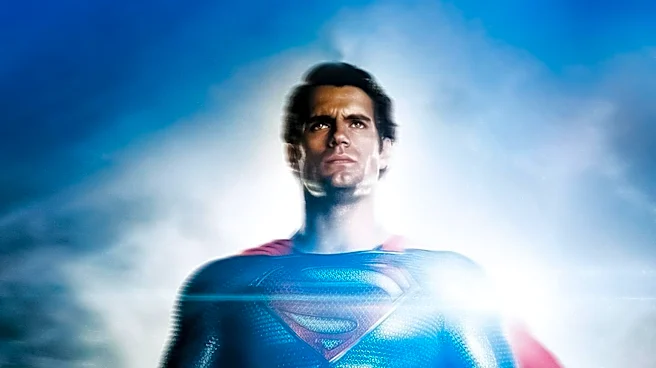
with masterminding a new DC cinematic universe, with his 'Superman' film formally launching this initiative. While his take on Superman was seen as refreshing and promising, other projects under his leadership, such as a 'Supergirl' adventure, were considered misfires. The dismissal occurred in the wake of the merger between Warner Bros., Paramount, and Skydance, suggesting a corporate restructuring played a role. This marks another instance of a DC regime being cut short before fully establishing its vision, continuing a pattern of inconsistency for the franchise.
Why It's Important?
The firing of James Gunn represents a significant setback for the DC cinematic universe, which has struggled for years to establish a cohesive and critically acclaimed interconnected series of films comparable to Marvel's success. Gunn's vision was seen by many as the most promising direction for DC, particularly his ability to capture the optimistic essence of Superman for a contemporary audience. His departure creates further instability and uncertainty, potentially leading to another creative overhaul and delaying the establishment of a consistent DC narrative. This constant cycle of 'destroy-and-rebuild' can alienate fans and make it difficult for the franchise to build momentum and long-term engagement. The decision also highlights the ongoing tension between creative leadership and corporate pressures, especially in the context of major mergers and financial restructuring.
What's Next?
The immediate future of the DC cinematic universe is now uncertain following James Gunn's departure. With a new leadership expected to take over, there will likely be another re-evaluation of existing projects and planned slates. This could lead to further delays, creative changes, or even cancellations of projects that were in development under Gunn's guidance. The challenge for the new leadership will be to quickly establish a clear and compelling vision that can unite the fanbase and deliver consistent box office success. The ongoing success of standalone DC properties like Matt Reeves and Robert Pattinson's 'The Batman' universe may influence future strategies, potentially leading to a more diversified approach rather than a strictly interconnected universe. The studio will need to address the perception of instability and provide a clear path forward to regain audience confidence.
Beyond the Headlines
The repeated failures to establish a stable and successful DC cinematic universe, despite numerous attempts by various creative teams, points to deeper systemic issues within the studio's approach to its intellectual property. Unlike Marvel, which built its universe methodically, DC has often been characterized by reactive decisions and a lack of long-term strategic consistency. This ongoing struggle raises questions about the corporate culture and decision-making processes that have plagued the franchise for years. The constant churn of creative talent and visions not only impacts the quality and coherence of the films but also reflects a broader industry challenge in managing beloved franchises in an increasingly competitive and financially driven market. The inability to sustain a creative vision can lead to franchise fatigue and a diminished cultural impact for iconic characters.