





What's Happening?
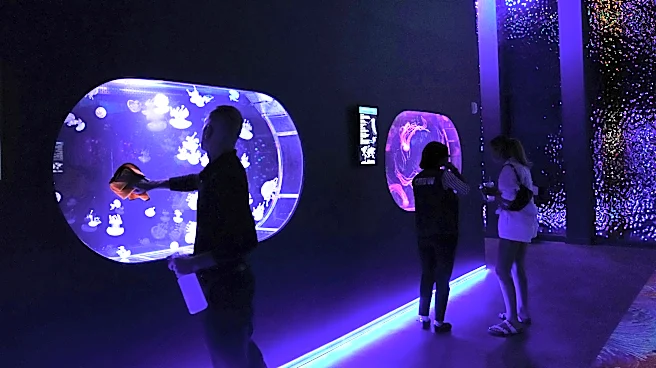
A new museum in Pompano Beach, Florida, has opened its doors, becoming what is believed to be the first facility in the U.S. dedicated entirely to jellyfish. The nearly 10,000-square-foot museum houses approximately 20 unique species of jellyfish across
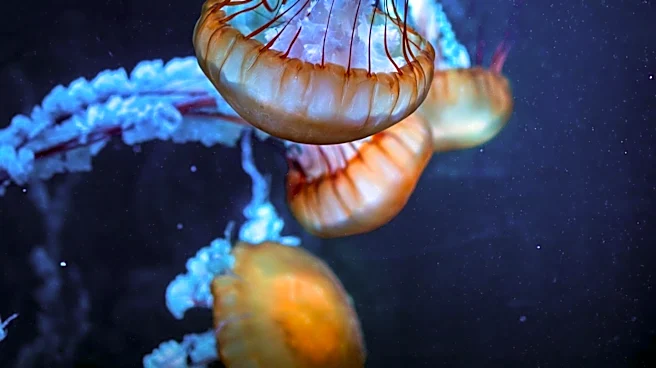
21 different display tanks. Founded by Ukrainian aquarium developers, the museum aims to mesmerize visitors with these ancient sea creatures, which have inhabited oceans for over 500 million years, predating dinosaurs and trees.
Why It's Important?
This unique museum in Florida represents a significant addition to the U.S. educational and tourism landscape. By focusing exclusively on jellyfish, it offers a specialized platform for marine education and conservation, potentially raising public awareness about these often-misunderstood creatures and their role in marine ecosystems. For the U.S. tourism industry, it provides a novel attraction that could draw visitors to Pompano Beach, contributing to the local economy. The museum's establishment also highlights the growing trend of niche attractions that cater to specific interests, enriching the cultural and recreational offerings available to the public. Furthermore, the involvement of Ukrainian developers underscores international collaboration in creating unique U.S. attractions.
What's Next?
The jellyfish museum in Pompano Beach will likely focus on attracting visitors, developing educational programs, and potentially expanding its collection of species. Its success could inspire the creation of similar specialized marine life exhibits in other parts of the U.S., fostering a greater appreciation for diverse aquatic ecosystems. The museum may also engage in research or conservation efforts related to jellyfish, contributing to scientific understanding and protection of these ancient creatures. Its unique status as the first of its kind in the U.S. will likely generate significant media attention, further boosting its profile and visitor numbers.
Beyond the Headlines
Beyond its immediate appeal as a tourist attraction, the jellyfish museum offers a deeper exploration into the biological and ecological significance of these ancient organisms. Jellyfish play crucial roles in marine food webs and are indicators of ocean health. By showcasing their diversity and unique characteristics, the museum can foster a sense of wonder and responsibility towards marine conservation. It also touches upon the intersection of art and science, as the mesmerizing displays often evoke aesthetic appreciation. The museum's existence reflects a broader societal interest in understanding and preserving the natural world, and its specialized focus could lead to new insights into marine biology and the challenges facing ocean ecosystems.