







What's Happening?
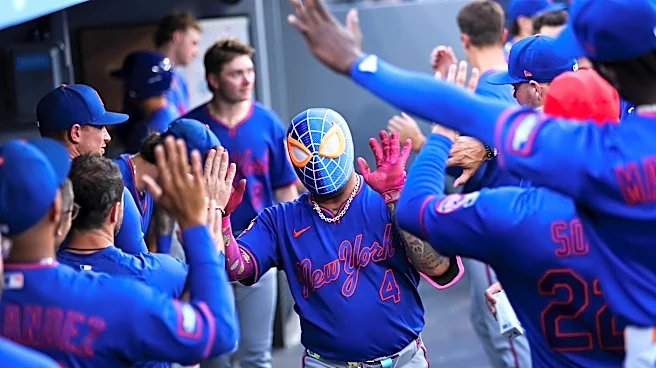
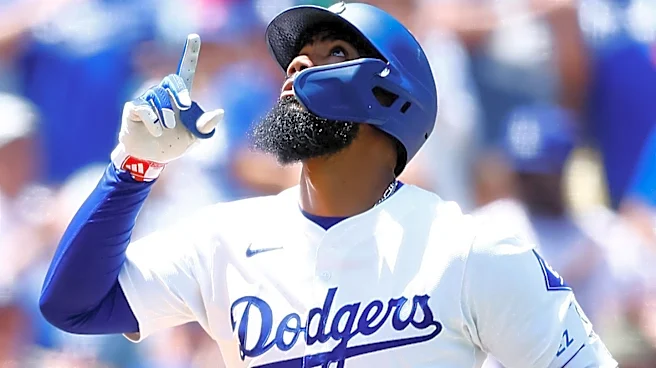
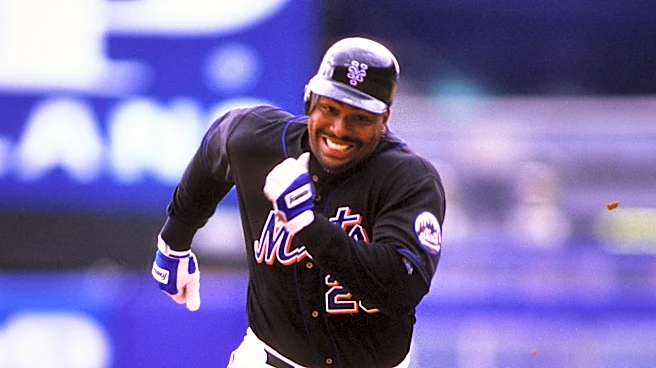
Bobby Bonilla Day, celebrated annually on July 1, marks the New York Mets' deferred payment to former player Bobby Bonilla. This arrangement, which began in 2000, has become a symbol of deferred salary contracts in Major League Baseball (MLB). The Los
Angeles Dodgers played a role in this trend by trading Bonilla to the Mets, who agreed to defer $5.9 million of his contract, resulting in annual payments of $1.19 million until 2035. This practice has influenced other teams, with deferred salaries becoming a common strategy to manage payrolls while attracting top talent.
Why It's Important?
The use of deferred salaries in MLB reflects broader financial strategies employed by teams to manage budgets and player contracts. This approach allows teams to allocate resources more flexibly, potentially enabling them to sign high-profile players without immediate financial strain. However, it also poses risks, as long-term financial commitments can impact future budgets. The trend, exemplified by Bonilla's contract, highlights the evolving nature of sports management and financial planning in professional baseball, influencing how teams structure contracts and manage player relations.
Beyond the Headlines
Deferred salary agreements, like Bonilla's, underscore the importance of financial acumen in sports management. These contracts can offer players financial security post-retirement, but they also require careful negotiation to ensure mutual benefits. The trend raises questions about the sustainability of such practices and their impact on team dynamics and player motivation. As more teams adopt deferred salary strategies, the long-term implications for MLB's financial landscape and competitive balance will be significant, potentially reshaping how teams approach player contracts and financial planning.