






What's Happening?
Prebiotic sodas are gaining popularity as carbonated beverages that incorporate prebiotic fiber, often with reduced sugar content compared to conventional sodas. These drinks are designed to offer a soda-like taste while potentially supporting gut health.
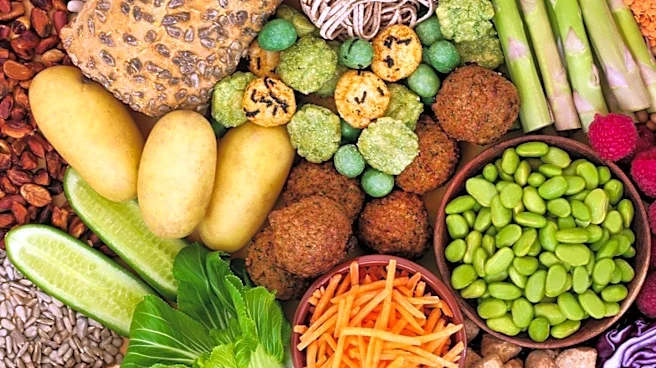
Prebiotics are a type of fiber that the human body cannot digest but serves as food for beneficial bacteria in the digestive system. This nourishment helps maintain a healthy digestive tract. Naturally occurring prebiotics can be found in foods such as bananas, garlic, onions, asparagus, and whole grains. While prebiotic sodas can contribute to a healthy diet, they should not be considered the primary source of fiber. Consumers are advised to check sugar content and ingredient lists, looking for common prebiotic ingredients like inulin and fructooligosaccharides (FOS). Researchers are continuing to study the extent of their benefits for gut health and their long-term effects.
Why It's Important?
The rise of prebiotic sodas reflects a growing consumer interest in functional foods and beverages that offer health benefits beyond basic nutrition. This trend is particularly significant in the U.S. market, where there's an increasing awareness of gut health and its impact on overall well-being. For the beverage industry, this represents an opportunity to innovate and cater to health-conscious consumers, potentially shifting market share away from traditional sugary drinks. Companies that successfully integrate prebiotics into appealing products could see substantial growth. However, the emphasis on reading labels and not solely relying on these sodas for fiber highlights a critical aspect of consumer education and responsible marketing. The ongoing research into their long-term benefits will be crucial in shaping public perception and regulatory guidelines, influencing how these products are positioned and consumed in the broader health and wellness landscape.
What's Next?
As research into prebiotic sodas continues, consumers can expect more clarity on their specific health benefits and long-term impacts. This ongoing scientific inquiry will likely influence marketing claims and potentially lead to more refined product formulations. The market may see an increase in diverse prebiotic ingredients and combinations as manufacturers seek to differentiate their products and cater to various dietary needs and preferences. Regulatory bodies might also develop more specific guidelines for labeling and health claims related to prebiotic beverages, ensuring transparency and preventing misleading advertising. Furthermore, as consumer awareness grows, there could be a greater demand for products that offer a balance of taste, health benefits, and clear nutritional information, pushing the industry towards more innovative and evidence-based product development.
Beyond the Headlines
The emergence of prebiotic sodas signifies a broader cultural shift towards proactive health management and a deeper understanding of the human microbiome. This trend extends beyond just beverages, influencing the entire food industry to incorporate functional ingredients. The challenge lies in balancing the appeal of convenience and taste with genuine health benefits, avoiding the trap of 'healthwashing' where products are marketed as healthy without substantial evidence. This development also raises ethical considerations regarding consumer education, particularly in distinguishing between a supplementary health product and a foundational dietary component. The long-term success and societal impact of prebiotic sodas will depend on their ability to genuinely contribute to public health, supported by robust scientific evidence and transparent communication, rather than merely capitalizing on health trends.