






What's Happening?
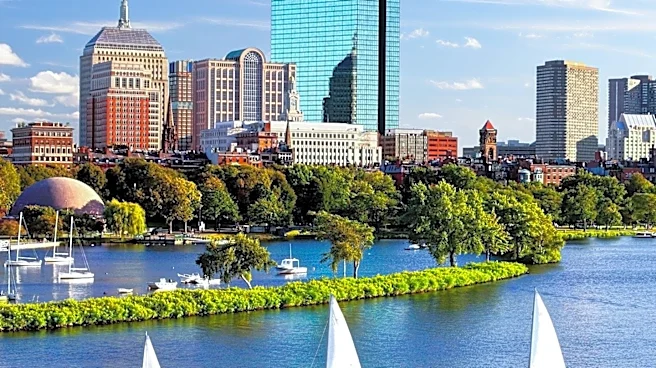
The Canopy by Hilton Boston Downtown is highlighted as a convenient accommodation option for visitors to Boston, Massachusetts. Located between the downtown area and the historic North End, the hotel provides easy access to several prominent city landmarks.
Guests can walk to Faneuil Hall, Quincy Market, and TD Garden. The hotel also offers complimentary Canopy Bikes for registered guests, facilitating exploration of the city. Additionally, its proximity to Boston's subway system, known as the T, allows for convenient travel to various neighborhoods, including Beacon Hill and Fenway Park. The article suggests that Boston offers a range of Hilton properties to suit different itineraries and budgets, with other recommended options including Pennyweight Hotel Boston, Curio Collection by Hilton; Hilton Boston Park Plaza; and Hampton Inn Boston Seaport District. This information is presented within the context of a New England coastal road trip itinerary, emphasizing how travelers can earn Hilton Honors points through their stays and other expenditures.
Why It's Important?
The strategic location of hotels like Canopy by Hilton Boston Downtown is crucial for the U.S. tourism and hospitality industry, particularly in major metropolitan areas like Boston. By offering direct access to key attractions such as Faneuil Hall and Quincy Market, these establishments enhance the visitor experience, potentially increasing tourist footfall and spending in local businesses. The availability of amenities like complimentary bikes and proximity to public transportation further boosts the appeal, catering to travelers seeking convenience and alternative modes of exploration. This contributes to the economic vitality of the city by supporting local restaurants, shops, and cultural sites. For hotel chains like Hilton, such properties are vital for maintaining market share and attracting loyalty program members, as highlighted by the mention of earning Hilton Honors points. The ease of access to historical and entertainment venues can also influence repeat visits and positive word-of-mouth, which are significant drivers for the tourism sector.
What's Next?
As the U.S. travel industry continues to evolve, hotels in prime locations like the Canopy by Hilton Boston Downtown will likely continue to focus on enhancing guest experiences through amenities and strategic partnerships. Future developments could include further integration with local attractions, offering curated experiences or exclusive discounts for guests. The emphasis on loyalty programs, such as Hilton Honors, suggests a continued effort to incentivize direct bookings and repeat business. We may see more hotels adopting eco-friendly transportation options like complimentary bikes, aligning with growing traveler preferences for sustainable tourism. Additionally, as urban centers adapt to changing travel patterns, hotels might explore flexible booking options and enhanced health and safety protocols to cater to evolving guest expectations. The ongoing competition within the hospitality sector will likely drive continuous innovation in services and offerings to attract and retain travelers.
Beyond the Headlines
The prominence of hotels like Canopy by Hilton Boston Downtown underscores a broader trend in urban development and tourism: the integration of hospitality with local culture and historical sites. This approach moves beyond mere accommodation, positioning hotels as gateways to authentic city experiences. The mention of Faneuil Hall and Quincy Market highlights the enduring appeal of historical marketplaces and public spaces in American cities, serving as both tourist attractions and community hubs. This trend reflects a desire among travelers for immersive experiences that connect them with the unique character of a destination. Furthermore, the emphasis on loyalty programs and earning points speaks to the sophisticated strategies employed by the hospitality industry to foster brand loyalty and capture a larger share of consumer spending. This intertwining of travel, commerce, and cultural exploration shapes how cities present themselves to the world and how visitors engage with them.