






What's Happening?
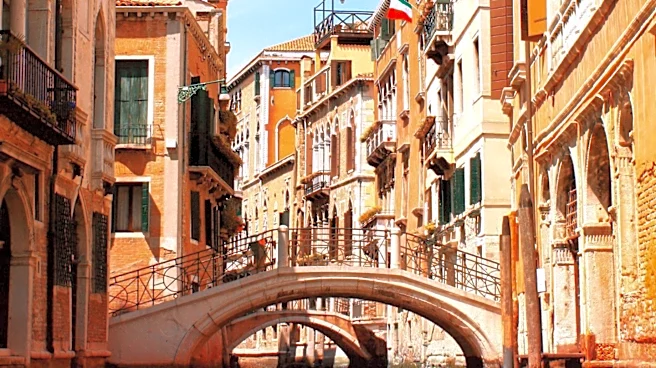
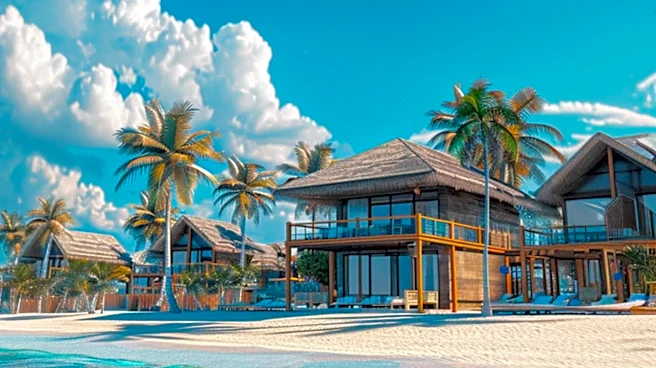
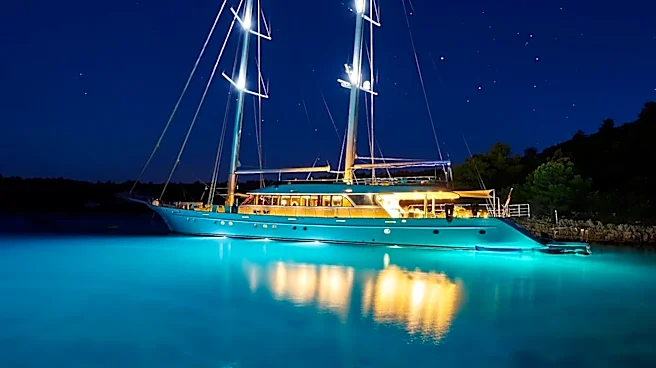
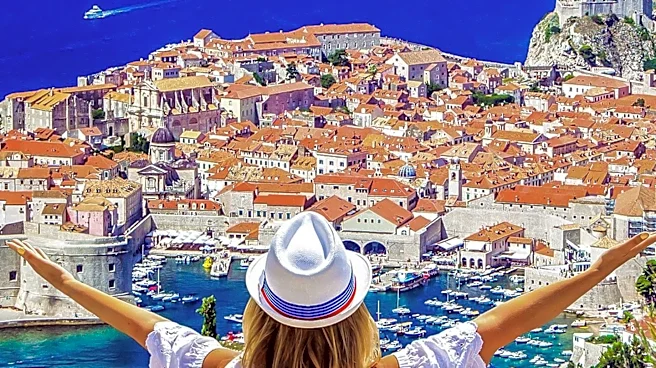
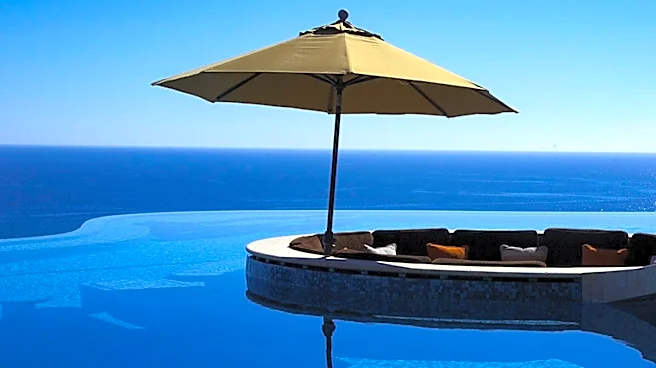
Europe's luxury travel market is experiencing significant growth, with popular destinations including the Amalfi Coast, French Riviera, Monaco, St. Moritz, Ibiza, and the Greek Islands. These locations offer distinct high-end experiences such as cliffside
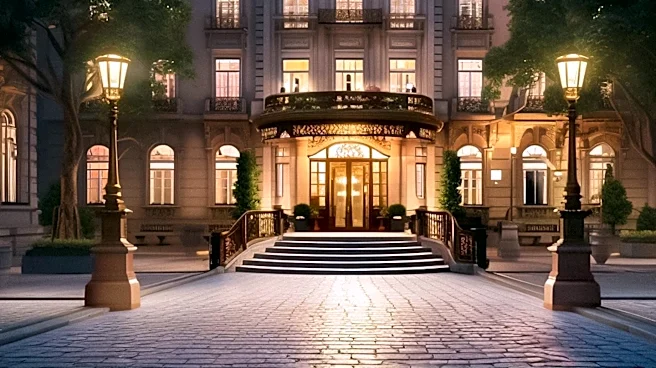
resorts, private yachts, luxury beaches, skiing, and wellness retreats. The Greek islands, specifically Santorini, Mykonos, Paros, and Crete, are particularly sought after for private villa stays, sailing holidays, cultural tourism, gastronomy, and wellness travel. The sector is moving beyond traditional five-star hotels, with modern luxury travelers increasingly seeking private experiences, authentic cultural encounters, premium dining, and exclusive access to iconic locations. This shift reflects a demand for more meaningful and memorable journeys, combining Europe's rich heritage, diverse landscapes, and renowned hospitality.
Why It's Important?
The evolution of Europe's luxury travel market towards sustainability and personalized experiences signifies a broader trend in the global tourism industry. This shift impacts U.S. travelers by offering more tailored and environmentally conscious options for high-end vacations. For U.S. businesses in the travel and hospitality sectors, this trend highlights the importance of adapting to changing consumer preferences, focusing on unique experiences, and integrating sustainable practices to remain competitive. The emphasis on private travel and wellness tourism also presents opportunities for specialized U.S. travel agencies and tour operators to cater to this growing demand. Furthermore, the increasing popularity of less-known destinations like Paros and Crete among luxury travelers suggests a diversification of preferred locations, potentially influencing travel patterns and investment in emerging luxury markets.
What's Next?
The future of Europe's luxury tourism market is projected to continue its evolution with a strong emphasis on sustainability, privacy, and personalized experiences. Key growth areas will include the development of eco-friendly luxury resorts, expansion of private travel options, and further integration of wellness tourism and slow travel concepts. Cultural immersion and exclusive island and coastal escapes are also expected to remain central to the luxury offering. This trajectory suggests that travel providers will increasingly need to innovate to meet the demand for bespoke itineraries and authentic local experiences. Stakeholders, including luxury hotel chains, private tour operators, and destination management organizations, will likely invest in sustainable infrastructure and personalized service models to cater to the discerning luxury traveler.
Beyond the Headlines
The shift in Europe's luxury travel market towards sustainability and personalized experiences reflects a deeper societal value change, where conscious consumption and authentic engagement are becoming paramount. This trend extends beyond mere indulgence, touching upon ethical considerations regarding environmental impact and cultural preservation. The demand for eco-friendly resorts and cultural immersion indicates a growing awareness among affluent travelers of their footprint and a desire for more profound connections with their destinations. This could lead to a redefinition of luxury, moving from ostentatious displays to experiences that offer enrichment, well-being, and a positive impact. The long-term implications could include greater investment in local communities, preservation of natural landscapes, and a more responsible approach to tourism development across Europe and potentially globally.