



What's Happening?
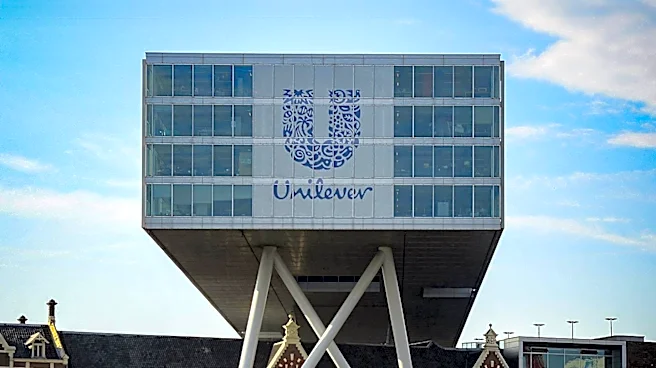
Several significant food and beverage industry deals, including McCormick's merger with Unilever Foods, are slated for completion in 2027. The McCormick-Unilever Foods transaction, valued at $15.70 billion in cash from McCormick to Unilever, is targeted
for mid-2027. This deal aims to give McCormick global scale in sauces, seasonings, and condiments, while leaving Unilever as a pure health, beauty, and personal care group with €39 billion in fiscal 2025 revenue. Other major transactions include Sysco's $29.1 billion acquisition of Jetro Restaurant Depot, expected to close by the end of its fiscal third quarter in 2027, and Keurig Dr Pepper's planned two-way split, slated for early 2027. These deals, along with The Coca-Cola Company's $10 billion U.S. infrastructure investment through 2030, represent a substantial reshaping of the food and beverage landscape, with FNBX ranking McCormick's merger with Unilever's Foods business as the top transaction of 2026.
Why It's Important?
These large-scale mergers, acquisitions, and corporate separations are highly significant for the U.S. food and beverage industry. The McCormick-Unilever Foods merger, for instance, will create a combined entity with approximately $20 billion in annual revenue, impacting competition and supply chains for sauces, seasonings, and condiments across the U.S. Sysco's acquisition of Jetro Restaurant Depot will expand its reach in the foodservice distribution sector, potentially altering market dynamics for independent restaurants and foodservice buyers. Keurig Dr Pepper's split will create two distinct U.S.-listed companies, affecting the North American refreshment beverage and global coffee markets. For suppliers of ingredients, packaging, and equipment, these changes mean new procurement structures and potential shifts in business relationships. The consolidation and specialization seen in these deals could lead to increased efficiency, but also raise concerns about market concentration and its impact on smaller businesses and consumer choice in the U.S.
What's Next?
The immediate next steps involve navigating regulatory clearances, particularly for the McCormick-Unilever Foods merger, which faces scrutiny from authorities like the UK Competition and Markets Authority regarding potential impacts on competition in dry ingredient mixes and dry sauces. For companies involved, the focus will be on integrating operations, streamlining supply chains, and realizing the strategic benefits of these transactions. Suppliers to these entities will need to proactively engage with their counterparts to understand how contracts, vendor masters, and payment terms will be handled post-merger or separation. The coming year will be crucial for observing how these newly formed or restructured companies perform, how they impact market competition, and whether they achieve their stated goals of increased efficiency and market focus. The Coca-Cola Company's ongoing $10 billion investment in U.S. infrastructure will also continue to unfold, creating opportunities for construction and equipment suppliers.
Beyond the Headlines
Beyond the immediate financial and operational aspects, these deals reflect a broader trend of strategic realignment within the global food and beverage industry, with significant implications for the U.S. market. The emphasis on specialization, as seen with Unilever becoming a pure health, beauty, and personal care group, and Keurig Dr Pepper's split, suggests a move away from diversified conglomerates towards more focused business models. This could lead to increased innovation within specific categories but might also reduce cross-sector synergies. The deals also highlight the ongoing importance of scale and global reach in a competitive market. Furthermore, the regulatory scrutiny on these mergers underscores the growing concern over market concentration and its potential effects on competition and consumer welfare. This trend could influence future M&A activity, pushing companies to consider not just financial gains but also the broader societal and competitive impacts of their strategic decisions.