







What's Happening?
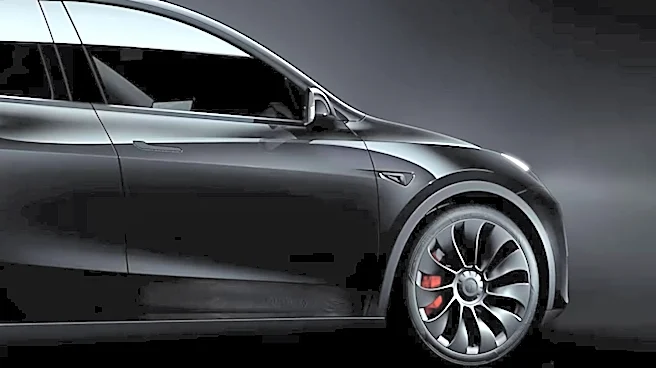
The Tesla Model Y has been named the most reliable electric vehicle by Consumer Reports, marking a significant turnaround from its earlier years when it scored poorly on reliability. The 2026 model, which is a redesign, has received a predicted reliability score in the low
80s. This score is based on limited data from the past one to two years and heavily relies on Tesla's overall brand reliability. The Model Y's improvement is supported by owner surveys from 2023 to 2025, which highlight enhanced build quality and powertrain durability. However, the predicted score for the 2026 model is largely speculative, as it is based on a short data window and Tesla's brand reputation rather than extensive model-specific data.
Why It's Important?
The recognition of the Tesla Model Y as a reliable vehicle by Consumer Reports is significant for both Tesla and the electric vehicle market. It reflects Tesla's efforts to improve the quality and durability of its vehicles, which is crucial for maintaining consumer trust and market competitiveness. The Model Y's improved reliability could boost its sales and influence consumer perceptions of electric vehicles as a whole. However, the reliance on predicted scores rather than extensive ownership data highlights the challenges in assessing the reliability of newly redesigned models. This situation underscores the importance of ongoing consumer feedback and real-world performance data in shaping the reputation of electric vehicles.
What's Next?
As the 2026 Model Y is a redesigned vehicle, its true reliability will become clearer as more consumers purchase and use the car over time. Future owner surveys and real-world performance data will be critical in validating the predicted reliability score. Tesla will need to address any emerging issues, such as the relocation of the gear selector to the touchscreen, which could impact user experience and reliability. Additionally, the Model Y will face competition from other electric SUVs, and its ability to maintain a strong market position will depend on its performance and consumer satisfaction.
Beyond the Headlines
The reliance on predicted reliability scores raises questions about the accuracy and transparency of such ratings, especially for newly redesigned vehicles. This situation highlights the need for consumers to critically evaluate reliability scores and consider the broader context, including brand reputation and historical performance. The Model Y's case also illustrates the challenges faced by automakers in balancing innovation with reliability, as changes in design and technology can introduce new variables that affect vehicle performance.