


What's Happening?
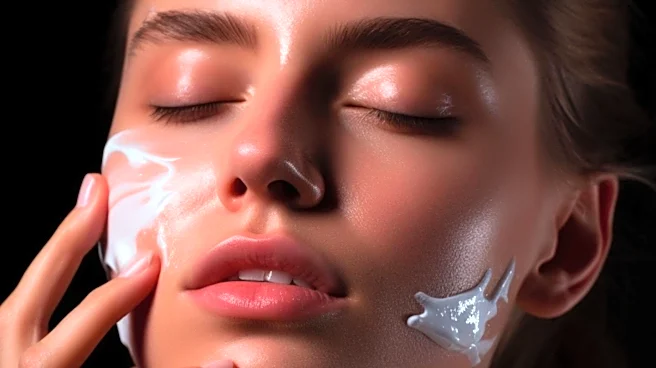
Korean skincare, often referred to as K-Beauty, is founded on the principle of prevention over cure, aiming for a 'Glass Skin' complexion characterized by smoothness, luminosity, and deep hydration. This philosophy is executed through a multi-step routine
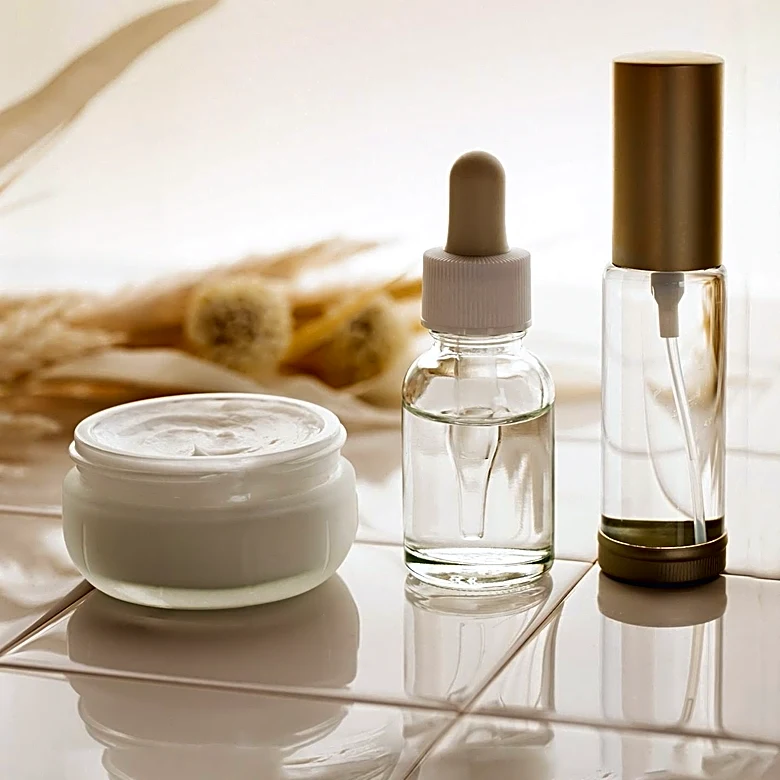
that involves layering various lightweight products, including double cleansing, toner, essence, serum, moisturizer, and sunscreen. Key strengths of K-Beauty include its focus on gradual moisture building through multiple layers, the incorporation of innovative ingredients such as rice water, peptides, snail mucin, micellar water, and marine collagen, and a wide price range that accommodates both affordable and high-end options. The formulas are typically lightweight, ensuring comfort for daily use without feeling heavy on the skin. This approach contrasts with European skincare, which generally focuses on targeted treatments for specific concerns like acne or pigmentation, utilizing clinically approved formulas with ingredients such as retinol, AHA/BHA acids, niacinamide, and hyaluronic acid.
Why It's Important?
The K-Beauty philosophy is important because it offers a comprehensive and proactive approach to skin health that has gained significant global traction, influencing beauty trends and product development worldwide. Its emphasis on prevention and consistent hydration can lead to long-term skin benefits, potentially reducing the need for more intensive corrective treatments later. The layered application method ensures that each product can deliver its specific benefits effectively, contributing to overall skin resilience and appearance. For consumers, the wide range of price points makes advanced skincare accessible to a broader demographic, while the lightweight formulations are particularly beneficial for those in humid or hot climates, or individuals who prefer a less heavy feel. The integration of innovative ingredients also pushes the boundaries of cosmetic science, offering new solutions for common skin concerns and promoting a holistic view of skin wellness.
What's Next?
The trend of combining Korean and European skincare approaches is gaining traction, particularly in challenging climates like Saudi Arabia, where intense heat and air conditioning can dehydrate the skin, and heavy sun exposure leads to pigmentation. Skincare specialists recommend a 'smart blend' routine: using Korean products for daily hydration and nourishment, and targeted European products for specific concerns like sun-related pigmentation. An optimal routine might involve Korean toner and essence for morning hydration, followed by Korean sunscreen. Evenings could include a European serum with retinol or niacinamide for pigmentation, and weekly use of a Korean hydrating mask alongside a European AHA exfoliant for cell renewal. This hybrid approach suggests a future where consumers selectively integrate products from different philosophies to create highly personalized and effective skincare regimens, moving beyond a one-size-fits-all model.
Beyond the Headlines
The global impact of K-Beauty extends beyond just product sales; it represents a cultural shift towards a more ritualistic and preventative approach to self-care. The concept of 'Glass Skin' has become an aspirational standard, driving innovation in ingredient science and product formulation across the beauty industry. This trend also highlights a growing consumer demand for transparency and education in skincare, as individuals seek to understand the 'why' behind their routines and the efficacy of specific ingredients. The blend of K-Beauty's gentle, hydrating methods with European clinical research signifies a sophisticated evolution in skincare, where consumers are empowered to curate routines that are not only effective but also tailored to their unique environmental and physiological needs. This cross-cultural exchange in beauty practices fosters a more informed and holistic understanding of skin health, emphasizing long-term wellness over quick fixes.