








What's Happening?
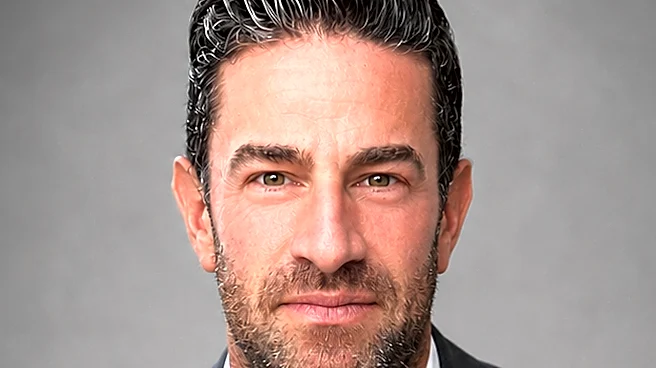
American Express (Amex) has announced the hiring of Jodi Richard as its new chief risk officer, effective January. Richard, who previously served as chief risk officer at U.S. Bancorp for eight years, will report directly to Amex CEO Stephen Squeri and
will be based in New York, joining Amex's management committee. This appointment comes as Amex addresses alleged deficiencies in its financial crimes risk-management program. Earlier this month, the Office of the Comptroller of the Currency (OCC) and the Federal Reserve issued cease-and-desist orders against Amex's banking arm, mandating improvements to its anti-money-laundering compliance program. The OCC also imposed a $350 million fine on Amex, citing 'systemic breakdowns' in its suspicious activity monitoring and reporting processes, which allegedly led to the company failing to report approximately $13 billion in suspected trade-based money laundering between 2014 and 2025. Richard will lead Amex's global risk organization, focusing on balancing innovation, growth, and disciplined risk management.
Why It's Important?
The appointment of a new chief risk officer is a critical move for American Express, particularly in light of the recent regulatory actions and significant fines. The OCC's findings of 'systemic breakdowns' in Amex's anti-money-laundering processes highlight a serious compliance issue that could impact the company's reputation and operational integrity. Richard's extensive experience, including her previous role as a national bank examiner for the OCC, positions her as a key figure in addressing these challenges. Her leadership will be crucial in restoring regulatory confidence and ensuring Amex's compliance with financial crime prevention standards. For the broader financial industry, this situation underscores the increasing scrutiny from regulators regarding anti-money-laundering efforts and the substantial penalties for non-compliance. It also emphasizes the importance of robust risk management frameworks for financial institutions to protect against illicit financial activities and maintain public trust.
What's Next?
Jodi Richard will officially assume her role as Amex's chief risk officer in January. Her immediate priorities will likely involve a comprehensive review and overhaul of Amex's financial crimes risk-management program to address the deficiencies identified by the OCC and the Federal Reserve. Amex CEO Stephen Squeri has stated the company's full commitment to addressing regulators' concerns and has already made 'substantial investments' in areas such as technology, governance, and training. Richard's leadership will be instrumental in implementing these improvements and ensuring ongoing compliance. The company will need to demonstrate tangible progress to the regulatory bodies to satisfy the terms of the cease-and-desist orders and avoid further penalties. Additionally, U.S. Bancorp will be searching for a permanent successor to Richard, with Troy Remington serving as interim chief credit officer.
Beyond the Headlines
The regulatory actions against American Express and the subsequent appointment of a new chief risk officer highlight a broader trend of increased regulatory pressure on financial institutions to combat financial crime. The alleged failure to report $13 billion in suspected trade-based money laundering points to the complex and evolving nature of financial crime, which often exploits global trade networks. This situation could prompt other financial institutions to re-evaluate their own anti-money-laundering systems and risk management practices to avoid similar regulatory scrutiny. The emphasis on 'balancing innovation, growth and disciplined risk management' by CEO Squeri also reflects the ongoing challenge for financial companies to leverage new technologies and expand services while maintaining stringent compliance and security measures. The ethical implications of failing to detect and report suspicious activities are significant, as such failures can inadvertently facilitate illicit financial flows that support criminal enterprises.