





What's Happening?
Freight rates for oil shipments from Russia's western ports to India have reached unprecedented levels in late October. This surge is attributed to ongoing risks in the Black Sea region, a scarcity of available vessels, and robust global demand for oil.
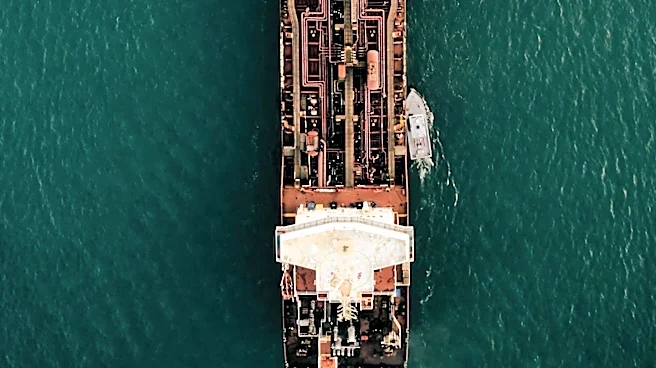
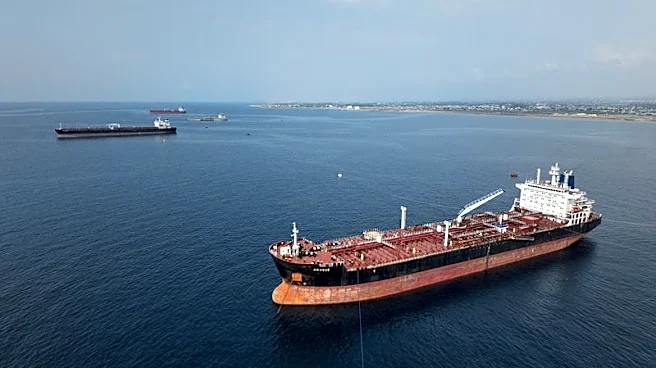
According to three trading and shipping sources, the cost of shipping Urals crude to India is now approximately $30 per barrel or more, a significant increase from around $20 in September. Specifically, the cost for a 100,000 metric tonne Aframax tanker from Russia's Baltic ports to western India is about $23 million for a one-way voyage, up from $13 million-$16 million in September. For Suezmax tankers, which can carry about 140,000 tonnes, the cost from the Black Sea to India has climbed to a record $30 million per one-way voyage, compared to approximately $19 million in September. These elevated freight costs are substantially impacting the profitability of Russian oil exporters, who are compelled to use longer and more expensive routes to deliver crude to Asian markets, primarily India and China, due to Western sanctions. Disruptions in the Black Sea, largely due to persistent drone attacks and war-related tensions, have caused considerable delays in oil exports since the summer.
Why It's Important?
The record-high freight rates for Russian oil shipments to India have significant implications for global energy markets and the profitability of oil exporters. For Russian oil companies, these increased shipping costs are eroding their profit margins, making their exports less competitive despite strong demand. This situation is a direct consequence of geopolitical tensions and Western sanctions, which have forced a reorientation of Russian oil trade routes towards Asia. The vessel shortage, exacerbated by disruptions in the Black Sea, further strains the logistics of oil transportation, contributing to higher operational costs for shippers. For India, a major importer of Russian crude, these elevated freight costs could translate into higher landed costs for oil, potentially impacting its domestic energy prices and overall economic stability. The situation highlights the fragility of global supply chains and how geopolitical events can rapidly alter economic dynamics, affecting both producers and consumers in distant markets. The upcoming winter season is expected to worsen these conditions, potentially leading to further increases in shipping costs.
What's Next?
The current trend of high freight rates for Russian oil is expected to persist, with the upcoming winter season likely to exacerbate the situation due to challenging weather conditions. This could lead to further complications in shipping and potentially higher costs. Oil sellers are reportedly seeking lower rates, but shipowners are reluctant to offer discounts, indicating a continued tight market for vessel availability and high demand for shipping services. The sustained high costs will likely continue to squeeze the profits of Russian oil exporters and could influence India's future crude oil procurement strategies. As geopolitical tensions in the Black Sea region remain, the disruptions to oil loadings are unlikely to ease in the short term. This ongoing pressure on shipping logistics and costs will necessitate continuous monitoring by market participants and could prompt adjustments in global oil trade flows and pricing mechanisms.
Beyond the Headlines
The sustained high freight rates for Russian oil underscore a broader shift in global energy geopolitics and trade. The rerouting of Russian crude to Asian markets, particularly India and China, due to Western sanctions, has fundamentally altered traditional shipping lanes and cost structures. This development highlights the increasing influence of non-Western markets in absorbing Russian energy exports and the complex interplay between political sanctions and economic realities. The reliance on longer, more hazardous routes, coupled with a shortage of suitable vessels, points to a structural change in the maritime oil trade. This could lead to long-term investments in new shipping capacities or alternative transportation methods, potentially reshaping the global energy infrastructure. Furthermore, the situation raises questions about the effectiveness of sanctions in achieving their intended political goals versus their unintended economic consequences, such as increased costs for importing nations and altered profit dynamics for exporting entities. The environmental impact of longer shipping routes and potential increased emissions also presents a less obvious but significant implication.