





What's Happening?
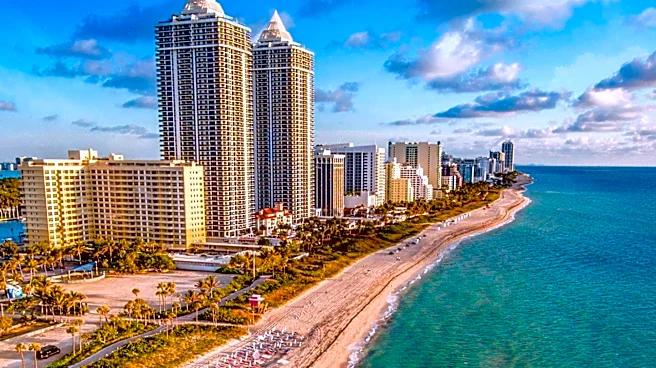
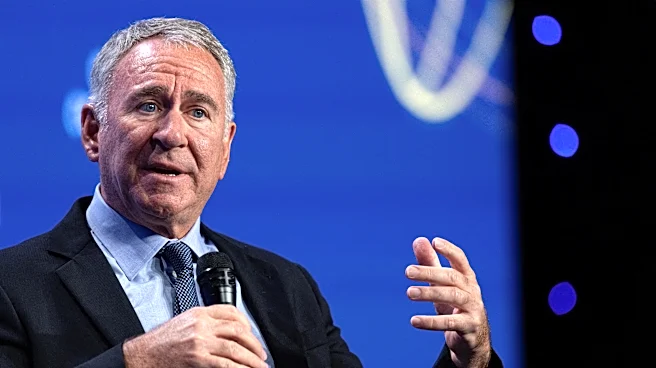
Billionaire developer Stephen Ross has partnered with Ken Griffin, founder of Citadel, to pledge $10 million towards a major business marketing campaign for Miami. This initiative is being created through The Florida Council of 100. The pledge comes as Griffin is making
significant investments to establish Miami as a global business hub, including developing a $2.5 billion headquarters for his hedge fund in Brickell. This headquarters project will encompass an entire city block, acquired for $770 million, and is planned to include apartments and potentially a hotel. Griffin's broader efforts also include a $3 billion commitment to bring a Carnegie Mellon University campus to Miami's Wynwood neighborhood, with plans for construction to begin next year and student enrollment by 2028. The Carnegie Mellon campus is expected to focus on human health, national security, climate resilience, and advanced manufacturing, eventually housing 3,500 students.
Why It's Important?
The joint $10 million pledge by Stephen Ross and Ken Griffin for a Miami business marketing campaign signifies a concerted effort by influential business leaders to elevate Miami's status as a global economic center. This investment aims to attract more businesses, talent, and capital to the region, building on the momentum generated by recent corporate relocations and expansions. Ken Griffin's substantial investments, particularly the Citadel headquarters and the Carnegie Mellon campus, are foundational to this vision, creating both a physical and intellectual infrastructure to support a thriving business ecosystem. The marketing campaign will likely target national and international companies, highlighting Miami's favorable business environment, cultural amenities, and growing talent pool. This initiative is crucial for diversifying Miami's economy beyond tourism and real estate, fostering innovation, and creating high-value jobs. The collaboration between Ross and Griffin, two prominent figures in real estate and finance, underscores the strategic importance of this endeavor for Florida's economic future.
What's Next?
The $10 million pledge will fund a business marketing campaign developed by The Florida Council of 100, which will likely involve strategic branding, promotional activities, and outreach to target industries and companies. The success of this campaign will be measured by its ability to attract new businesses and investments to Miami. Concurrently, Ken Griffin's projects, including the Citadel headquarters and the Carnegie Mellon campus, will continue to progress, with the university campus aiming for student enrollment by 2028. These developments are expected to create a synergistic effect, with the marketing campaign drawing attention to the new infrastructure and talent pipeline being established. The long-term goal is to solidify Miami's reputation as a premier destination for finance, technology, and innovation, potentially leading to further private and public investments in the region. The ongoing collaboration between key stakeholders will be essential for sustaining this growth trajectory.
Beyond the Headlines
The combined efforts of Stephen Ross and Ken Griffin to brand Miami as a global business hub reflect a deeper trend of private capital driving urban transformation. This initiative goes beyond mere economic development; it aims to reshape Miami's identity and competitive positioning on the world stage. By investing in both physical infrastructure (headquarters, real estate) and human capital (university campus), they are creating a comprehensive ecosystem designed to attract and retain top talent and innovative companies. This private-sector-led approach to city-building can be highly effective, but it also raises questions about equitable development and the potential for increased cost of living, which could impact long-time residents and small businesses. The focus on specific sectors like finance and technology suggests a strategic specialization for Miami, aiming to compete with established global centers. The success of this vision will depend on its ability to create inclusive growth and ensure that the benefits of this transformation are shared across the community, not just among the wealthy elite.