




What's Happening?
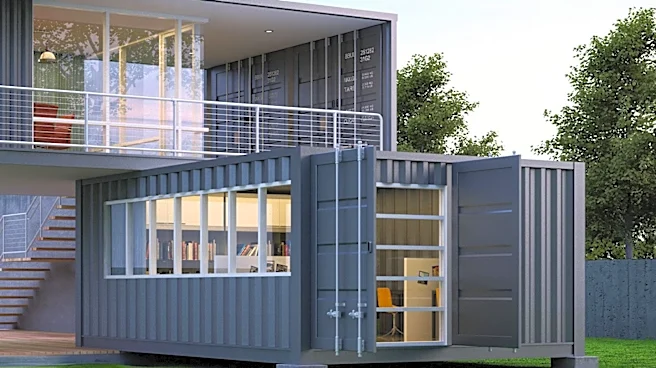
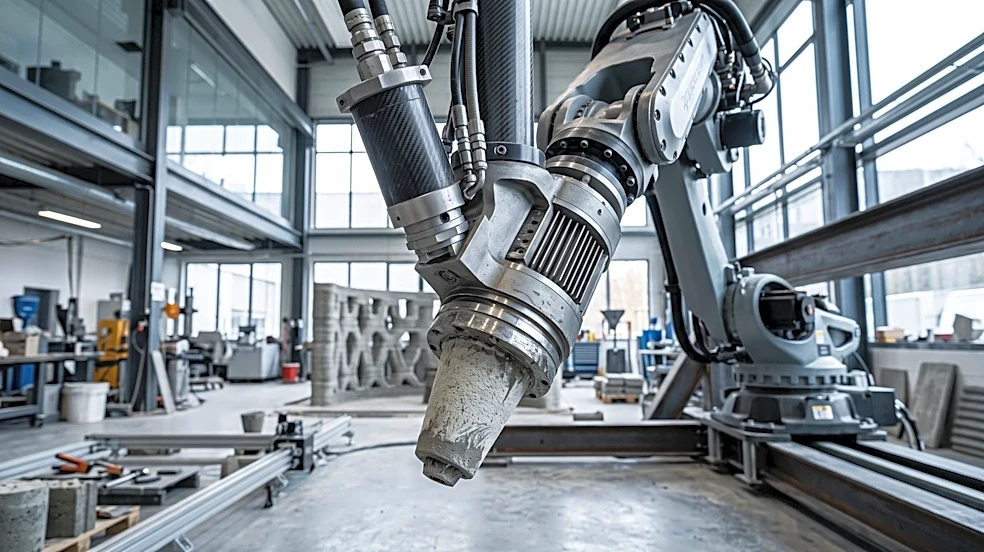
BOXABL is taking factory-built housing to a new level by utilizing modular construction, automation, and innovative housing formats to address a growing supply gap in the United States. This approach signifies a shift in how homes are traditionally built,
moving towards more industrialized processes. The company's efforts are part of a broader trend in the construction industry, where prefabrication and modular construction are gaining traction as ultimate frontiers for industrial evolution in architecture. This method aims to streamline the construction process, potentially offering faster and more efficient housing solutions compared to conventional on-site building techniques.
Why It's Important?
The growing supply gap in the U.S. housing market is a critical issue affecting affordability and accessibility for many Americans. BOXABL's advancements in factory-built housing offer a potential solution by increasing the speed and efficiency of home production. Modular and prefabricated construction can reduce labor costs, minimize waste, and accelerate project timelines, which are significant advantages in addressing housing shortages. This industrialization of home building could lead to more consistent quality, lower construction costs, and a more sustainable approach to housing development. The impact could be felt across various demographics, potentially making homeownership more attainable and alleviating pressure on existing housing stock.
What's Next?
The continued development and adoption of modular and prefabricated construction methods, as exemplified by BOXABL, are expected to grow. This trend will likely see more companies investing in automation and factory-based production for housing. The success of these initiatives could influence building codes and regulations, potentially leading to more standardized processes and materials in residential construction. Furthermore, as these methods become more widespread, there may be increased competition and innovation in the factory-built housing sector, driving further improvements in design, efficiency, and cost-effectiveness. This could fundamentally alter the landscape of residential construction in the U.S.
Beyond the Headlines
The shift towards factory-built housing, championed by companies like BOXABL, carries deeper implications for the U.S. economy and society. It challenges the traditional craft-based model of construction, potentially leading to a more industrialized workforce and new job opportunities in manufacturing and automation. This approach could also contribute to environmental sustainability by reducing on-site waste and optimizing material use. However, it also raises questions about the aesthetic integration of modular homes into existing communities and the long-term durability and perceived value of such properties. The broader acceptance and integration of factory-built housing could redefine what constitutes a 'home' in the American consciousness and influence future urban and suburban development patterns.