




What's Happening?
PepsiCo, a global food and beverage giant, is experiencing weaker sales in its North American beverage and snack businesses. Despite beating analyst forecasts for its 2026 third-quarter earnings, with revenue of $25.2 billion and adjusted earnings per share
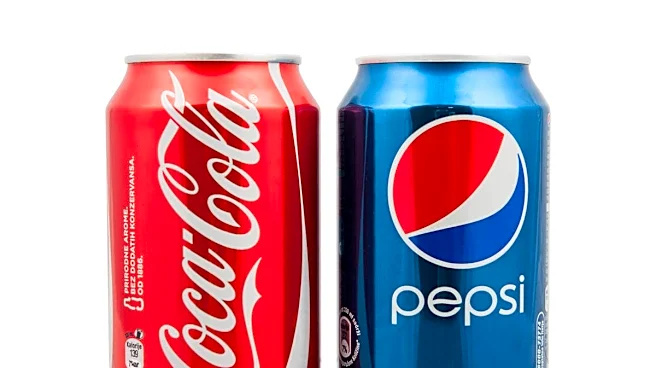
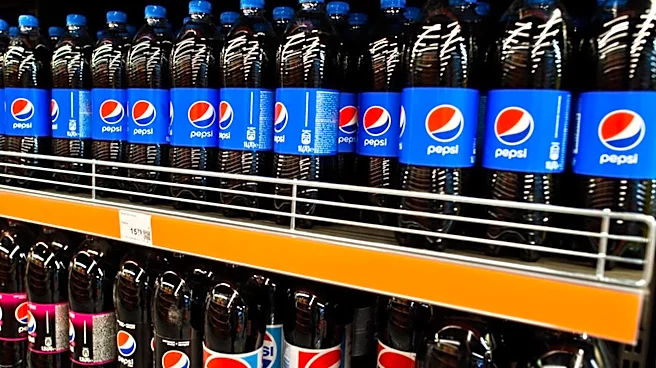
of $2.3, the company faces headwinds. A significant development impacting its beverage segment is KFC's decision to switch from Pepsi to Coca-Cola in its U.S. restaurants, effective 2027. This move highlights the intense competition within the non-alcoholic beverage space, which is largely dominated by PepsiCo and Coca-Cola. While PepsiCo's portfolio is diversified, with 58% of its 2025 revenue from snacks and 42% from beverages, this split focus is currently perceived as a disadvantage compared to Coca-Cola's more concentrated beverage strategy. The company is also grappling with the challenge of balancing price increases to offset rising costs without alienating consumers.
Why It's Important?
The challenges faced by PepsiCo in its North American markets are significant for the U.S. food and beverage industry. The shift by a major fast-food chain like KFC from Pepsi to Coca-Cola underscores the dynamic and competitive nature of the market, potentially signaling a broader trend in consumer and corporate preferences. For PepsiCo, this could lead to a loss of market share and revenue in its beverage division, impacting its overall financial performance. The company's dual focus on snacks and beverages, while historically a strength, is now being scrutinized as its stock price has underperformed compared to Coca-Cola. This situation highlights the constant pressure on large corporations to innovate and adapt to changing consumer tastes and economic conditions, such as inflation and supply chain costs. The outcome of PepsiCo's efforts to address these challenges will have implications for its investors, employees, and the broader U.S. consumer market.
What's Next?
PepsiCo will need to strategize on how to reinvigorate its North American beverage and snack sales. This could involve new product innovations, targeted marketing campaigns, or adjustments to its pricing strategies to maintain competitiveness while managing rising costs. The company will also need to assess the long-term impact of KFC's switch to Coca-Cola and potentially seek new partnerships or strengthen existing ones to offset the loss. Investors will be closely watching PepsiCo's future earnings reports for signs of recovery in its North American segments and for its ability to navigate the competitive landscape. The company's leadership will likely focus on finding the right balance between raising prices and maintaining consumer loyalty, a critical factor in the current economic climate. The ongoing rivalry with Coca-Cola will continue to shape the strategies of both companies in the U.S. market.
Beyond the Headlines
The situation with PepsiCo and KFC's brand switch reflects a deeper trend in corporate partnerships and brand loyalty within the U.S. food service industry. Such decisions are often driven by complex factors beyond just product preference, including distribution networks, marketing agreements, and financial incentives. For consumers, these shifts can subtly alter their dining experiences and brand exposure. From an economic perspective, the performance of major players like PepsiCo and Coca-Cola can serve as an indicator of broader consumer spending habits and economic health. The challenge of balancing price increases with consumer acceptance is a pervasive issue across many industries, highlighting the delicate equilibrium businesses must maintain in an inflationary environment. This scenario also brings to light the strategic advantages and disadvantages of diversified portfolios versus more focused business models in highly competitive markets.