

What's Happening?
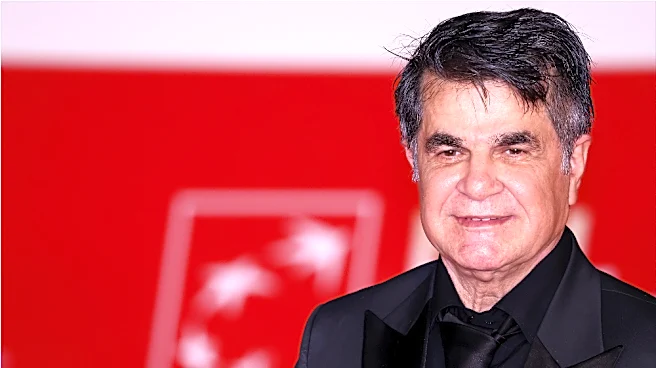
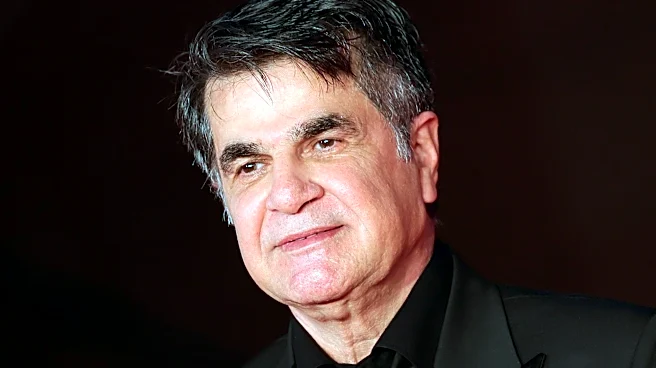
Over 200 international film figures and institutions, including U.S. actors Mark Ruffalo and Tilda Swinton, and filmmaker Michael Moore, have issued a statement defending Iranian director Jafar Panahi. This comes after the Tehran Revolutionary Court reportedly
issued a new sentence of five years and one month against Panahi. The ruling also includes the confiscation of his assets, freezing of his bank accounts, a two-year travel ban, and a two-year social media ban. Panahi's lawyer, Mostafa Nili, learned of the sentence after visiting the Sentence Enforcement Unit of the Culture and Media Prosecutor’s Office. This latest development adds to a history of legal challenges for Panahi, who was previously arrested in 2022 and served seven months in Evin jail, connected to a 2010 sentence. The International Coalition for Filmmakers at Risk, alongside U.S. and European filmmakers, organized the statement, expressing deep concern over the ruling. Panahi had returned to Iran in March 2026, despite risks, after his film 'It Was Just an Accident' received an Academy Award nomination.
Why It's Important?
The international outcry highlights a significant concern within the global arts community regarding freedom of expression and the treatment of artists in certain regions. The involvement of prominent U.S. figures like Mark Ruffalo and Tilda Swinton amplifies the message, drawing broader attention to human rights issues beyond the film industry. This situation could influence diplomatic relations and cultural exchanges between the U.S. and Iran, particularly concerning artistic freedoms. For the U.S. film industry, it underscores the risks faced by international collaborators and the potential for political tensions to impact artistic endeavors. The collective action by filmmakers and institutions demonstrates a unified stance against perceived injustices, potentially setting a precedent for future responses to similar cases globally. It also brings into focus the challenges faced by artists who choose to remain in their home countries despite political pressures, emphasizing the personal sacrifices made for their craft and cultural identity.
What's Next?
The International Coalition for Filmmakers at Risk and its supporters are urging the Tehran Revolutionary Court to rescind all actions against Jafar Panahi. Continued advocacy from international film festivals and human rights organizations is expected. The situation may lead to further diplomatic pressure or cultural boycotts, depending on the Iranian government's response. Panahi's legal team will likely explore all available avenues to appeal or challenge the new sentence. The ongoing public support from global film figures could also influence public opinion and potentially mobilize further actions from civil society groups. The case will continue to be a focal point for discussions on artistic freedom and human rights in Iran and internationally.
Beyond the Headlines
This case transcends a single legal ruling, touching upon fundamental questions of artistic autonomy, censorship, and the role of art in political discourse. The repeated targeting of Panahi, despite his international acclaim, suggests a broader pattern of suppressing dissenting voices within Iran. The involvement of U.S. and European filmmakers also highlights the interconnectedness of the global artistic community and its capacity for collective action in defense of shared values. The confiscation of assets and travel bans are not merely punitive but aim to isolate the artist and stifle their creative output, raising ethical concerns about state control over individual expression. This situation could also prompt a re-evaluation of how international film bodies engage with countries where artistic freedoms are severely restricted, potentially leading to new policies or guidelines for collaboration and support.